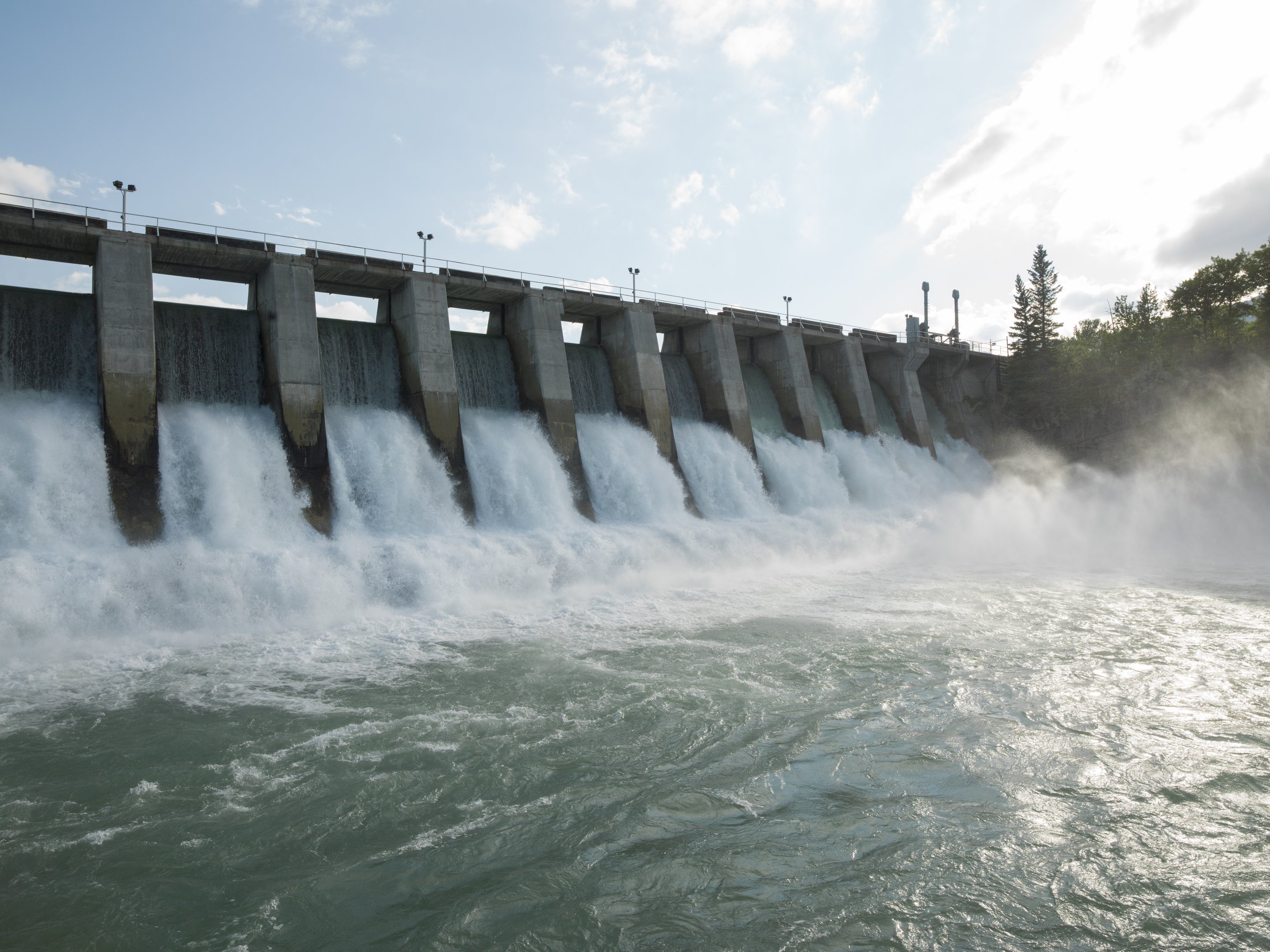
In the modern discourse of the energy transition, solar arrays and offshore wind farms often command the most attention. Yet the bedrock of global renewable electricity remains the hydroelectric dam—a 20th-century marvel that continues to provide the scale and stability that intermittent sources often lack. These massive installations are more than just infrastructure; they are monuments to industrial ambition and geographic fortune.
The global leaderboard for hydroelectric capacity is currently dominated by two nations: China and Brazil. China’s Three Gorges Dam remains the undisputed heavyweight, a structural behemoth that reshaped the Yangtze River. However, Brazil’s reliance on its vast river systems has secured it a prominent position in the top ten. The Itaipu Binacional, shared with Paraguay, long held the crown before Three Gorges was completed and remains a critical pillar of South American energy security.
Beyond Itaipu, Brazil’s presence on the list includes Belo Monte and Tucuruí, reflecting a decades-long strategy to leverage the country’s unique topography. While these projects provide the massive baseload power required for industrialization, they also represent a complicated legacy of environmental and social trade-offs. The sheer scale of these reservoirs often requires the permanent alteration of ecosystems, a fact that has shifted the focus of newer renewable projects toward less invasive technologies.
As the world seeks to decarbonize, the role of these "giants" is evolving. They are increasingly being used as massive batteries—storing potential energy that can be released when the sun isn't shining or the wind isn't blowing. Even as we move toward a decentralized grid, the world’s largest dams remain the steady hand in a fluctuating energy landscape.
With reporting from [Exame Inovação].
Source · Exame Inovação