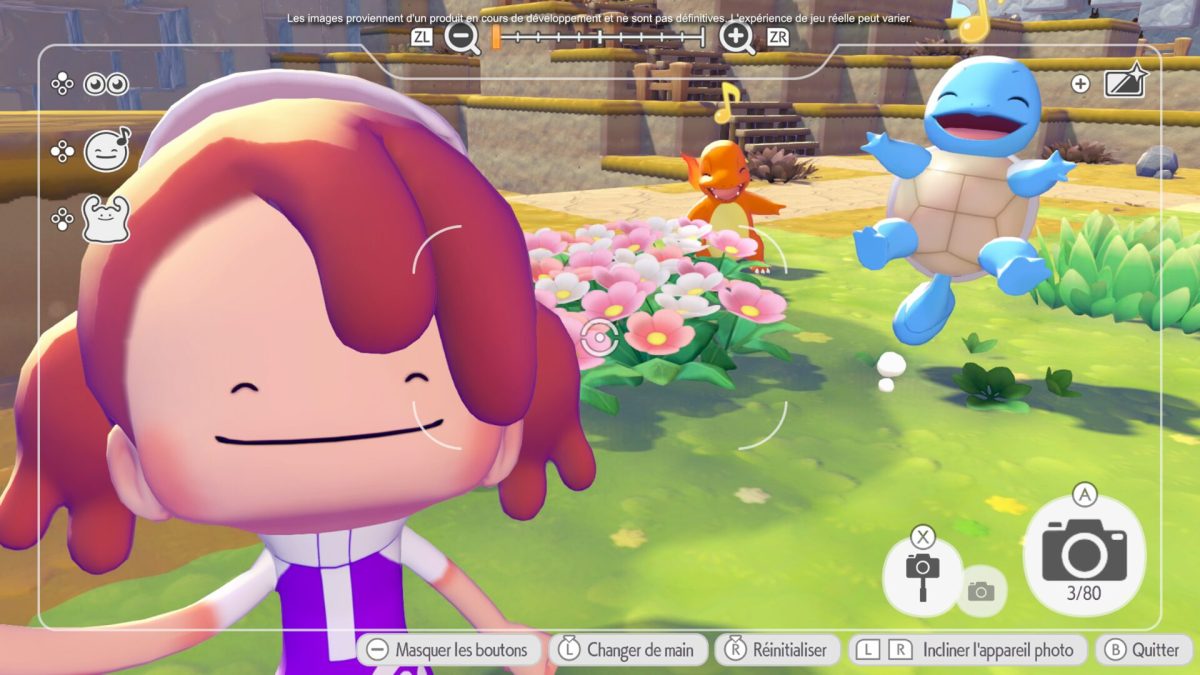
The Nintendo Switch has achieved a rare feat in the consumer electronics cycle: nearly a decade of relevance. Since its debut, the console has moved from a risky hybrid experiment to a foundational piece of digital infrastructure, amassing a library so vast it borders on the overwhelming. As we look toward the landscape of 2026, the arrival of a successor—the "Switch 2"—has not rendered the original catalog obsolete; instead, it has solidified the platform’s status as a persistent ecosystem.
The sheer volume of titles available, ranging from high-budget first-party epics to a relentless stream of independent experiments, presents a modern paradox of choice. For the hardware to remain vital, the software must be navigable. This is where the role of the critic shifts from reviewer to archivist. Identifying the essential experiences across two generations of hardware requires a filter that accounts for both technical evolution and timeless design.
Ultimately, the longevity of the Switch family is not just about the silicon or the modular controllers; it is about the curation of a digital library that survives the transition between hardware cycles. In an industry often obsessed with the next technological leap, the strategy suggests that the most valuable innovation might simply be a deep, well-vetted catalog that follows the user from one device to the next.
With reporting from Numerama.
Source · Numerama