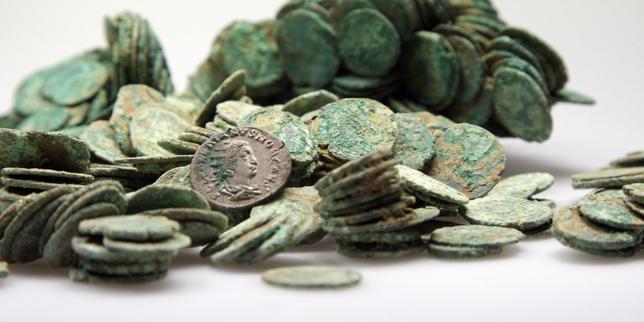
The illicit trade in antiquities is a quiet but persistent drain on the world’s collective memory. When a medieval figurine or an ancient gold coin is spirited away into a private collection or a black-market transaction, the primary loss is not monetary, but contextual. History is stripped of its site and its story. Recent investigations by French customs services, however, have highlighted a successful counter-narrative: the systematic recovery of high-value artifacts that were nearly lost to the shadows of the underground market.
Among the recovered items are five distinct treasures that represent the breadth of the challenge facing cultural preservationists. These include ancient architectural blocks and medieval figurines—objects that, while physically small, carry immense historical weight. Each recovery represents a meticulous forensic effort, tracing the provenance of items that surfaced in "shady networks" or were intercepted at borders before they could disappear into the anonymity of private hands.
The return of these objects to the state is more than a legal victory; it is a scientific one. Once secured, these artifacts are handed over to researchers who can finally perform the analysis that was interrupted by their theft. By studying the composition, craftsmanship, and potential origins of these pieces, historians can piece back together the timelines they were meant to inhabit. In an era where cultural heritage is increasingly vulnerable to global trafficking, these five cases serve as a reminder that the past, though easily stolen, can—with enough persistence—be reclaimed.
With reporting from Le Monde Sciences.
Source · Le Monde Sciences