Modern gaming has transitioned from a hobby into a high-stakes financial commitment. In emerging markets like Brazil, where a single AAA title can consume a quarter of a monthly minimum wage, the decision to purchase a game on "Day One" is no longer a simple ritual of fandom—it is a significant economic choice. This pressure is compounded by an industry trend where the launch date increasingly marks the beginning of a public beta phase rather than the arrival of a finished product.
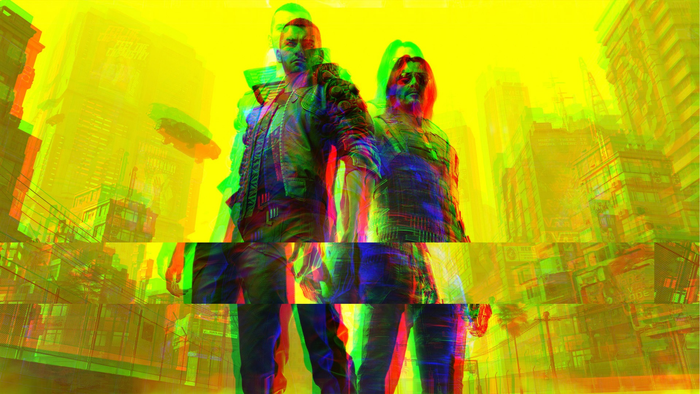
The cautionary tale of *Cyberpunk 2077* remains the industry’s most potent *memento mori*. Despite massive pre-orders and millions of units sold, its disastrous technical state at launch fundamentally altered how consumers perceive the "pre-order" promise. Today’s players must navigate a landscape of unrealistic announcement trailers and iterative patches, weighing the social currency of participating in the cultural moment against the near-certainty that the game will be technically superior, and significantly cheaper, six months later.
Ultimately, the choice to wait is an exercise in rationalizing the "backlog"—the growing library of unplayed games that serves as a buffer against the fear of missing out. As prices soar and technical stability becomes a post-launch goal rather than a prerequisite, patience is becoming the most valuable asset a consumer can possess. In the current ecosystem, the most polished version of a game is rarely the one that arrives on the first day.
With reporting from Canaltech.
Source · Canaltech