The tablet, once a speculative bridge between the smartphone and the laptop, has settled into its role as a primary utility of the modern digital lifestyle. No longer a luxury novelty, these devices now represent a mature category of hardware where the competition is fought through incremental refinements and, increasingly, aggressive pricing strategies.
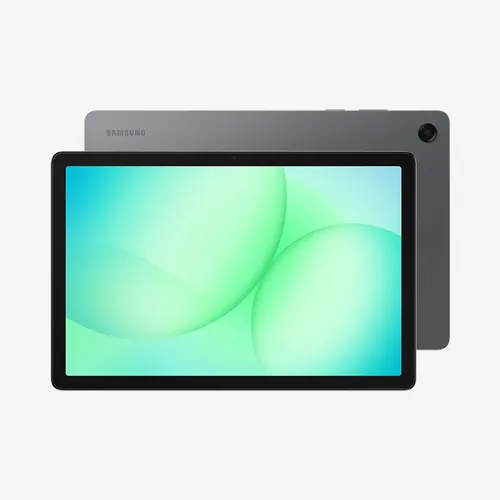
Recent market shifts in the retail landscape have seen significant price reductions on mid-range and entry-level hardware. Discounts reaching as high as 44% on platforms like Mercado Livre suggest a moment of high accessibility for mobile computing. The offerings span the spectrum of the current market, from Samsung’s Galaxy Tab A11+, equipped with 6GB of RAM, to Lenovo’s more modest 10.1-inch alternatives.
Even Apple, a brand typically defined by its price-floor discipline, is seeing movement. The iPad remains the benchmark for the ecosystem’s pull, yet its inclusion in these broader retail cycles highlights a push to bring more users into the fold of the Apple Pencil and specialized keyboard peripherals.
As hardware cycles lengthen and the performance of "good enough" tablets meets the needs of most students and professionals, the focus has shifted from the cutting edge to the cost-per-utility. For the consumer, this saturation translates into a rare window where the barrier to entry for high-quality mobile productivity is notably lower than in years past.
With reporting from Olhar Digital.
Source · Olhar Digital