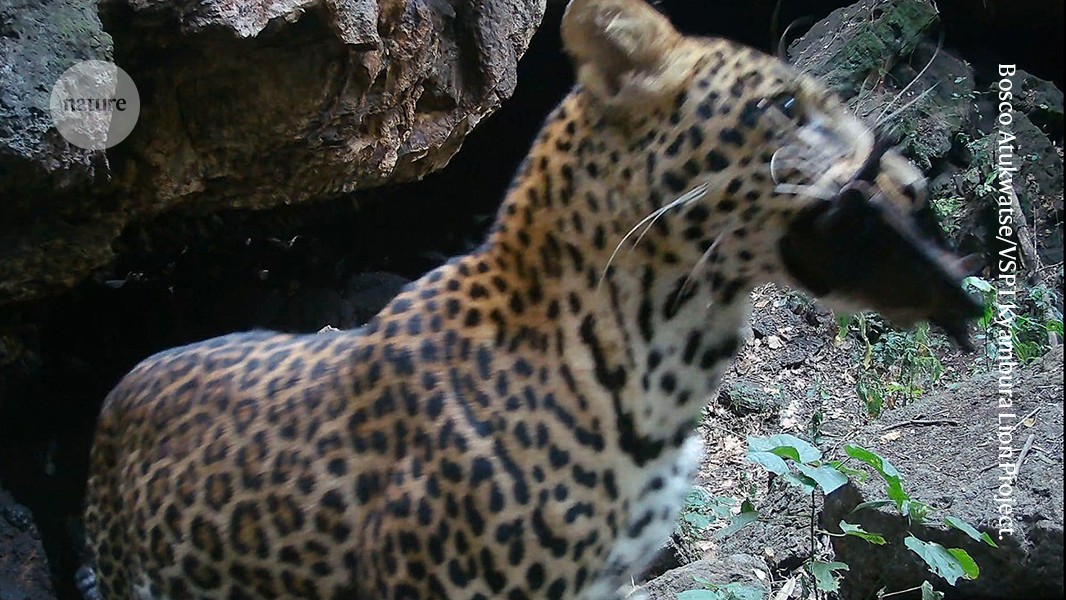
In the shadows of an African cave known to harbor the Marburg virus, the process of zoonotic spillover is less a single event and more a slow, multi-species choreography. Recent camera-trap footage has revealed that the boundary between infected bat populations and the wider world is more porous than previously understood. Researchers documented ten different animal species scavenging or hunting bats at the site, creating a biological bridge for one of the world’s most lethal pathogens.
The study captures a "bat feast" that includes a variety of local fauna—from mongooses to domestic cats—engaging with carcasses that may still carry viral loads. This ecological network provides a roadmap for how a virus might migrate from a secluded cave into the domestic sphere. By identifying the specific scavengers involved, scientists can better predict the intermediate steps that lead a virus from a reservoir host to a human carrier.
Perhaps most striking was the human presence recorded at the site. The cameras caught hundreds of people visiting the cave, highlighting the frequent, often casual, contact between local populations and high-risk environments. This intersection of wildlife predation and human movement underscores the systemic nature of pandemic risk: it is not merely a matter of chance, but a consequence of how our shared environments are navigated.
With reporting from Nature News.
Source · Nature News