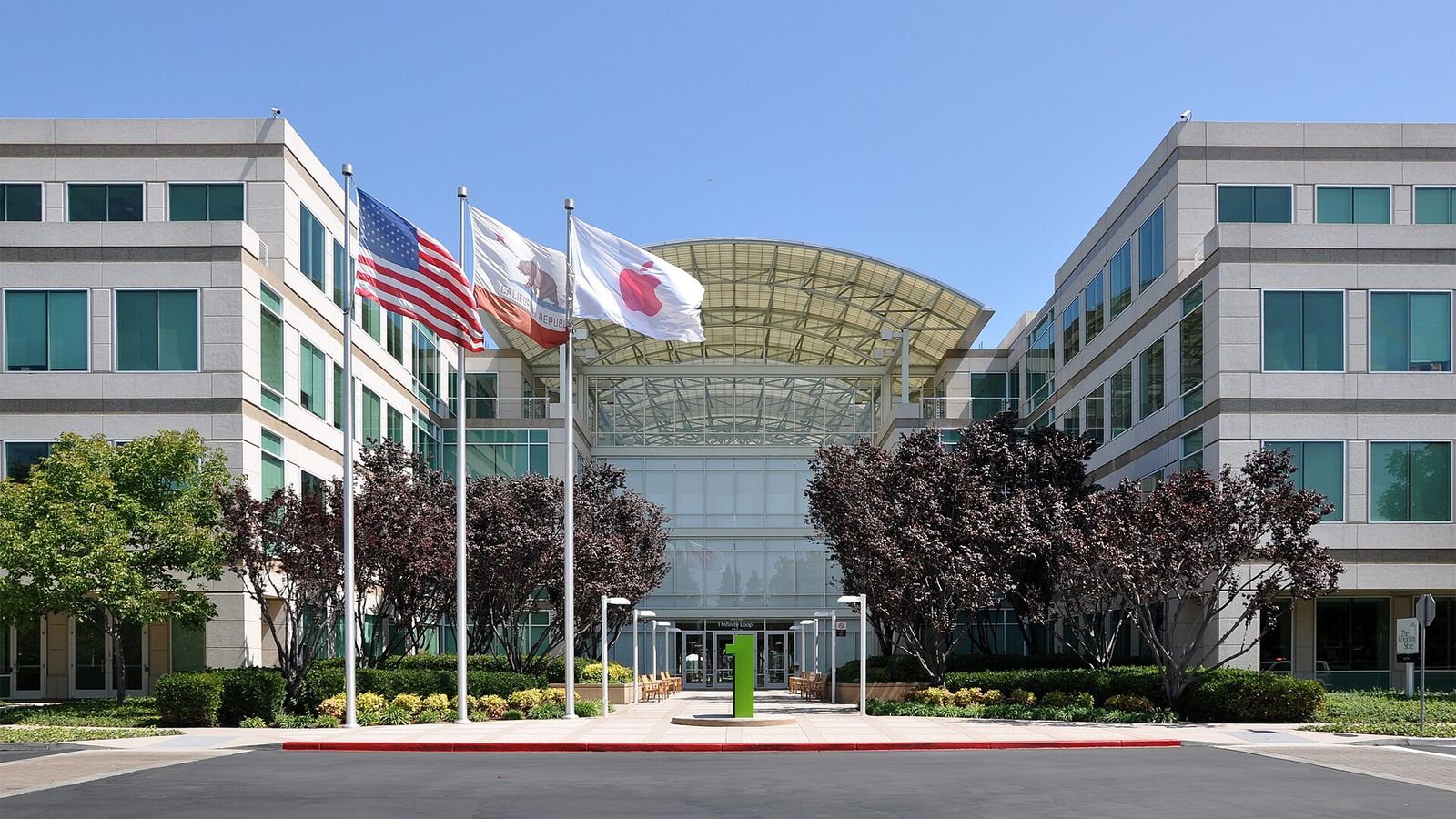
Apple's archives are not a museum — they are a management argument made physical. Tim Cook's decision to open them to the Wall Street Journal for the company's 50th anniversary, on April 1, 2026, was not nostalgia. It was a controlled act of institutional storytelling, designed to frame half a century of product decisions as a coherent philosophy rather than a sequence of bets. What gets shown, and what gets said around it, tells you more than the objects themselves.
The Objects as Argument
The original iPod prototype and early iPhone hardware are not rare in the sense of being lost — Apple has always been deliberate about preserving physical evidence of its design process. What is rare is Cook deploying them publicly, in front of cameras, as rhetorical props. The iPod, introduced in October 2001, represented a supply chain bet as much as a design one: Tony Fadell's team had roughly ten months to ship a device that required renegotiating relationships with hard drive manufacturers, battery suppliers, and music labels simultaneously. Cook, who joined Apple in 1998 specifically to fix procurement, knows this history better than anyone. His presence next to the prototype is not incidental — he is the supply chain made executive.
The iPhone section of the conversation is similarly loaded. Selling billions of units is the headline, but the more interesting editorial fact is that Cook frames the iPhone's success in terms of decisions made under Steve Jobs, not decisions made under his own tenure. This is a consistent pattern in Cook's public communications: he accepts operational credit while attributing visionary credit upstream. It is a durable political posture, and it has served him well for fifteen years as CEO.
Failure, the Watch, and the Unnamed Next Thing
Cook's identification of Apple's "most important failure" — a segment the WSJ chapter list places between iPhone and Apple Watch — is the most substantive editorial moment in the piece. Cook has historically been reluctant to name failures with specificity. Jobs-era misfires like the Newton or the G4 Cube are safe to discuss; they are archaeology. Failures that occurred on Cook's watch — Maps in 2012, the AirPower charging mat canceled in 2019, the sustained struggle to establish Apple as a services company with genuine lock-in — are harder to surface without implicating current strategy.
The Apple Watch segment is revealing for different reasons. Introduced in April 2015, the Watch took three product generations to find its identity as a health device rather than a fashion accessory or iPhone companion. Cook describes a Jobs-era "man-on-the-moon" project in this context, language that suggests Jobs had articulated an ambitious health-monitoring vision before his death in 2011. If accurate, it reframes the Watch not as a Cook initiative but as inherited ambition — which is either generous attribution or a way of insulating the product's slow start from Cook's leadership record, depending on your reading.
The question of Apple's next hit product goes unanswered, which is itself an answer. Vision Pro, Apple's spatial computing headset released in February 2024 at $3,499, is conspicuously absent from the chapter list. For a conversation structured around Apple's greatest successes, that omission is pointed.
At 50, Apple is an institution narrating itself. The unresolved question is whether the archive visit marks the end of one era's mythology or the opening argument of the next one.
Source · The Frontier Design Videos