For decades, the high-end kitchen has operated as a showcase of visible machinery — an exhibition of stainless steel, digital interfaces, and overt technical power. At Milan Design Week 2026, Swiss manufacturer V-ZUG is proposing a quiet inversion of that logic. Its installation, Table Rituals, staged at V-ZUG Studio Milano, suggests that the future of the domestic environment lies not in the hardware itself but in the human rituals it enables.
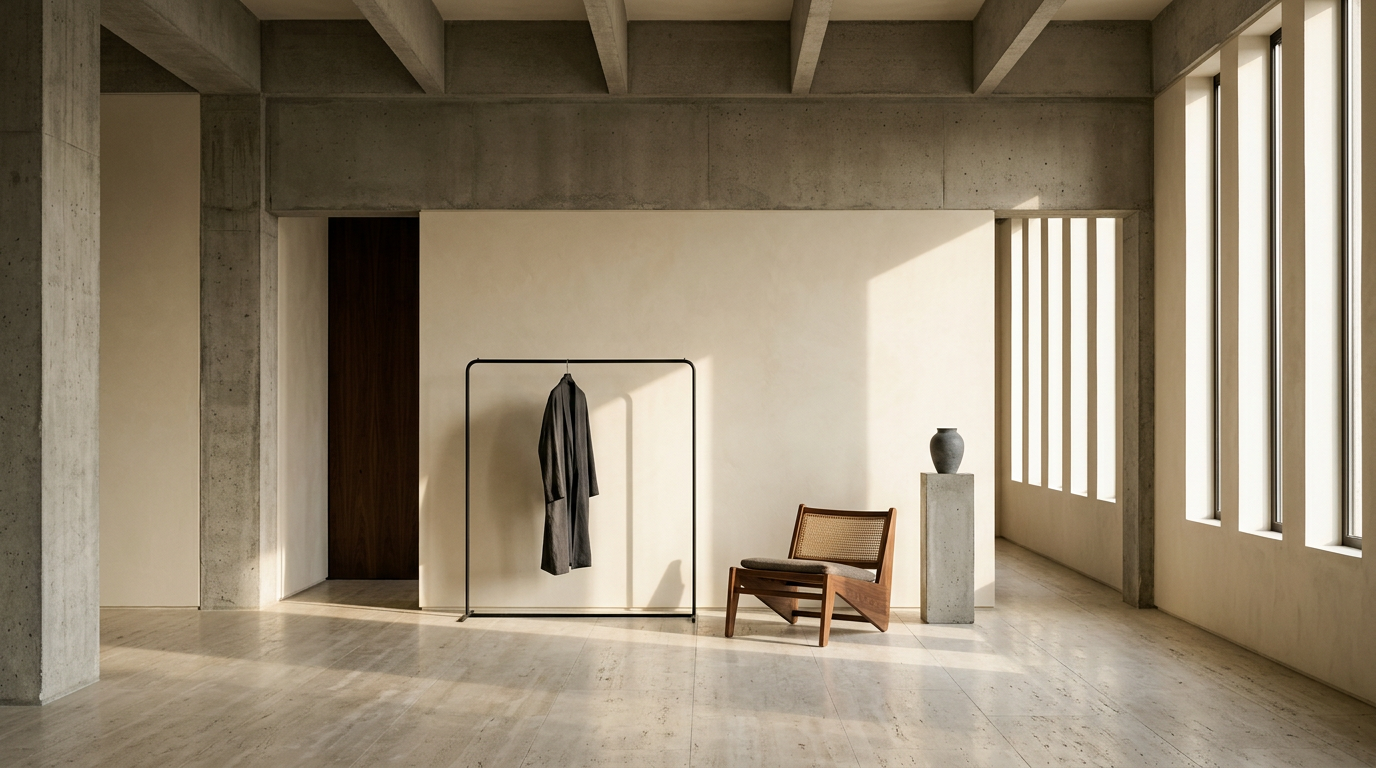
Conceived by architect and designer Elisa Ossino, the project treats the home as a stage for what the installation frames as "unfolding gestures." Rather than foregrounding specifications or precision engineering, the design aims to render technology essentially invisible — a silent infrastructure that recedes so the occupant can step forward. The concept is completed by a live performance titled Mise en Geste, staged by Teatro delle Moire, which translates everyday domestic actions into choreographed expression.
The appliance as backdrop
V-ZUG occupies a particular niche in the European appliance market. Based in Zug, Switzerland, the company has built its reputation on engineering discipline and material restraint — qualities often associated with Swiss industrial culture more broadly. Its products tend to emphasize durability and precision over spectacle. Table Rituals extends that disposition into a design philosophy: the appliance should not demand attention; it should create the conditions for attention to be directed elsewhere.
This is not an entirely new idea in the design world, but its articulation at Milan Design Week carries specific weight. The annual event in the Lombard capital remains the global stage where manufacturers, architects, and designers negotiate the boundary between product and culture. In recent cycles, a visible thread has emerged among premium brands: the shift from demonstrating what technology can do to exploring what technology should feel like. Kitchens, bathrooms, and living spaces are increasingly presented not as collections of objects but as environments shaped around behavior.
Ossino's approach fits squarely within this trajectory. Her body of work has consistently explored the relationship between architecture, objects, and the rituals that animate them. By collaborating with a manufacturer rather than a gallery or cultural institution, the project raises a question that recurs across the design industry: whether a brand-funded installation can function as genuine cultural inquiry or whether it remains, ultimately, a sophisticated form of marketing. The tension is productive rather than disqualifying — most significant design discourse now happens in precisely this hybrid space.
Ritual as design medium
The inclusion of Teatro delle Moire — a Milan-based performance group known for work that blurs theater, dance, and visual art — signals that Table Rituals is less interested in the kitchen as a functional category than in domesticity as a performative one. The performance Mise en Geste reframes cooking, setting a table, and sharing a meal as choreography. The implication is that design's highest ambition is not efficiency but presence: the quality of awareness a person brings to an ordinary act.
This framing has philosophical antecedents. The Japanese concept of kata — formalized patterns of movement in martial arts, tea ceremony, and daily life — treats repetitive action as a vehicle for mindfulness. Scandinavian design traditions have long pursued a similar goal through material simplicity. What V-ZUG and Ossino add is a specifically theatrical vocabulary: the home as stage, the occupant as performer, the appliance as invisible stagehand.
Whether this vision translates beyond the curated conditions of a design week installation remains an open question. The gap between a poetic concept and a purchasable kitchen is real, and manufacturers that lean into experiential storytelling must eventually reconcile the narrative with the product catalog. Yet the direction is notable. If the previous era of kitchen design asked how much technology could be packed into a domestic space, Table Rituals asks how much of it can be made to disappear — and what emerges in the space that remains.
With reporting from Designboom.
Source · Designboom