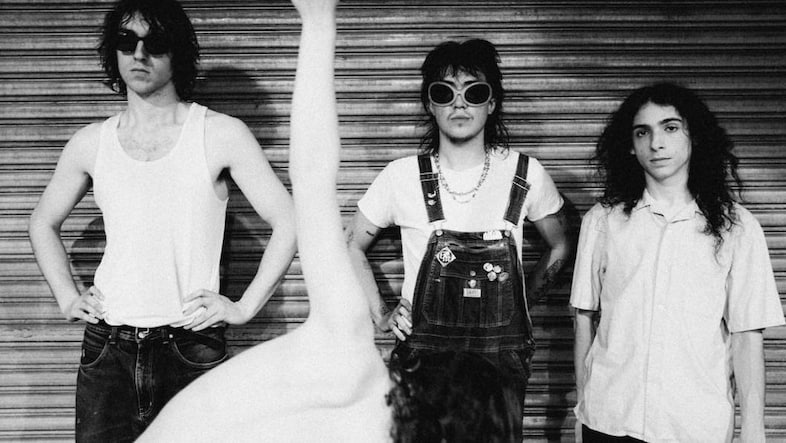
The Brooklyn-based rock band Geese, once hailed as the next standard-bearers of indie-rock authenticity, has recently found itself at the center of a modern cultural anxiety. The group is under fire not for their music, but for the mechanics of their rise — specifically, the alleged use of artificial fan pages and algorithmic manipulation to simulate a grassroots swell of support. To critics, this is not just marketing; it is a "psy-op" designed to trick the listener into believing they have discovered something rare and unmanufactured.
The accusation lands with particular force because Geese emerged from a milieu — Brooklyn guitar rock, lo-fi aesthetics, a studied indifference to commercial polish — that trades on the perception of organic discovery. The band's early reception positioned them as inheritors of a lineage running through Television, the Strokes, and Parquet Courts. That narrative now faces a credibility problem. If the enthusiasm surrounding them was, even in part, manufactured by coordinated digital campaigns, the story of scrappy authenticity begins to look like set dressing.
The infrastructure of synthetic discovery
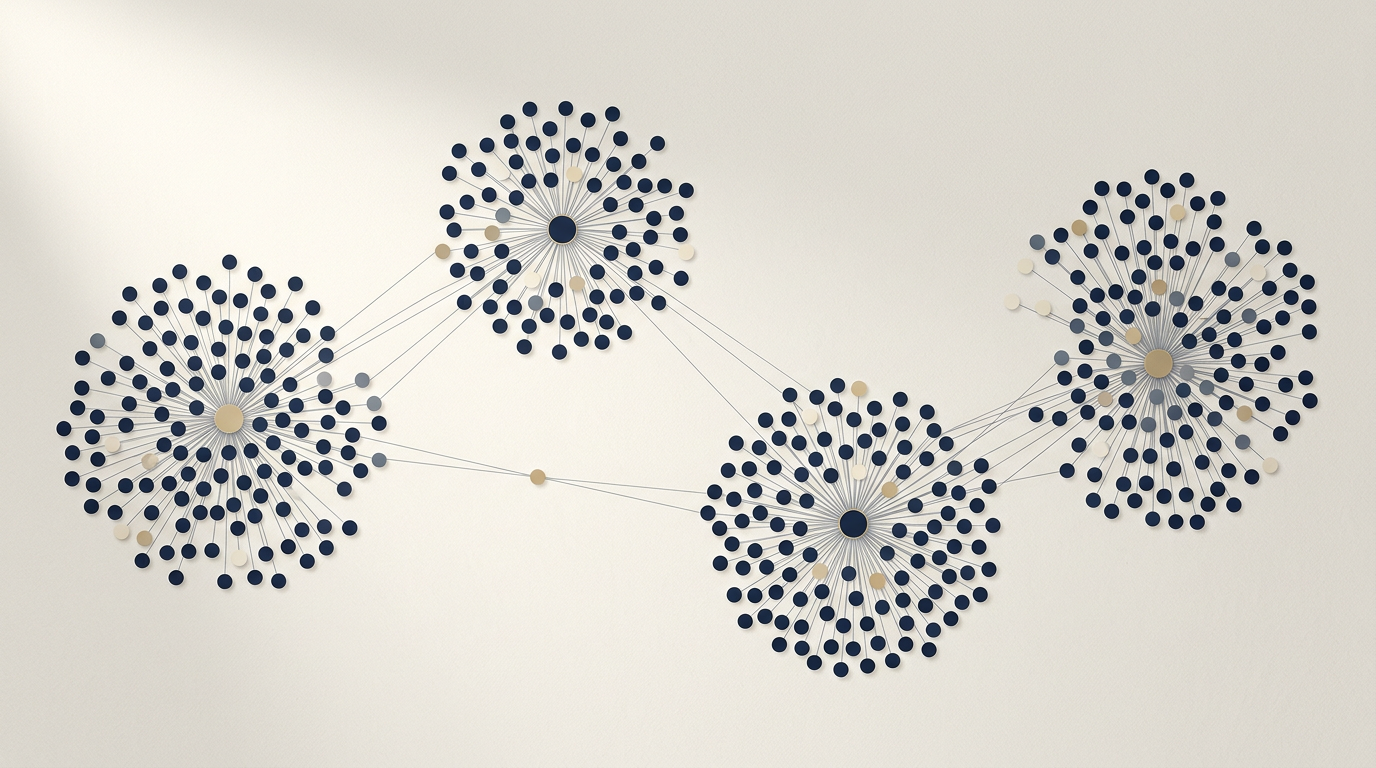
The strategy attributed to Geese's camp — seeding the internet with curated enthusiasm through fake or semi-authentic fan accounts — is not new, but its sophistication has grown alongside the platforms it exploits. Spotify's recommendation engine, TikTok's For You page, and YouTube's autoplay function all rely on engagement signals to surface content. Likes, shares, playlist additions, and comment activity feed these systems. When those signals are artificially generated, the platforms can mistake manufactured interest for genuine momentum, creating a feedback loop that compounds itself.
This is a digital mimicry of the word-of-mouth that once defined underground scenes, but with a critical difference: the old version required actual people in actual rooms responding to actual sound. The new version requires only the appearance of that response. Labels and marketing firms have long understood this dynamic. Playlist placement on major streaming platforms has become one of the most valuable currencies in music promotion, and the incentive to game the inputs that drive algorithmic placement is substantial. The Geese controversy is less an aberration than a visible instance of a widespread practice — one that most of the industry prefers to leave unexamined.
The parallel to earlier eras of payola is instructive. In the 1950s and 1960s, record labels paid radio DJs to play certain tracks, manufacturing the impression of popular demand. Regulatory intervention eventually curtailed the practice, at least in its most overt forms. Today's algorithmic gatekeepers occupy a similar structural position to those radio stations, but the mechanisms of influence are more diffuse, harder to trace, and largely unregulated.
When authenticity becomes a market position
The backlash against Geese suggests a lingering desire for the "authentic," even as the infrastructure of the internet makes such a thing increasingly difficult to verify. Indie rock, as a genre and a cultural posture, has always depended on a perceived distance from commercial machinery. That distance was never absolute — independent labels have always marketed their artists — but the illusion of it mattered. It gave listeners a sense of agency: the feeling that their taste was self-directed rather than fed to them.
If every "organic" trend is the result of a coordinated campaign, the distinction between a fan and a consumer begins to dissolve. The listener who believes they stumbled upon a band through a friend's Instagram story may, in fact, be responding to a placement strategy indistinguishable from advertising. In this landscape, the music itself becomes secondary to the performance of its popularity.
The deeper tension is structural rather than moral. Artists operating without label support face an algorithmic environment that rewards volume, consistency, and engagement metrics — none of which correlate reliably with artistic quality. Those with institutional backing can purchase visibility in ways that independent musicians cannot. The result is a system that claims to democratize access while quietly reinforcing the advantages of capital.
Whether Geese's music merits the attention it has received is, in a sense, beside the point. The controversy exposes a question the streaming economy has deferred but not resolved: if the mechanisms of discovery are themselves for sale, does the underground still exist as a meaningful category, or has it simply been replaced by a convincing facade — one whose architects prefer to remain out of frame?
With reporting from Dazed.
Source · Dazed