Anthropic's latest AI model, Mythos, has become a flashpoint in the ongoing debate over the pace of artificial intelligence development and the capacity of existing governance frameworks to manage it. According to Bloomberg reporting, the model has sparked alarm amid concerns that AI may be advancing faster than it can be safely deployed.
The reaction to Mythos arrives at a commercially consequential moment for Anthropic, which is reportedly seeing potential valuations approaching $800 billion. That juxtaposition — a model generating safety fears while simultaneously inflating its creator's market worth — crystallizes a tension that has defined the frontier AI industry for the past several years. The question is no longer whether advanced AI models will arrive, but whether the institutions tasked with governing them can operate at anything close to the same velocity.
The Governance Gap Widens
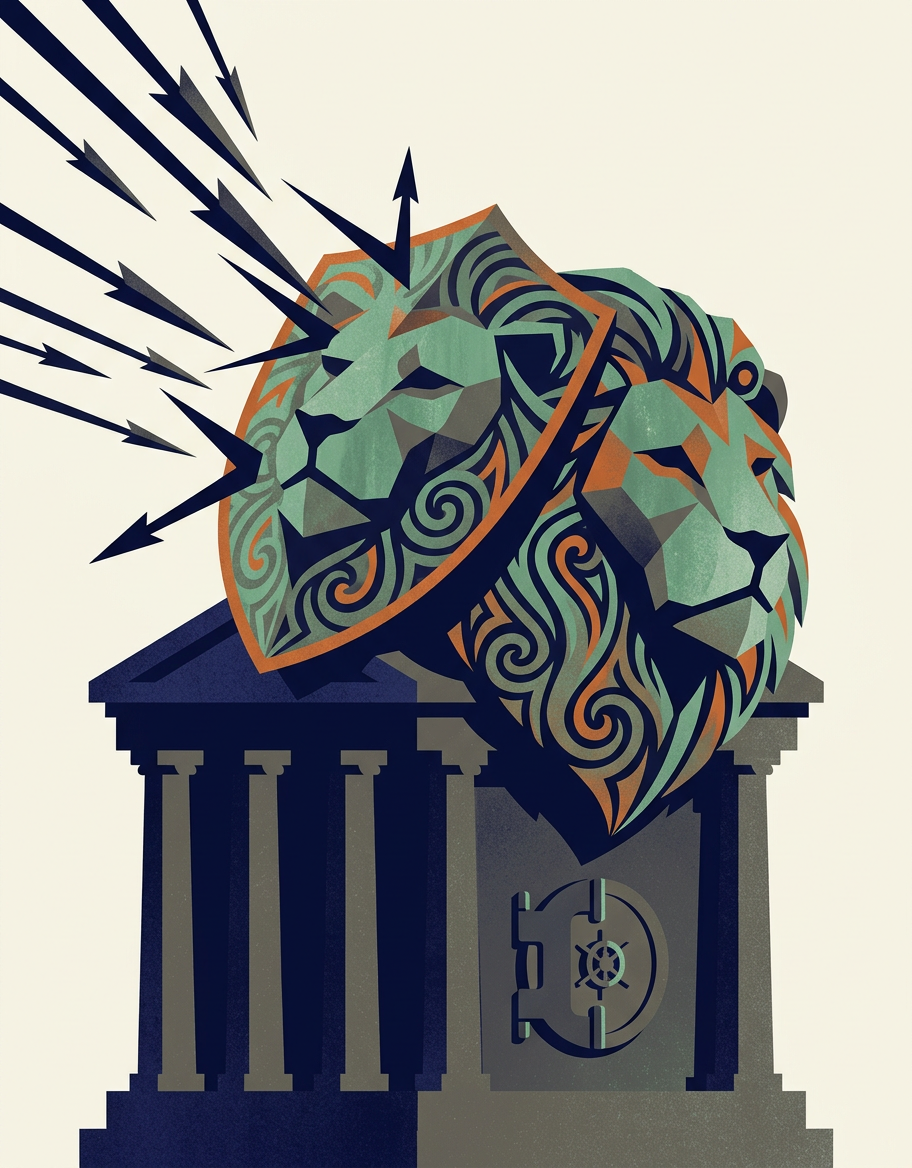
Anthropic has long positioned itself as the safety-first alternative among frontier AI labs, a reputation built on its founding narrative of researchers who left OpenAI over disagreements about risk management. Yet the alarm surrounding Mythos suggests that even the lab most publicly committed to responsible development is producing capabilities that outstrip the readiness of regulators, corporate safety teams, and the broader public. This is not a contradiction unique to Anthropic — it is structural to the competitive dynamics of the industry.
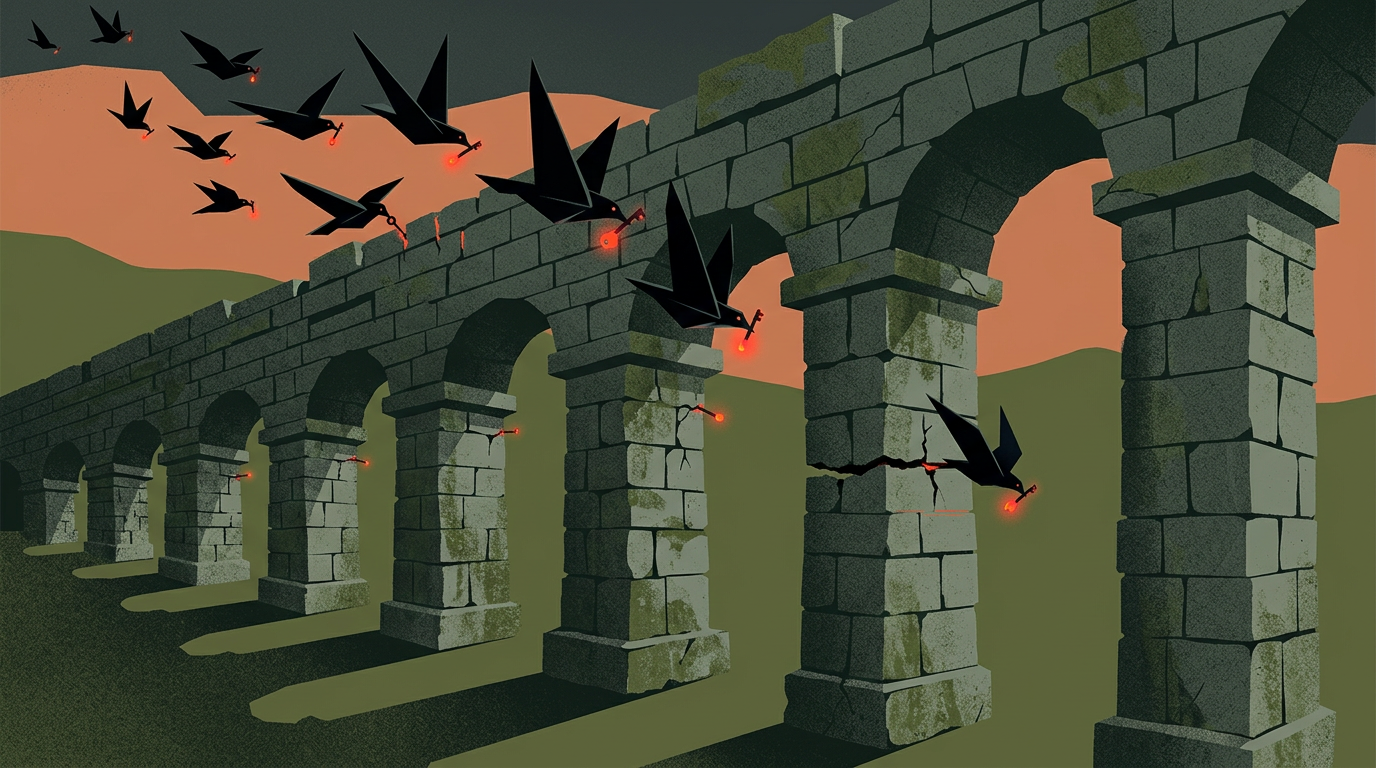
The fundamental challenge is temporal. AI capabilities advance on the timescale of training runs and compute scaling — measured in months. Governance frameworks, whether legislative, institutional, or internal to companies, operate on timescales measured in years. The gap between these two clocks has been widening with each successive generation of frontier models. Mythos appears to have made that gap newly visible, prompting the kind of public reaction that forces the conversation beyond technical circles and into mainstream discourse.
When Fear and Valuation Move Together
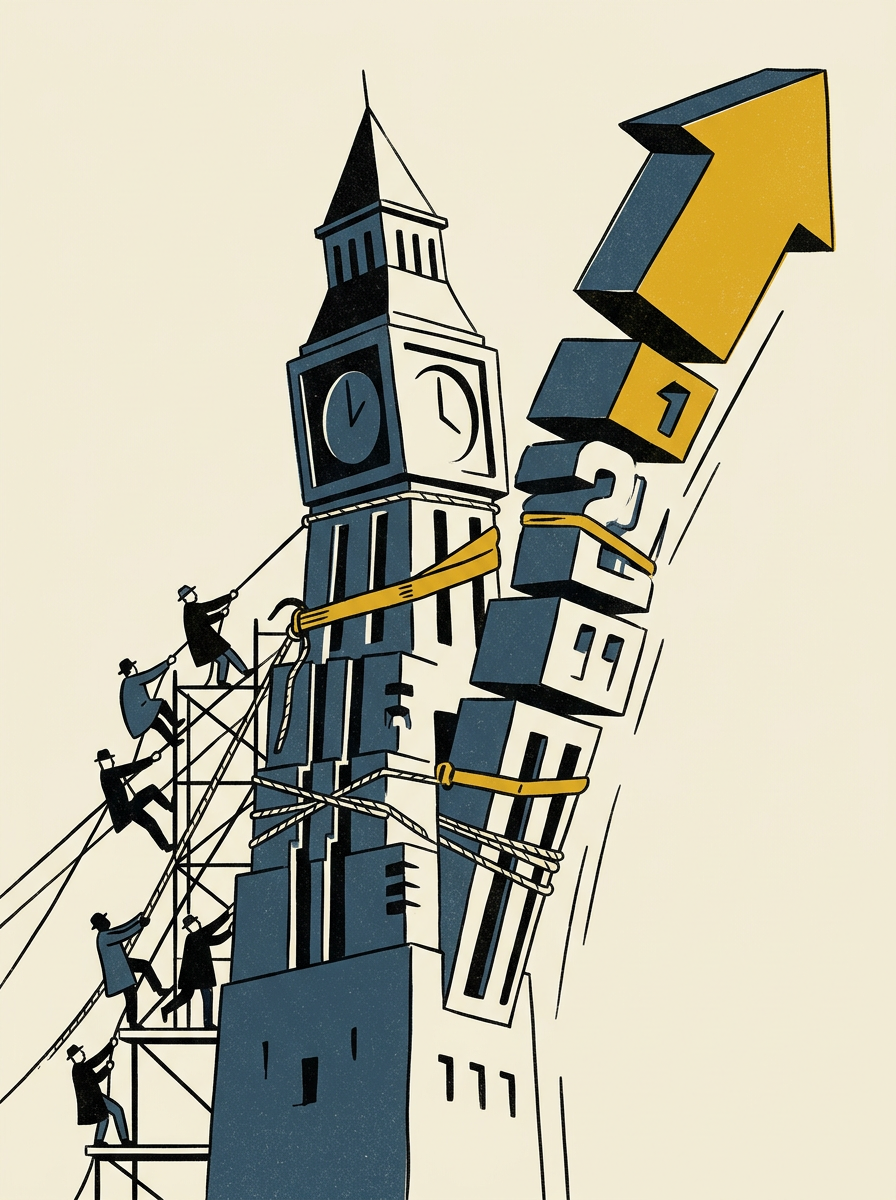
The commercial dimension of the Mythos moment deserves scrutiny. An $800 billion potential valuation would place Anthropic among the most valuable private companies in history, a trajectory fueled in part by the very capabilities that are generating concern. This creates a feedback loop that is difficult to resolve through market mechanisms alone: the more powerful a model appears, the more alarm it generates — but also the more commercial interest it attracts.
This dynamic is not lost on Anthropic's competitors or on policymakers. If the furor around Mythos ultimately reinforces Anthropic's brand as the company building the most capable models while simultaneously claiming the safety mantle, it may accelerate a pattern already visible in the sector — where safety rhetoric and capability races coexist without obvious friction. The risk is that safety becomes a differentiator in investor presentations rather than a binding constraint on development timelines. For regulators in the United States, the European Union, and elsewhere, the Mythos episode may serve as a stress test for whether existing or proposed AI governance frameworks can respond to capability jumps in anything approaching real time.
The broader AI industry now faces a familiar but intensifying dilemma. Each new frontier model raises the stakes of the governance question without providing additional time to answer it. Anthropic's dual position — as both the source of alarm and a potential beneficiary of it — mirrors a pattern that extends well beyond any single company or model. As valuations climb and capabilities expand, the question of whether safety governance can function as more than a trailing indicator remains unresolved, and Mythos has made it harder to ignore.
With reporting from Bloomberg — Technology
Source · Bloomberg — Technology