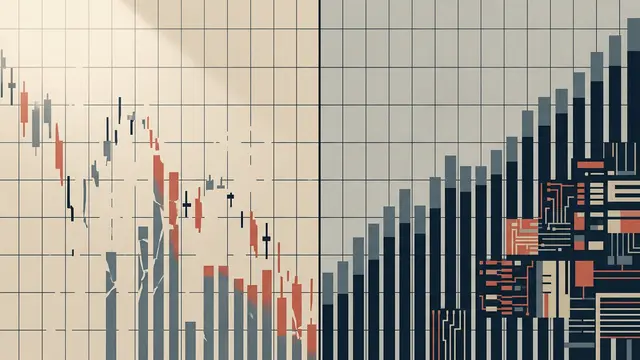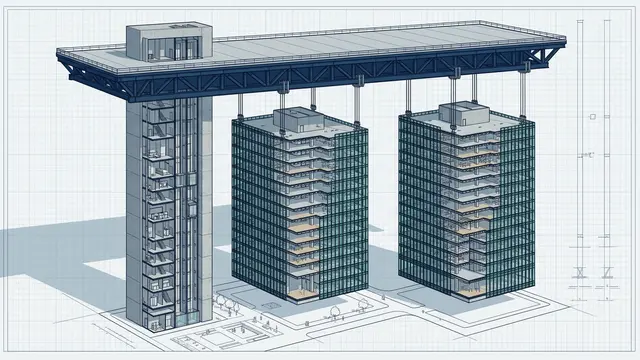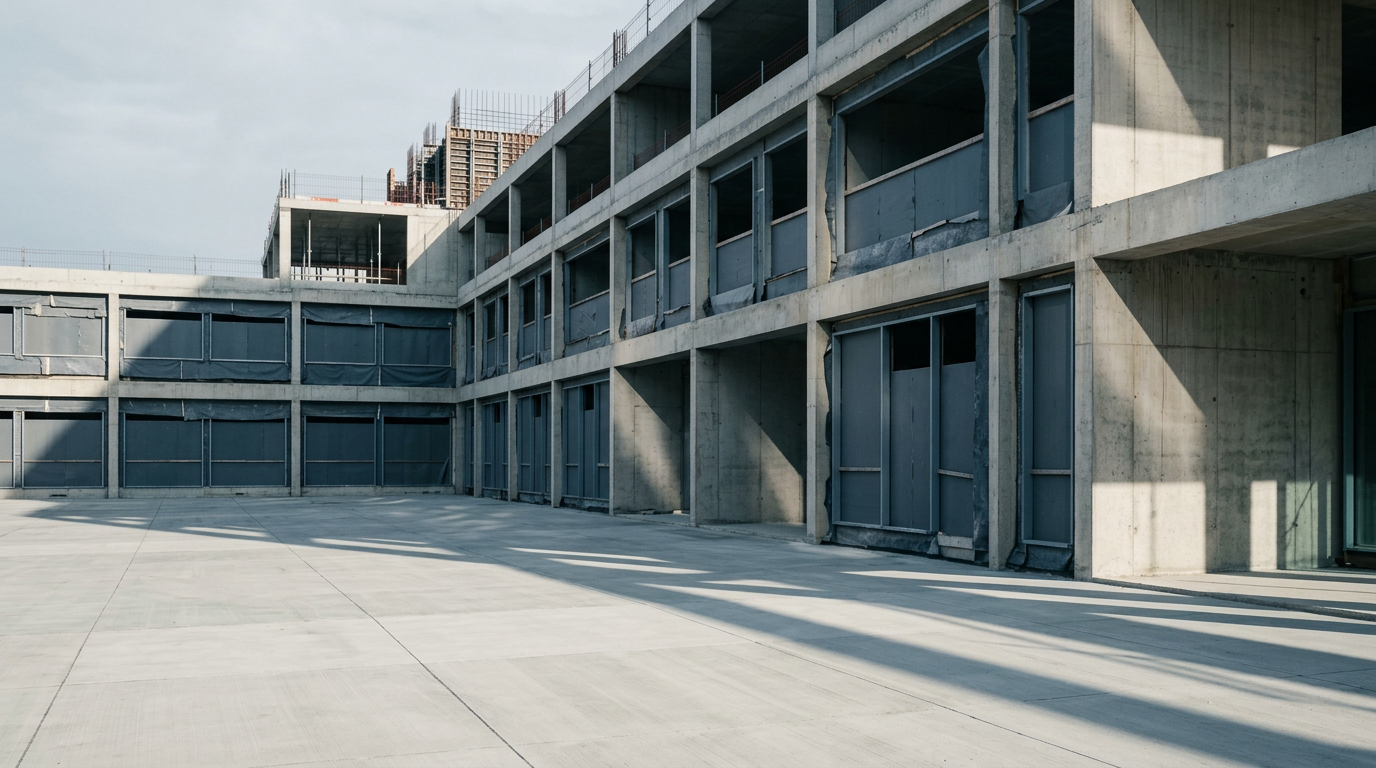
The recent gathering of property professionals at the MIPIM conference in Cannes served as a sobering barometer for the health of the United Kingdom’s architectural and development sectors. While discussions regarding the sluggish nature of the British economy have become a predictable fixture at such international forums, the prevailing sentiment this year shifted from cyclical frustration to a deeper, more structural concern. According to reporting from The Architects’ Journal, the anecdotal evidence suggests that the combination of domestic economic stagnation and broader global instability is creating a persistent drag on project pipelines, leaving firms grappling with an environment where capital deployment has slowed significantly.
This phenomenon is not merely a reflection of temporary market hesitation but points to a more fundamental realignment of risk appetite among developers and institutional investors. As the UK built environment faces a convergence of high borrowing costs, regulatory uncertainty, and shifting geopolitical priorities, the architectural profession finds itself at the sharp end of a capital-intensive industry that is increasingly risk-averse. The thesis emerging from these developments is that the current malaise is not just a passing phase of the business cycle, but a structural challenge that threatens to reshape the landscape of professional practice in the UK for the foreseeable future.
The Anatomy of Project Stagnation
At the core of the current architectural downturn is a breakdown in the traditional mechanisms of project financing. Architectural practice is uniquely sensitive to the flow of credit; when institutional investors and private equity firms tighten their purse strings, the first projects to be paused are often those in the design or planning stages. This creates a cascading effect, where the loss of momentum at the inception phase leads to a long-term deficit in construction activity. The historical context of the UK property market suggests that while architecture has weathered previous recessions, the current environment is complicated by the rapid repricing of assets and the sudden shift in interest rate expectations.
Furthermore, the reliance of the UK sector on international capital flows makes it disproportionately susceptible to global instability. When geopolitical tensions rise, investors typically retreat to safer havens, often withdrawing from speculative development projects in secondary or even primary UK markets. This retreat is felt acutely by architectural practices that have geared their operations toward large-scale urban regeneration and commercial development. The resulting stagnation is not just a matter of reduced fees; it represents a loss of intellectual capital and a disruption to the long-term planning required for sustainable urban growth. The challenge for firms is to maintain operational viability when the fundamental drivers of their business—certainty and long-term investment—are in short supply.
The Mechanism of Risk Aversion
To understand why projects are stalling, one must look at the incentive structures driving developers and their lenders. In a high-interest-rate environment, the hurdle rate for new projects rises significantly, effectively pricing out developments that were previously considered viable. This is not simply a matter of construction costs, though inflation in materials and labor remains a significant factor; it is a calculation of net present value that no longer justifies the risk of long-term development. Architects are caught in the middle of this calculation, often tasked with value engineering projects that are already on the brink of cancellation, which in turn diminishes the quality and ambition of the built environment.
Moreover, the regulatory environment in the UK adds a layer of friction that exacerbates these economic pressures. Planning delays and the evolving requirements for sustainability and safety standards mean that projects have longer lead times, increasing the window of exposure to macroeconomic volatility. When an architect presents a design, they are essentially presenting a vision for a future market; if that market is clouded by uncertainty, the willingness of the client to commit to construction diminishes. This feedback loop creates a 'wait and see' culture that is corrosive to the creative and technical output of the industry. The mechanism at play is a classic deleveraging event, where the desire to preserve liquidity overrides the impulse for growth and innovation.
Implications for the Professional Ecosystem
For the architectural profession, the implications of this sustained stagnation are profound and multifaceted. Small and medium-sized practices, which lack the deep capital reserves of their larger, international counterparts, are particularly vulnerable to the drying up of project pipelines. This risk of consolidation within the industry could lead to a narrowing of design perspectives and a reduction in the diversity of architectural solutions available to the market. Furthermore, the reliance on a few large-scale clients who remain active during downturns may skew the market toward safer, more homogenized design approaches, potentially stifling the avant-garde thinking that has historically defined British architecture.
Regulators and policymakers are also implicated in this dynamic. The inability to unlock stalled projects has a direct impact on housing targets, urban regeneration goals, and the broader economic recovery. If the architectural sector cannot function effectively, the secondary effects on the construction supply chain, engineering consultancies, and local economies are substantial. The tension between the need for fiscal discipline and the necessity of maintaining a robust development pipeline remains a critical policy challenge. As the industry navigates this period, the pressure to demonstrate value beyond the traditional fee-for-service model will likely intensify, forcing firms to diversify their service offerings or risk obsolescence in an increasingly lean market.
Outlook and Lingering Uncertainties
What remains uncertain is the duration of this period of instability and whether the current stagnation will lead to a permanent shift in how architectural projects are financed and delivered. The industry is currently in a state of flux, waiting for the macroeconomic signals to stabilize sufficiently to allow for a resumption of risk-taking. Whether this involves a return to pre-crisis levels of development or a new equilibrium characterized by smaller, more incremental projects remains to be seen. The role of digital technology and modular construction in potentially lowering the barriers to entry and reducing project risk is another area that warrants close monitoring.
As the architectural sector continues to grapple with these headwinds, the question of long-term resilience remains open. Firms that can adapt their business models to better align with the risk profiles of their clients, while maintaining design integrity, will likely be the ones that emerge from this period in a stronger position. The path forward is not merely about surviving the current downturn but about anticipating how the structural changes in the global economy will necessitate a different approach to the built environment. Stakeholders must remain vigilant, as the current environment offers no easy solutions and necessitates a disciplined focus on operational efficiency and strategic agility.
As the economic landscape continues to evolve, the ability of the architectural sector to navigate these challenges will depend on its capacity to reconcile the realities of a volatile market with the enduring need for high-quality, sustainable development. The tension between immediate financial constraints and the long-term vision of the built environment is unlikely to resolve in the near term, leaving the industry to manage a period of profound transition.
With reporting from The Architects’ Journal
Source · Architects Journal