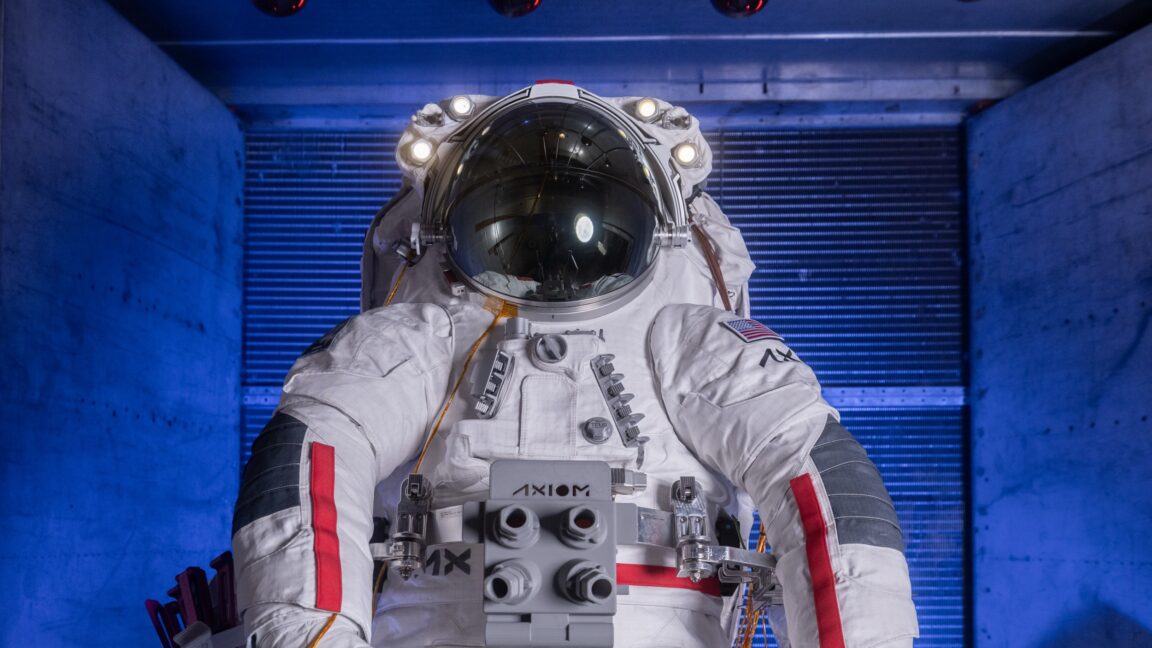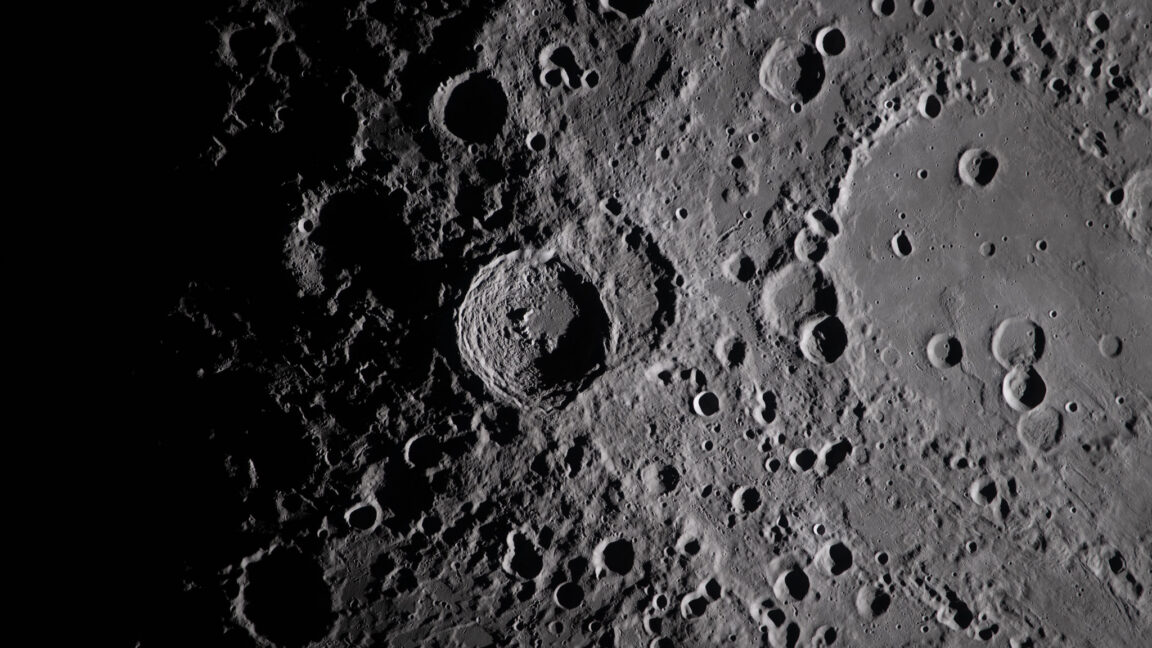
The Artemis II mission, NASA's first crewed foray into lunar orbit in over half a century, has reached a milestone that is as much about data transmission as it is about orbital mechanics. While the four astronauts aboard the Orion spacecraft spent Monday describing the desolate, cratered landscape of the lunar far side via voice communications, the most striking evidence of their journey initially remained trapped behind a bandwidth bottleneck. Traditional radio frequencies are reliable but limited, often forcing a choice between mission-critical telemetry and high-resolution media.
That technical constraint was bypassed on Monday night through the use of an optical link. By establishing a laser-based connection with ground stations on Earth, Orion was able to offload a backlog of high-definition data that radio simply could not handle in real-time. The resulting images — including the iconic "Earthrise" perspective — offer a clarity that bridges the gap between the grainy relics of the Apollo era and the high-fidelity expectations of the digital age.
From Radio Waves to Laser Light
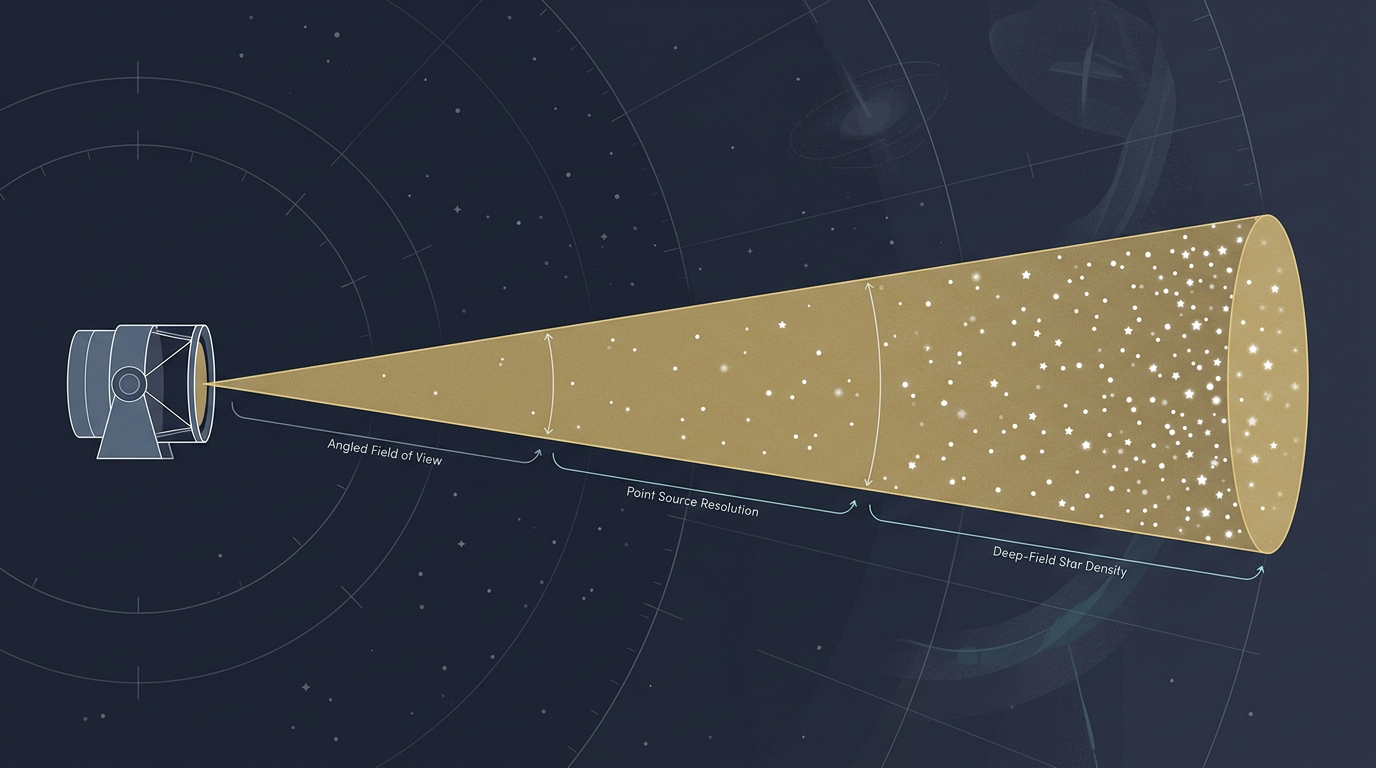
The shift from radio-frequency to optical communications represents one of the more consequential, if underappreciated, infrastructure upgrades in spaceflight. Radio links have served human space exploration since its inception, but their data throughput has remained fundamentally constrained by the physics of longer wavelengths. Optical systems, which encode data onto laser beams operating at near-infrared wavelengths, can achieve dramatically higher transmission rates over the same distances. NASA's earlier technology demonstration aboard the DSOC (Deep Space Optical Communications) experiment on the Psyche mission had already validated the concept beyond Earth orbit, proving that laser links could function reliably across interplanetary distances. Artemis II marks the first time such a system has been used operationally on a crewed mission.
The practical implications extend well beyond photography. Future lunar surface operations under the broader Artemis program will demand the transmission of scientific instrument data, habitat telemetry, and potentially live video — all simultaneously. A radio-only architecture would force mission planners into constant triage over what data to prioritize. Optical links loosen that constraint considerably, turning bandwidth from a scarce resource into something closer to a utility.
The Symbolic Weight of High-Fidelity Imagery
There is also a dimension to this achievement that sits outside engineering specifications. The Apollo program's cultural impact was inseparable from its imagery. William Anders's 1968 "Earthrise" photograph, taken during Apollo 8, became one of the most reproduced images in history and is widely credited with catalyzing the modern environmental movement. Yet those images were products of film cameras and analog transmission — artifacts of their era's technical ceiling. The Artemis II frames, by contrast, arrive in a media environment saturated with high-definition content. The bar for visual impact is far higher than it was in 1968.
NASA's decision to upload the images promptly to the Johnson Space Center's public archives reflects an awareness of this dynamic. In an era when public engagement with government-funded science programs is neither automatic nor guaranteed, high-resolution imagery from crewed missions serves a function that budget documents and press releases cannot. It provides tangible, visceral evidence that the investment is producing something real.
The broader question is whether the Artemis program can sustain this kind of public attention beyond individual milestones. The Apollo precedent is instructive in both directions: the early missions captivated global audiences, but by Apollo 14 television networks had stopped carrying live coverage. Artemis faces a similar trajectory risk, compounded by a political and fiscal environment in which large-scale government programs face persistent scrutiny over cost and timeline.
What Artemis II has demonstrated, at minimum, is that the infrastructure for deep-space communication is maturing in step with the missions it must support. Whether that infrastructure serves a sustained human presence beyond low Earth orbit or remains a technical proof of concept depends on decisions that lie well outside the engineering domain — in congressional appropriations, international partnerships, and the still-unresolved question of what role commercial operators will play on the lunar surface. The laser link works. The harder transmissions are political.
With reporting from Ars Technica Space.
Source · Ars Technica Space