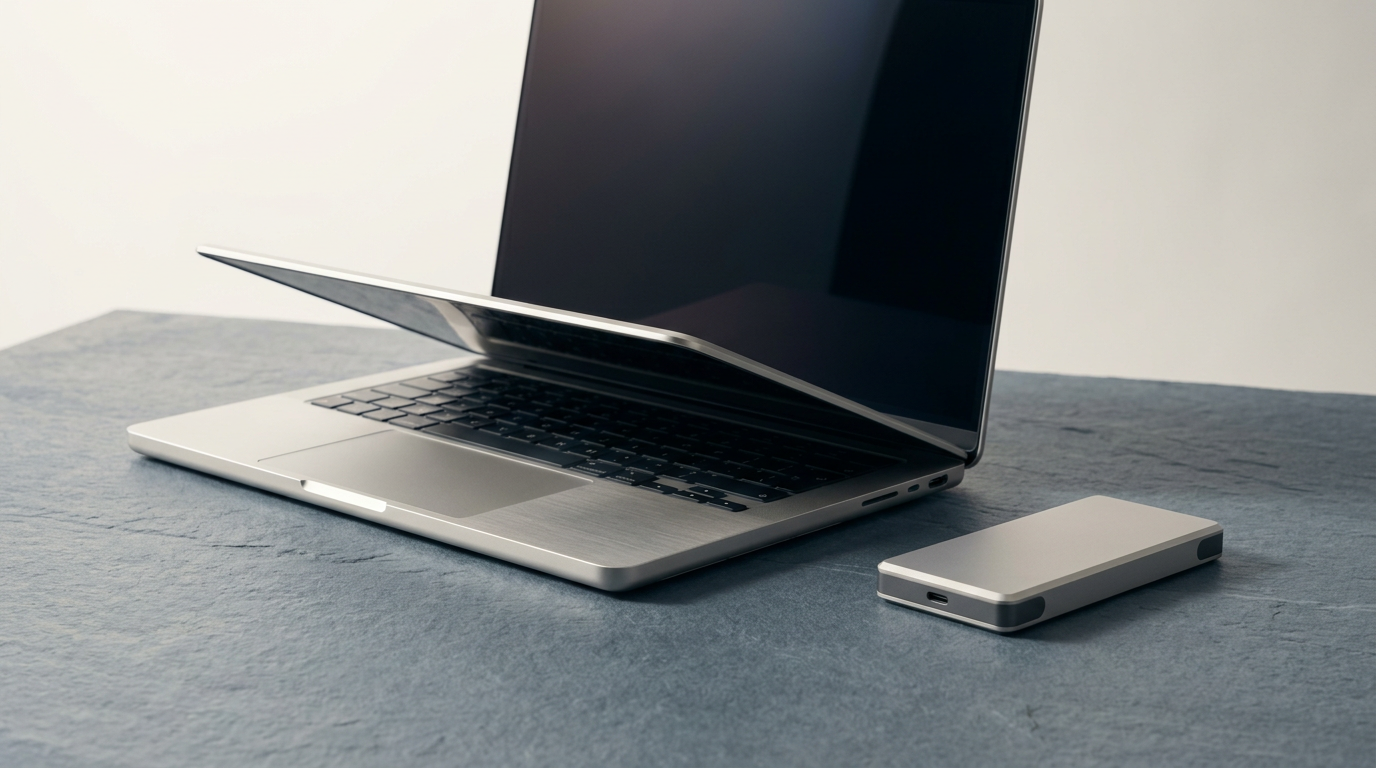
Framework, the startup that has become the standard-bearer for modular consumer electronics, is attempting to move upmarket. At a launch event in San Francisco, CEO Nirav Patel unveiled the Laptop 13 Pro, a machine that trades the company's previous utilitarian aesthetics for a chassis fully machined from aluminum. The shift marks a maturation of the brand's core thesis: that high-end industrial design and user-serviceable internals are not mutually exclusive.
The new flagship is being positioned as a direct alternative to the industry's most polished hardware. Patel described the device as "the MacBook Pro for Linux users," a nod to the specific subset of developers and power users who demand premium build quality but reject the locked-down ecosystems of traditional manufacturers. By adopting a unibody-style aluminum frame while maintaining the brand's signature swappable ports and easy-access components, Framework is addressing the primary criticism of repairable tech — that it often feels like a compromise in craftsmanship.
The design tax on repairability
Since its founding, Framework has operated in a market segment defined by a perceived trade-off: devices that are easy to open and upgrade tend to look and feel like devices that are easy to open and upgrade. Plastic clips, visible seam lines, and thicker profiles have been the aesthetic cost of modularity. The broader laptop industry, meanwhile, has moved in the opposite direction — toward sealed batteries, soldered RAM, and proprietary storage — in pursuit of thinner enclosures and tighter tolerances. Apple's MacBook line epitomizes this approach, delivering exceptional build quality at the expense of any meaningful user serviceability.
Framework's earlier models earned respect among enthusiasts and right-to-repair advocates but struggled to attract buyers for whom fit and finish ranked alongside repairability as a purchasing criterion. The Laptop 13 Pro appears designed to close that gap. A fully machined aluminum chassis is the material language of premium computing; it signals that the company is no longer content to serve only the ideologically committed. The ambition is to compete on the same shelf as machines from Apple, Dell's XPS line, and Lenovo's ThinkPad X1 series — not as an alternative category, but as a peer.
This trajectory mirrors patterns seen in other industries where sustainability or modularity initially carried a design penalty. Electric vehicles, for instance, spent years associated with aesthetic compromise before manufacturers demonstrated that the underlying technology imposed no inherent constraint on form. The question for Framework is whether the same logic holds for laptops — whether modularity can coexist with the kind of precision engineering that commands premium pricing.
Longevity as a luxury proposition
Beyond the material upgrade, the Laptop 13 Pro represents a broader challenge to the planned obsolescence embedded in the modern workstation market. The dominant business model in consumer electronics rewards frequent replacement cycles: sealed designs lower manufacturing costs, reduce warranty complexity, and ensure that a failing component means a new sale rather than a repair. Right-to-repair legislation has gained traction in the European Union and several U.S. states, but regulatory pressure alone has not reshaped how most manufacturers design their products.
Framework's bet is that a growing segment of professional buyers will pay for longevity the way they currently pay for performance or portability. The Laptop 13 Pro's swappable expansion cards, user-accessible internals, and upgrade-friendly architecture reframe durability not as a niche concern but as a feature befitting a flagship device. If the "pro" designation in the industry has historically meant more power and a higher price, Framework is proposing an addendum: it should also mean the right to maintain and extend the life of one's own tools.
The tension worth watching is whether this repositioning can scale beyond Framework's existing base. The company must now convince buyers who have never opened a laptop chassis that the option to do so has value — even if they never exercise it. It must also demonstrate that a small hardware startup can match the supply chain discipline and quality control of manufacturers operating at vastly greater scale. The machined aluminum chassis is a statement of intent. Whether it becomes a proof of concept for an entire product philosophy depends on execution that the market has not yet had the chance to evaluate.
With reporting from The Verge.
Source · The Verge