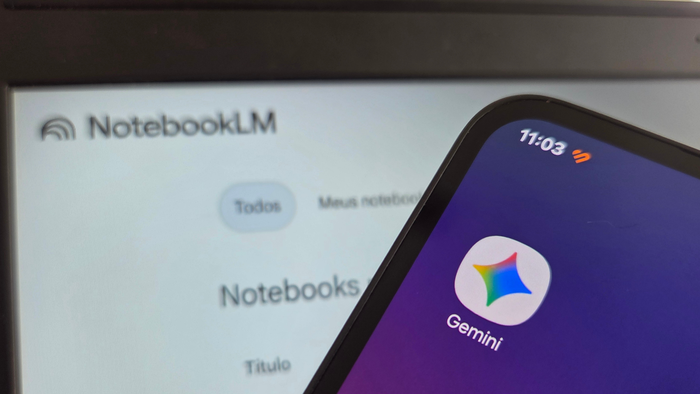
The traditional AI chatbot interface—a linear, ephemeral stream of consciousness—is beginning to feel increasingly insufficient for complex, long-term research. Recognizing this limitation, Google has begun rolling out its "Notebooks" feature to free Gemini users this week. Previously reserved for paid subscribers, the tool incorporates the core functionality of NotebookLM, Google’s specialized research environment, into the broader Gemini ecosystem.
Unlike a standard chat, a Notebook functions as a dedicated workspace where files, web search results, and conversation histories are anchored to a specific project. This architecture allows the underlying model to maintain a localized contextual memory; it does not merely respond to the most recent prompt, but draws from the entire corpus of data and previous interactions stored within that specific container. Users can also implement custom instructions for tone and formatting that remain consistent across the life of the project.
This expansion suggests a strategic shift toward transforming Gemini from a conversational novelty into a functional productivity agent. By democratizing access to these organizational tools, Google is positioning the model as a more permanent repository for personal or professional knowledge. As the industry moves past the "infinite chat" phase, the value of generative AI is increasingly being measured by its ability to manage and synthesize a user's own data within a stable, navigable environment.
With reporting from Canaltech.
Source · Canaltech