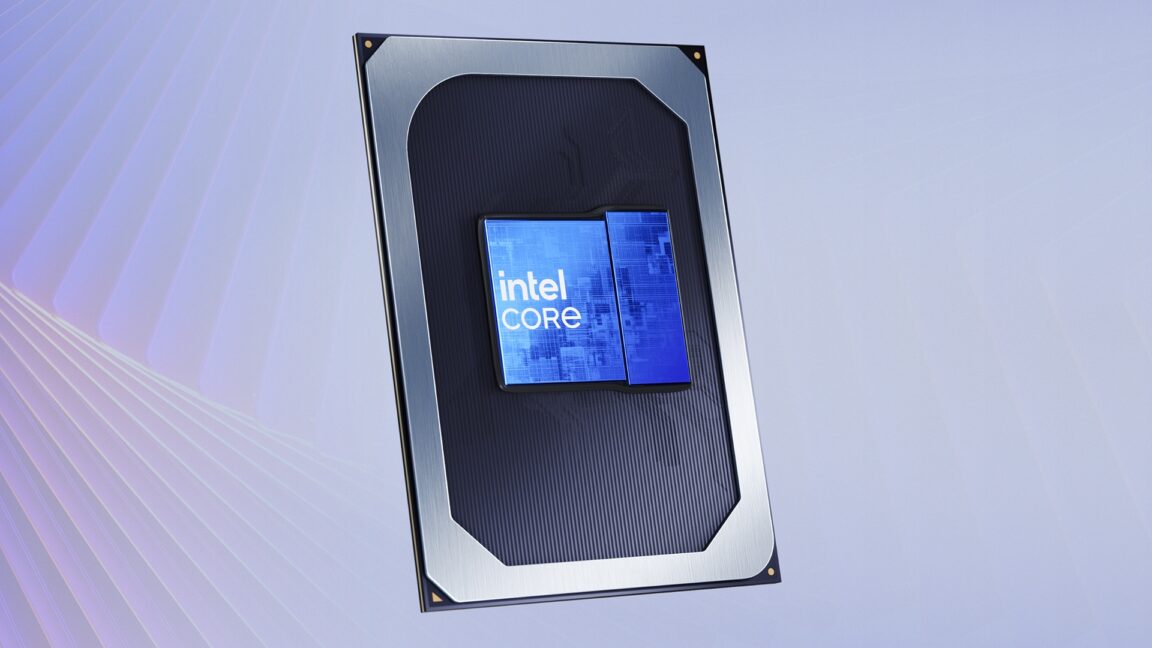
For years, Intel’s product cycles followed a predictable, if somewhat frustrating, cadence for the average consumer. While the high-end enthusiasts received the latest architectural breakthroughs, the mid-range and budget tiers—the "non-Ultra" chips—were often relegated to "refreshes." These were essentially the previous year’s silicon rebranded with slightly higher clock speeds and new model numbers, a practice that kept manufacturing costs down but left the mainstream market in a state of technological stagnation.
This year marks a departure from that script. Intel is reportedly moving its mainstream Core lineup to genuine new silicon, specifically the Arrow Lake architecture. This shift means that for the first time in several generations, the processors found in everyday workhorse laptops and mid-tier desktops will share the same fundamental DNA as their flagship counterparts. It is a rare moment of architectural parity across the company’s consumer stack.
The move is more than a marketing gesture; it is a necessary pivot in a landscape where power efficiency has become the primary metric of success. By bringing the architectural improvements of Arrow Lake to the broader market, Intel is addressing the mounting pressure from ARM-based competitors and AMD’s increasingly efficient Ryzen chips. For the end user, this translates to better thermal management and longer battery life—benefits that were previously reserved for those willing to pay a premium for the "Ultra" badge.
With reporting from Ars Technica.
Source · Hacker News