A collaborative research effort involving MIT, GE HealthCare, and the U.S. Military Academy at West Point has unveiled a computational framework designed to decode the molecular underpinnings of physical fitness. By analyzing over 50,000 biomarkers from 86 cadets undergoing rigorous training, the team successfully identified a refined set of signals that correlate with physical performance. The findings, published in the journal Communications Biology, suggest that physical capacity is not merely a product of observable metrics like VO2 max but is deeply rooted in specific cellular pathways that govern energy production and tissue recovery.
This development marks a shift in how sports science and clinical rehabilitation might approach human performance. Rather than relying solely on external tests of strength or endurance, the researchers created a model, dubbed PhenoMol, which integrates existing biological network data to distinguish meaningful causal relationships from statistical noise. According to the reporting, this approach allows for a more nuanced understanding of why individuals differ in their response to physical stress, potentially transforming how training regimens and recovery protocols are personalized in the future.
The Complexity of Quantifying Human Potential
Historically, assessing physical fitness has relied on physiological benchmarks—such as muscle mass, aerobic capacity, and standardized performance tests—that offer a macroscopic view of an individual's capabilities. While these measures are effective for evaluating immediate performance, they often fail to capture the underlying biological mechanisms that dictate why one individual may reach a performance ceiling faster than another. The challenge lies in the multifactorial nature of fitness, which emerges from the intersection of genetics, environmental influences, and physiological adaptation.
Genome-wide association studies have long been the gold standard for linking genetic traits to specific outcomes, yet they struggle to account for the dynamic, real-time molecular shifts that occur during physical exertion. The researchers addressed this by focusing on the "interactome," or the complex web of molecular interactions that drive cellular function. By mapping these interactions against fitness data, the study sought to move beyond the limitations of traditional observational metrics. This represents a significant transition from static assessment to a dynamic, systems-biology approach that views the body as a network of signaling pathways rather than a collection of isolated parts.
The Mechanism of Predictive Modeling
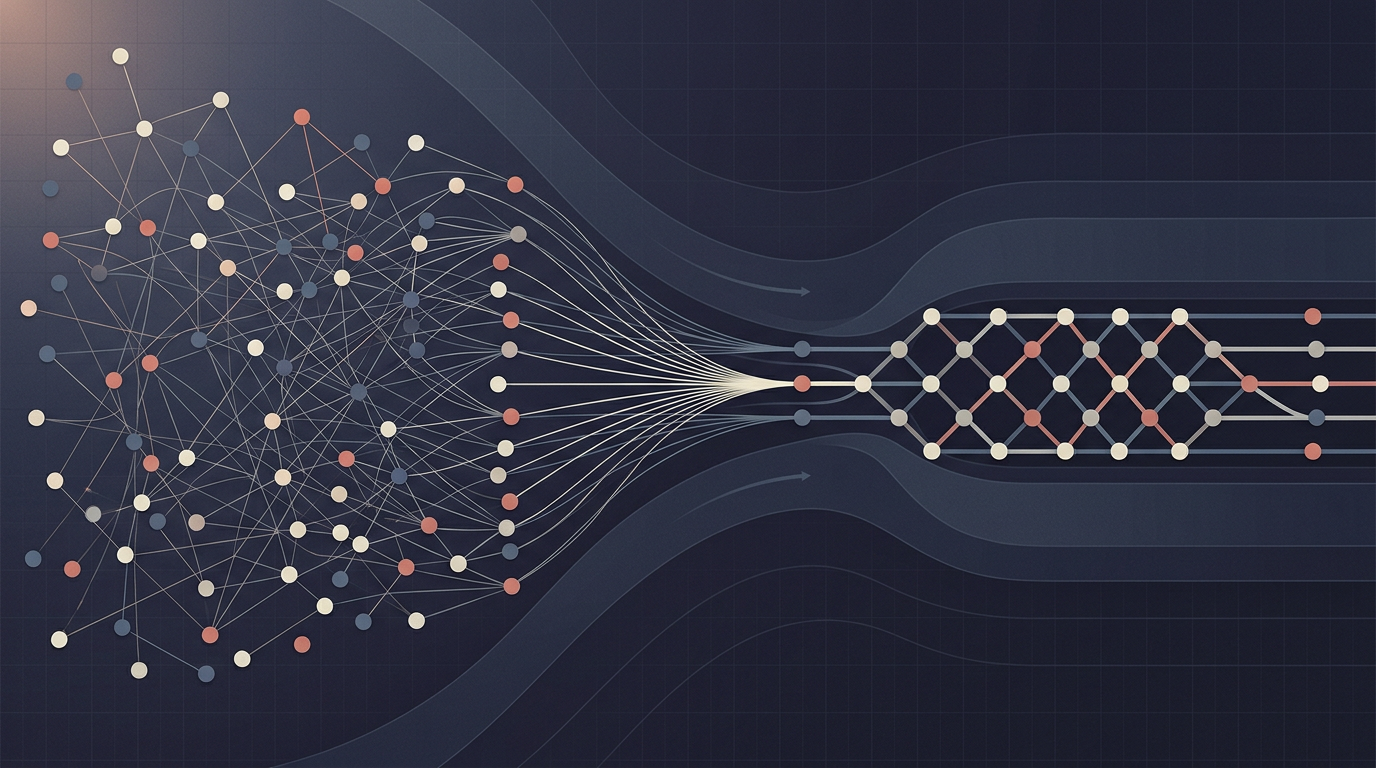
At the core of the study is the PhenoMol model, which functions by filtering massive datasets through a pre-existing map of biological interactions. The researchers recognized that with a sample size of 86 subjects, a standard correlative approach would likely produce spurious results. Instead, they utilized a network-based framework to identify "neighborhoods" of molecular activity—groups of proteins and transcripts that operate in concert to facilitate biological processes. This method is analogous to identifying active districts within a city map, where the simultaneous activation of multiple nodes provides a more reliable signal than the flickering of a single light.
By feeding blood sample data into this network, the researchers identified over 100 biomarkers that serve as reliable proxies for physical fitness. These markers clustered into distinct functional groups, specifically those governing blood coagulation, the complement cascade, and the urea cycle. These pathways are critical for managing the physiological stress of exercise, such as clearing damaged cells and processing the ammonia byproduct of protein breakdown. The model also highlighted markers related to mitochondrial function, the engine room of cellular energy production. By grounding these biomarkers in established biological pathways, the researchers have moved the field closer to a mechanistic understanding of what constitutes "fitness" at the cellular level.
Implications for Clinical and Athletic Stakeholders
The implications of these findings extend well beyond the athletic field. While the initial data was gathered from military cadets, the potential applications for clinical medicine are substantial. For patients recovering from chronic illness, major injuries, or the physiological decline associated with aging, identifying the molecular barriers to recovery could allow for more targeted interventions. If a patient’s progress has stalled in physical therapy, molecular profiling might reveal whether the limitation is rooted in metabolic efficiency, immune response, or mitochondrial health, enabling clinicians to adjust treatment plans with greater precision.
For the sports and military sectors, this technology offers a path to optimizing performance without the risk of overtraining. By moving toward a model where fitness can be monitored through simple blood analysis, stakeholders could theoretically detect when an individual is approaching a threshold of injury or when they possess latent capacity that has not yet been realized. Furthermore, the ability to quantify these markers provides a rigorous, standardized metric for evaluating the efficacy of nutritional supplements and training programs, which have historically been subject to significant variability and anecdotal evidence.
Toward a New Standard of Biological Monitoring
Despite these advancements, the path to widespread clinical application remains complex. The current model requires further refinement to distill the vast array of biomarkers into a concise, easily measured panel that can be deployed outside of a research setting. There is also the question of generalizability; while the current study provides a robust proof of concept, validating these markers across more diverse populations—including different age groups, fitness levels, and health statuses—will be essential to determining their broader utility.
As the integration of high-throughput molecular data into health monitoring continues to evolve, the distinction between elite athletic performance and clinical health management may become increasingly blurred. The ability to map the molecular architecture of fitness provides a new lens through which to view human resilience. Whether this framework will ultimately lead to a standardized "fitness profile" in routine medical checkups depends on the ability to translate these complex signals into actionable, cost-effective clinical insights that go beyond the current limitations of physical testing.
As researchers continue to refine the PhenoMol model and explore its predictive power across different cohorts, the fundamental question remains how these molecular signatures will be integrated into existing healthcare infrastructures to drive tangible improvements in human health and performance.
With reporting from MIT News
Source · MIT News