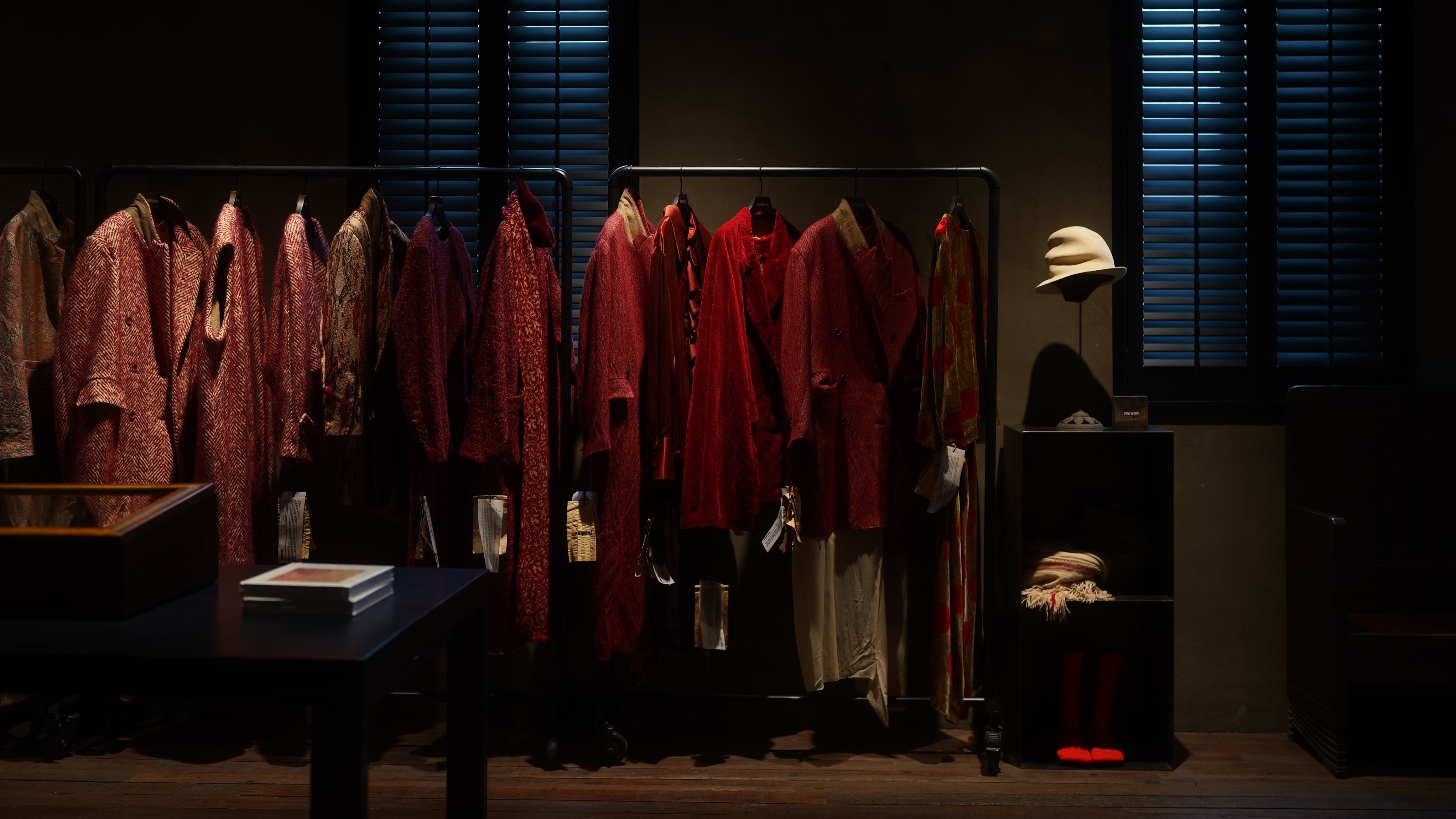
Shanghai's luxury market has undergone a structural shift. In the years following the pandemic, consumer behavior in China's commercial capital has moved away from conspicuous displays of wealth — logo-heavy handbags, prominent brand insignia, flashy ready-to-wear — toward a more restrained aesthetic often described as "stealth wealth." The trend reflects not just a change in taste but a deeper realignment in what luxury means to Chinese consumers, particularly among younger, urban cohorts who increasingly favor homegrown labels and lifestyle-oriented spending over the megabrand loyalty that defined the previous decade.
The shift is significant for the global luxury industry. China has long been one of its most important growth engines, and Shanghai has served as the primary gateway for Western houses seeking to capture that demand. But the dynamics that once made the market relatively legible — aspirational consumers trading up through recognizable European brands — have given way to something more complex and harder for foreign incumbents to navigate.
From logos to lifestyle
The move toward stealth wealth in Shanghai mirrors patterns observed in other mature luxury markets, notably Japan in the late 2000s and parts of Western Europe, where consumers who had already cycled through conspicuous consumption began gravitating toward quieter signifiers of taste. In Shanghai, however, the transition has been compressed into a shorter timeframe and shaped by distinctly local forces: a post-pandemic reassessment of spending priorities, growing cultural confidence among Chinese consumers, and the rapid emergence of domestic brands capable of competing on design and quality.
The broader pivot from fashion to lifestyle is equally consequential. Consumer spending in Shanghai is increasingly distributed across categories — wellness, home, food, travel, experiential retail — rather than concentrated in apparel and accessories. This diffusion of luxury spending means that even brands performing well in traditional product categories face a shrinking share of the consumer's attention and wallet. The competitive set is no longer just other fashion houses; it includes boutique hotels, specialty coffee chains, fitness concepts, and cultural experiences that compete for the same discretionary yuan.
The challenge for Western brands
For European and American luxury houses, the implications are strategic and operational. Many built their China presence around flagship stores in prime Shanghai retail corridors, heavy investment in brand events, and marketing calibrated to an aspirational consumer who wanted visible affiliation with global prestige. That playbook is losing effectiveness. The consumer who once queued for a limited-edition European handbag may now spend the equivalent sum on a curated domestic brand wardrobe, a wellness retreat, or a home renovation informed by contemporary Chinese design sensibilities.
Homegrown labels, meanwhile, benefit from proximity to these evolving preferences. They can iterate faster on product and messaging, draw on cultural references that resonate locally, and price more flexibly. Some have built followings through social platforms like Xiaohongshu and Douyin with an authenticity that global brands struggle to replicate through translated campaigns and imported creative direction. The competitive advantage that Western houses long enjoyed — the aura of foreign prestige — has not disappeared, but it has diminished as a standalone proposition.
The question facing the global luxury industry is not whether Shanghai still matters — it plainly does — but whether the strategies developed during the market's high-growth, logo-driven phase can be retooled quickly enough to match a consumer base that has moved on. Domestic brands are gaining ground not because Western houses have failed, but because the definition of desirable has changed. Whether the large European conglomerates can adapt their product mix, retail formats, and brand narratives to this new landscape — or whether they cede meaningful share to local competitors — remains one of the most consequential open questions in luxury's next chapter.
With reporting from Business of Fashion.
Source · Business of Fashion