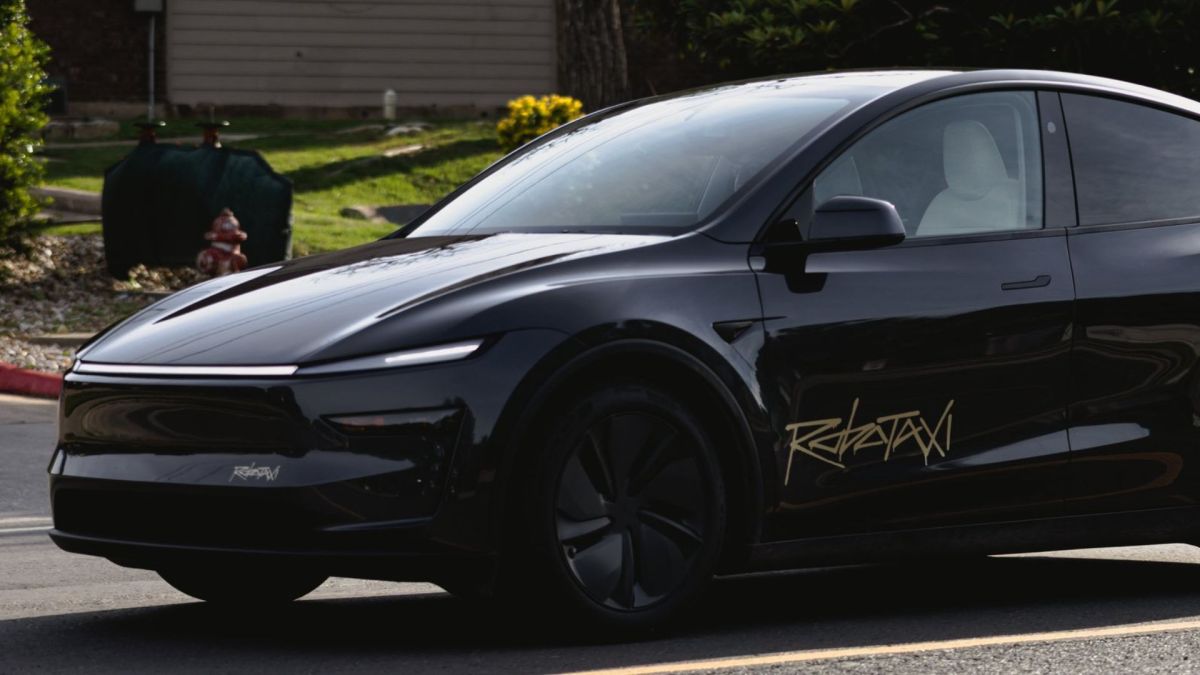
Tesla has officially expanded its nascent robotaxi service to Dallas and Houston, marking a geographic push into the Texas market where the company is now headquartered. The move follows a similar rollout in the San Francisco Bay Area, signaling Elon Musk’s intent to transition Tesla from a traditional automaker into a software-driven robotics firm. However, the expansion currently exists more as a digital placeholder than a functional transit solution.
Early reports indicate that while the service is now visible within the Tesla app for users in these cities, the actual utility is negligible. The designated service zones are remarkably small, and more importantly, there are currently no vehicles available to accept passengers. This "launch" appears to be a stress test of the platform’s interface and backend architecture rather than a meaningful deployment of autonomous hardware.
The gap between Tesla’s vision of a ubiquitous self-driving fleet and the current operational reality highlights the immense friction in scaling autonomous ride-hailing. Even as the company promotes its "Cybercab" future, it faces the dual challenge of refining its Full Self-Driving software to a level of true unsupervised autonomy while simultaneously building the logistical infrastructure to manage a commercial fleet. For now, the robotaxi network remains a map without a destination.
With reporting from Numerama.
Source · Numerama