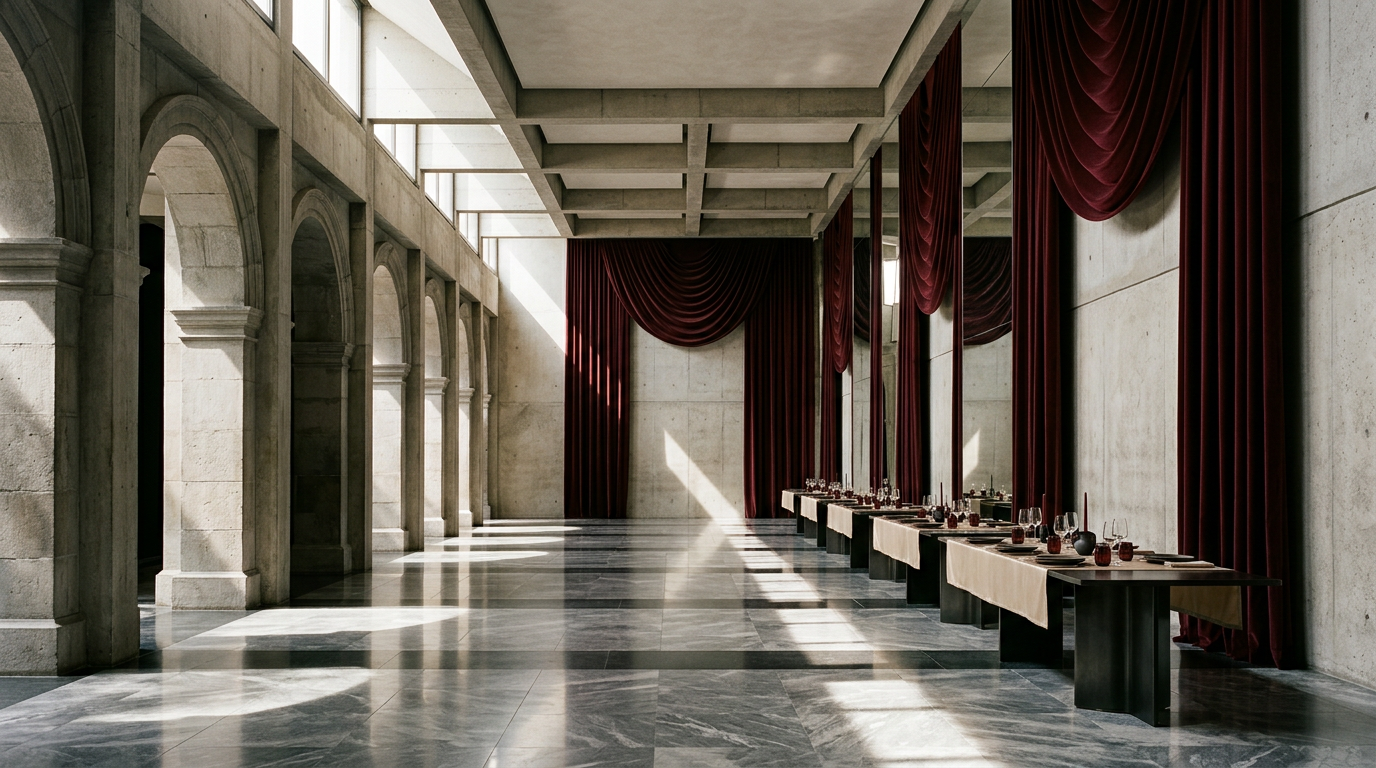
The Metropolitan Museum of Art’s annual Costume Institute gala has long occupied a unique position at the intersection of high fashion, celebrity culture, and institutional patronage. While public attention is habitually fixated on the red carpet arrivals, the interior environment of the event—the meticulously crafted spaces where the evening’s themes are manifested—offers a distinct window into the shifting priorities of the luxury industry. According to Vogue reporting, the evolution of these interiors over the past twenty years reflects a transition from static, traditional displays to increasingly complex, immersive environments that mirror the broader professionalization of event design and brand storytelling.
This aesthetic trajectory is not merely a matter of changing decorative tastes but serves as a barometer for how luxury institutions engage with their audiences in an era of digital saturation. As the gala has grown from an industry-focused fundraiser into a global cultural phenomenon, the physical spaces within the museum have evolved to accommodate a more performative and experiential mandate. By examining the visual language employed across these decades, one can trace the movement toward a more deliberate, architecturally sophisticated approach to luxury, where the environment itself becomes a primary component of the narrative being sold to both attendees and the global public.
The Shift Toward Experiential Narrative
In the mid-2000s, the design language of the Met Gala was largely defined by a sense of classicism and formal elegance, often mirroring the historical reverence associated with the museum’s permanent collections. Interiors were frequently characterized by traditional floral arrangements, standard gala lighting, and a focus on maintaining the museum’s existing architectural integrity. There was a clear separation between the art on display and the social environment of the dinner; the decor served as a respectful backdrop rather than an active participant in the evening’s thematic exploration. This reflected a period in luxury where exclusivity was signaled through conventional markers of wealth and traditional institutional authority.
However, as the gala’s profile expanded, the design philosophy shifted toward a more immersive, narrative-driven aesthetic. The modern Met Gala interior is no longer a static room; it is a constructed environment designed to transport guests into the specific cultural or sartorial context of the year’s exhibit. This change reflects a broader trend in luxury retail and hospitality, where the consumer experience is increasingly defined by atmospheric storytelling. The use of custom structural elements, complex lighting rigs, and site-specific installations has become the standard, signaling that the event is as much about the curation of a moment as it is about the display of couture garments.
The Commercialization of Atmosphere
This evolution mirrors the changing incentives of the luxury sector, which has increasingly moved away from product-centric marketing toward lifestyle-centric narratives. The high level of investment in the gala’s interior design—often involving collaboration with world-renowned architects, set designers, and creative directors—highlights the importance of creating a unique, shareable, and highly branded experience. The interior environment now functions as a high-stakes stage for brand positioning, where the distinction between art curation and commercial spectacle is intentionally blurred to maximize cultural impact.
This mechanism of design-led branding is emblematic of how luxury houses maintain relevance in a competitive landscape. By investing in elaborate, ephemeral spaces, these institutions demonstrate their capacity to shape cultural discourse beyond the mere sale of goods. The design process itself has become a form of institutional signaling, showcasing the ability of the museum and its partners to command massive resources to transform public space into a private, high-status theater. This shift underscores a fundamental change in the luxury value proposition: the experience itself, and the ability to curate that experience, has become the ultimate form of currency.
Implications for Institutional Stakeholders
For the Metropolitan Museum of Art, this design evolution presents a complex set of tensions between its identity as a scholarly institution and its role as a host for one of the world's most commercialized social events. The pressure to deliver increasingly stunning visual environments necessitates a constant cycle of innovation, requiring the museum to negotiate the boundaries between preservation and creative intervention. For the designers and architects involved, the gala serves as a high-profile laboratory where they can experiment with scale, light, and materiality in ways that are rarely possible in permanent retail or residential projects.
For the broader luxury industry, the Met Gala’s interior design serves as a benchmark for aesthetic trends. When the gala adopts a specific design language—be it minimalist, maximalist, or technologically integrated—it often signals a shift in what is considered 'on-trend' for the luxury sector at large. This creates a feedback loop where the gala influences global luxury design, which in turn influences the expectations of the gala’s own audience. Regulators and cultural critics, meanwhile, continue to watch these developments with interest, questioning the extent to which private commercial interests should dictate the aesthetic and functional use of public-facing institutional spaces.
The Outlook for Immersive Curation
As the industry looks toward future iterations of the gala, the question remains how much further the integration of technology and immersive design can proceed before it risks overshadowing the very art it is meant to support. The tension between the garment as an object of historical study and the garment as a piece of performance art will likely continue to manifest in the physical design of the gala’s interiors. There is a growing possibility that we may see an increase in digital, augmented, or virtual interventions that further blur the lines between the physical museum space and a curated digital reality.
Furthermore, the sustainability of such ephemeral, high-resource design interventions remains an open point of discussion. As luxury institutions face increasing pressure to adopt more environmentally conscious practices, the future of gala design may pivot toward circularity and the reuse of materials, challenging designers to create 'stunning' environments without the environmental cost associated with traditional, single-use event sets. Whether the focus shifts toward digital permanence or material sustainability, the Met Gala will undoubtedly remain the primary site where the aesthetics of luxury are defined, debated, and ultimately, projected to the world.
As the relationship between digital consumption, physical architecture, and luxury branding continues to evolve, the Met Gala remains a critical case study in how institutions navigate the fine line between cultural stewardship and the demands of a globalized, experience-driven market. The question of how these spaces will adapt to future aesthetic and ethical shifts remains a subject of ongoing analysis for those observing the intersection of art, commerce, and public life.
With reporting from Vogue
Source · Vogue


