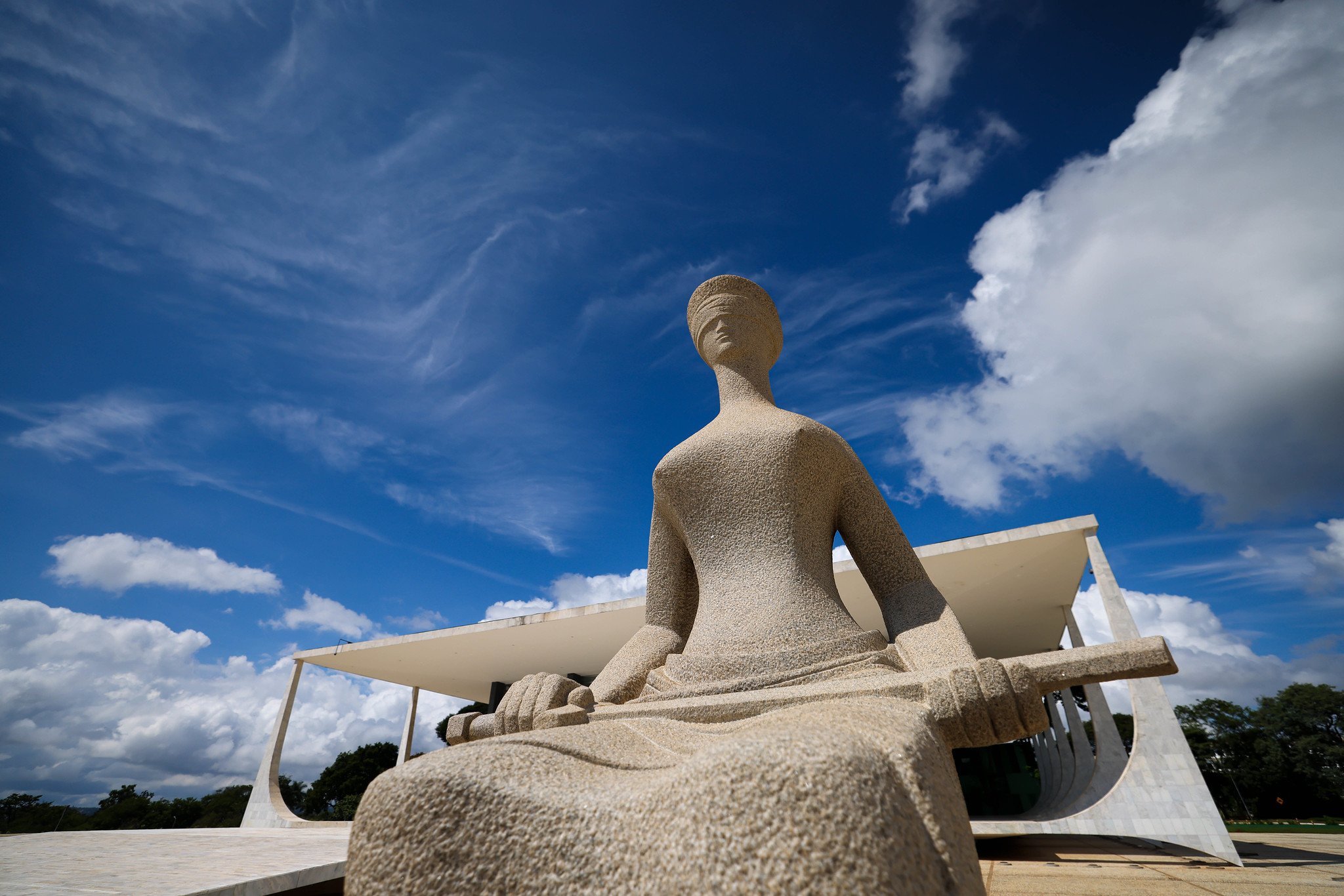
The appointment of a justice to Brazil’s Supreme Federal Court (STF) is a rare moment where the country's institutional gears grind with high-stakes precision. While the President of the Republic holds the sole authority to nominate a candidate, the journey to a seat on the bench is defined by a rigid set of constitutional hurdles. It is a ritual designed to balance executive impulse with legislative oversight, ensuring that the highest court remains insulated from purely unilateral whims.
To even be considered, a nominee must navigate a landscape of strict prerequisites: they must be a natural-born Brazilian citizen between the ages of 35 and 70, possessing "notable legal knowledge" and an "unblemished reputation." These criteria serve as the baseline for the intense scrutiny that follows in the halls of the National Congress, where the nominee’s past rulings, writings, and personal conduct are laid bare.
The centerpiece of this process is the Senate confirmation hearing, or *sabatina*. During this session, the nominee faces a gauntlet of questioning from the Constitution and Justice Committee, followed by a secret ballot on the Senate floor. This legislative filter serves as a final check on the executive branch, demanding that the President’s choice survives a test of both political and intellectual character before they are cleared to join the eleven-member court at the Praça dos Três Poderes.
With reporting from [Exame Inovação].
Source · Exame Inovação