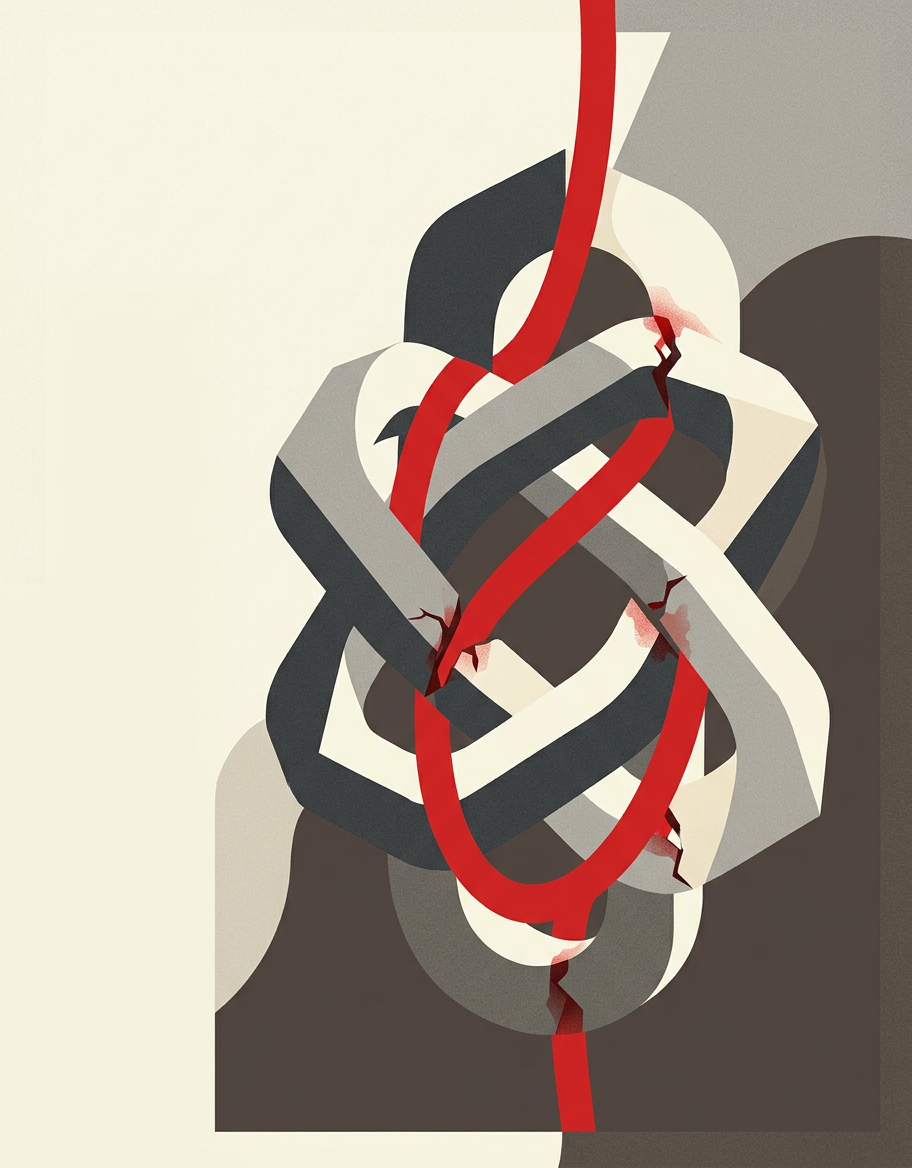
Ben Lerner’s fiction often functions like a hall of mirrors, where the specific details of a life—the anecdotes, the neuroses, the settings—feel less like unique artifacts and more like interchangeable components. This quality of substitution is not merely a stylistic quirk; it is the central tension of his work. This repetition signals a profound anxiety regarding the artistic method itself, suggesting a creative process that is as much about the assembly of modular parts as it is about the traditional spark of inspiration.
For the characters inhabiting Lerner’s novels, this interchangeability manifests as a quiet, existential dread. They are haunted by the suspicion that they are disposable, that their roles could be filled by any number of other intellectual, anxious protagonists without altering the fundamental architecture of the story. It is a reflection of a broader contemporary malaise: the fear that in a world defined by reproduction and systemic automation, the individual has become a replaceable unit.
Ultimately, Lerner’s work serves as a meta-commentary on the fragility of the self within the act of creation. By leaning into the interchangeable quality of his narratives, he forces the reader to confront the possibility that art, like the people it depicts, might be subject to the same laws of mass production and easy replacement that govern the rest of modern life.
With reporting from London Review of Books.
Source · London Review of Books