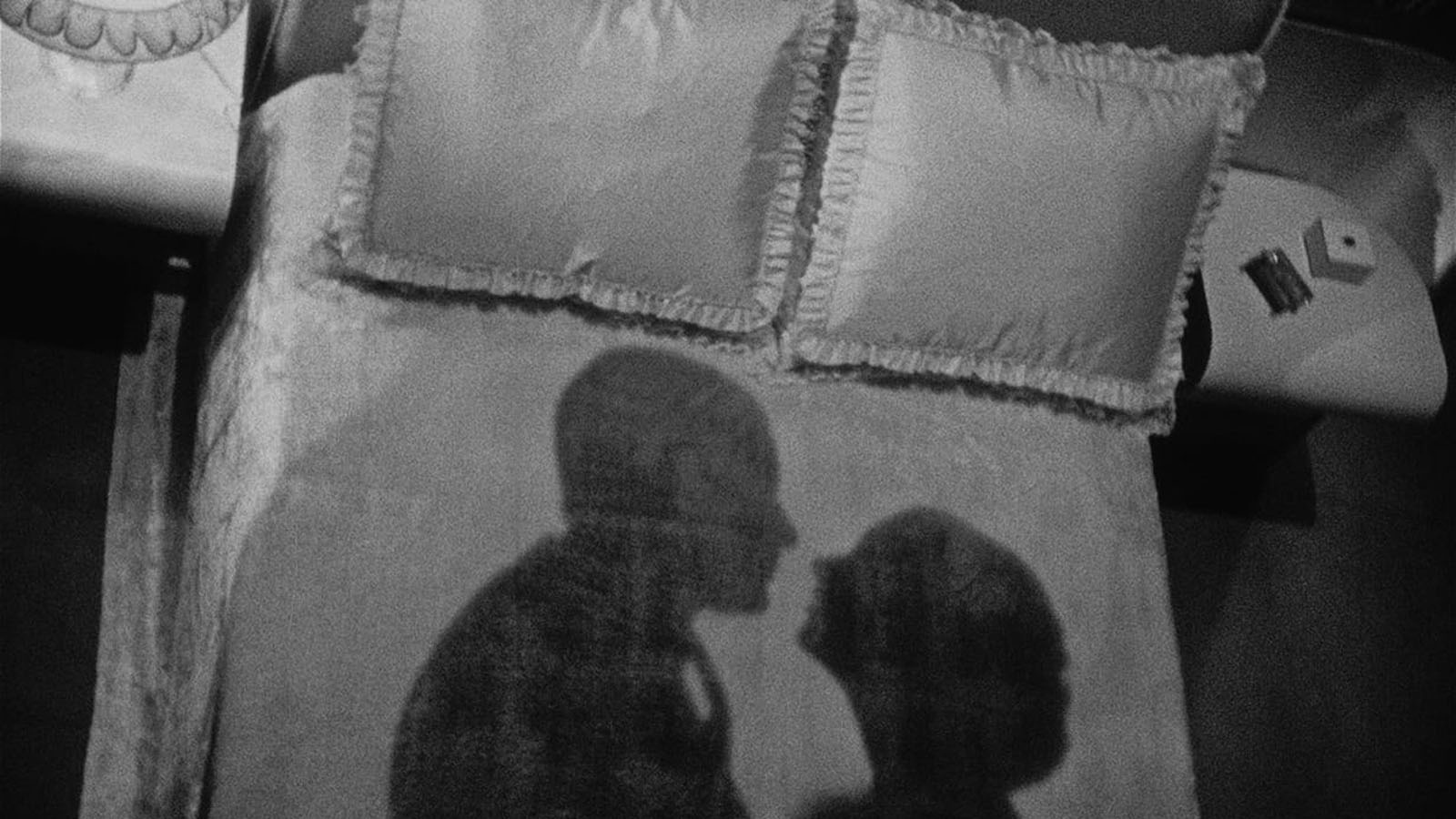
The "Lubitsch touch" is a rare example of a marketing gimmick that ascended to the level of philosophy. Coined in the 1920s by Hal Wallis, a publicity agent at Warner Bros., the phrase was intended to sell the work of Ernst Lubitsch to a burgeoning American audience. Yet, as a new retrospective reminds us, the term survived its commercial origins to become a shorthand for a specific kind of cinematic intelligence—one that prioritized wit and visual grace over the heavy-handedness of the era’s contemporaries.
Defining the touch has become a perennial exercise for critics. While some equate it simply with "sophistication," others find something more metaphysical in Lubitsch’s frames. The novelist Siri Hustvedt once observed that the filmmaker’s gift lay in his ability to summon the tactile sense through suggestion. In masterpieces like *Trouble in Paradise* (1932) and *Cluny Brown* (1947), Lubitsch mastered the art of the unsaid, using the camera to evoke the play and pleasure of human sexuality without ever running afoul of the period's rigid moral codes.
Lubitsch’s sensibilities were forged in the theatrical world of Max Reinhardt’s Deutsches Theater in Berlin, where he began as a performer at nineteen. This background in ensemble performance and spatial timing allowed him to treat the screen not just as a canvas for a story, but as a mechanism for a delicate, almost invisible, interaction with the viewer’s imagination. Even a century later, his work remains a testament to the idea that in cinema, what is felt is often more powerful than what is seen.
With reporting from Criterion Daily.
Source · Criterion Daily