Higher education is currently navigating a period of profound instability. Between the fallout from campus protests and a tightening federal funding environment, the role of a university president has transitioned from a prestigious academic post to a high-stakes crisis management position. Public trust has followed a downward trajectory; a 2025 Gallup poll indicates that only 42% of Americans maintain confidence in higher education, a significant decline from 57% a decade prior.
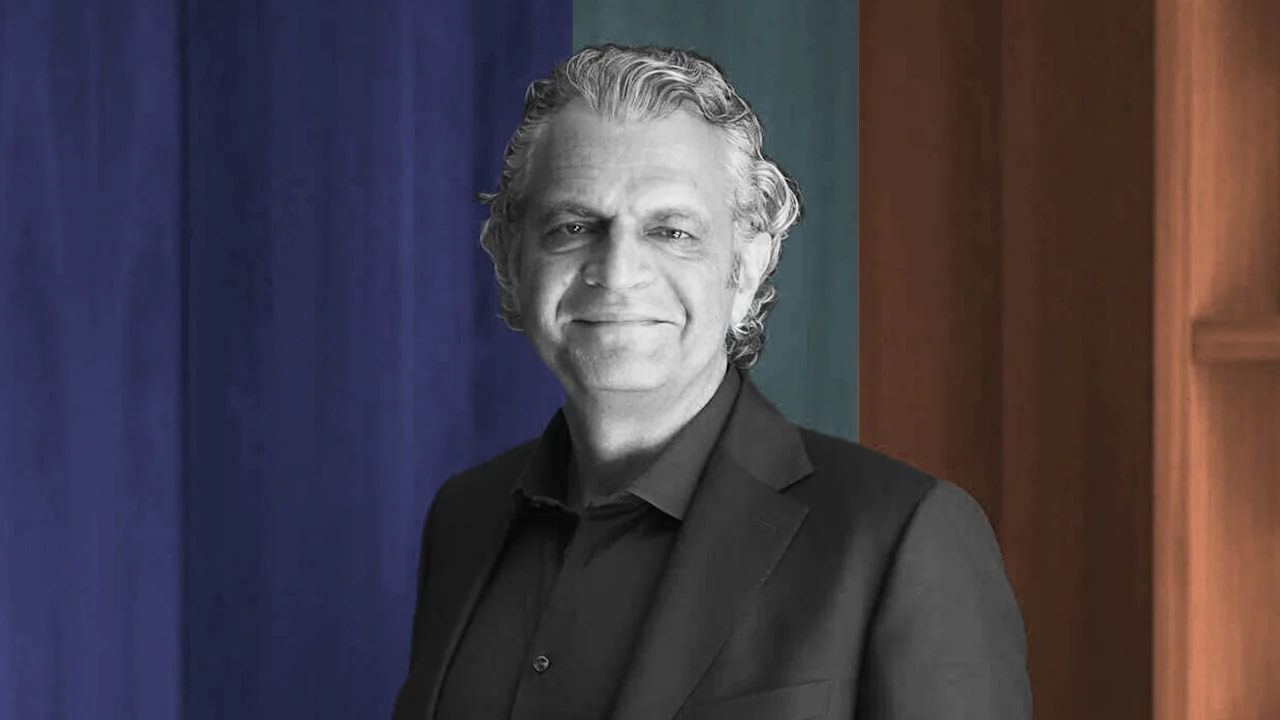
Yet, at Vanderbilt University, Chancellor Daniel Diermeier is finding success by doubling down on a philosophy of institutional restraint. Since taking the helm in 2020, Diermeier has steered the university away from the political fray, focusing instead on what he identifies as the school’s core purpose. The strategy appears to be resonating with the market: Vanderbilt saw a 12.6% increase in undergraduate applications in 2025, alongside a 20% surge in early-decision candidates.
Diermeier’s approach offers a template that extends beyond the ivory tower. He argues that the modern "unwieldy institution"—whether a private university or a global corporation—is most vulnerable when it drifts into politicization. By anchoring leadership in a singular, defined mission rather than reacting to the social pressures of the moment, Diermeier suggests that leaders can rebuild the trust that has been eroded by years of institutional overreach.
With reporting from Fast Company.
Source · Fast Company