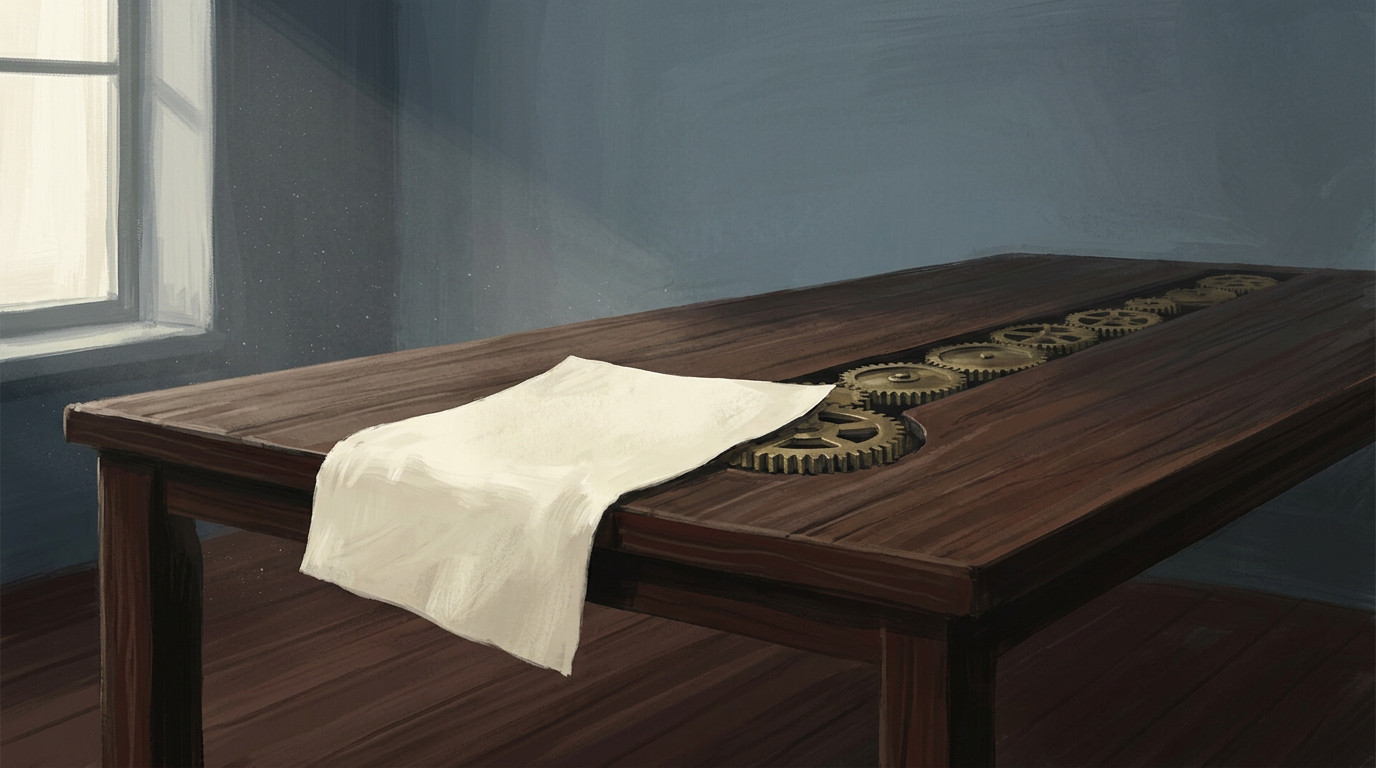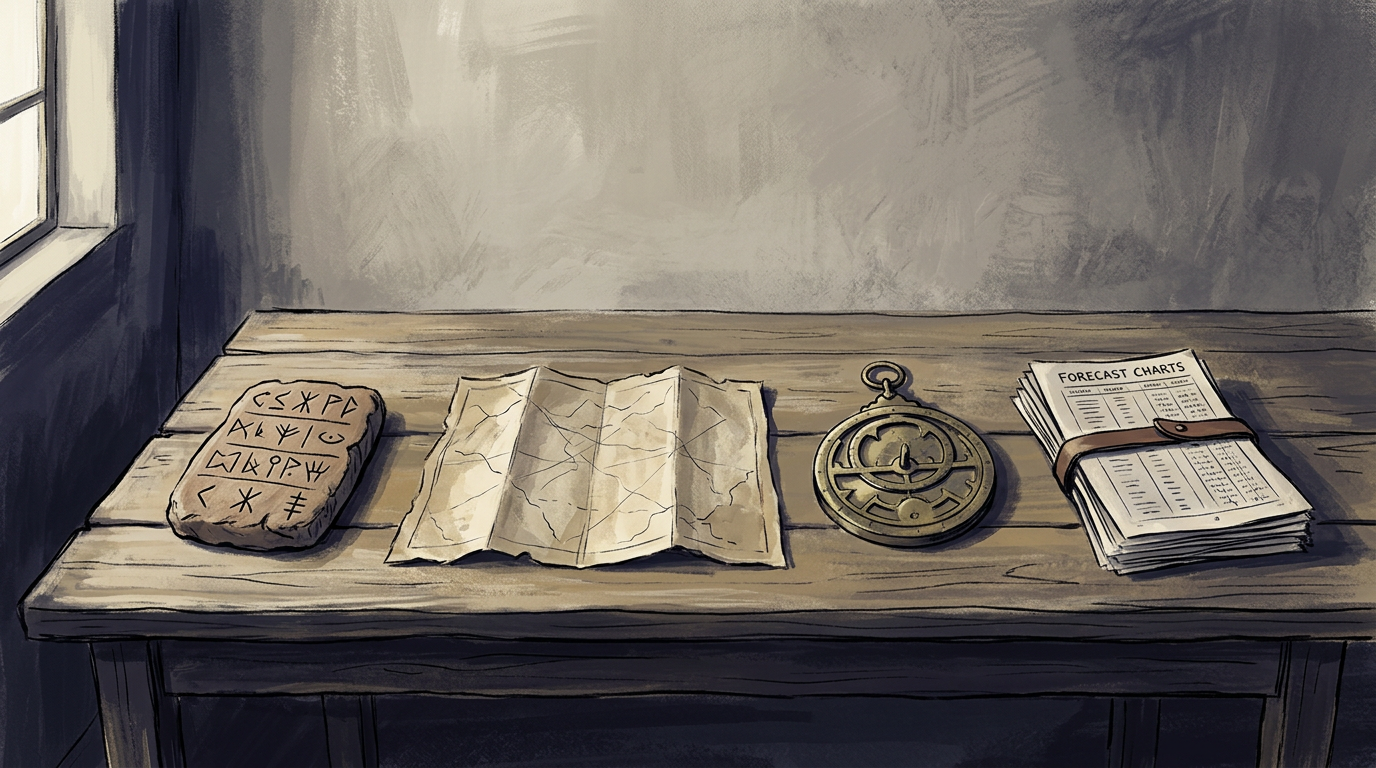
Four hundred million years ago, the land now called New South Wales was a fragment of the supercontinent Gondwana, drifting steadily toward the South Pole. In the oceans, trilobites and primitive fish navigated ancient reefs; on land, the first arthropods were tentatively colonizing a barren landscape. Beneath this surface, however, a more violent process was underway. In a region known to geologists and mining interests as the Lachlan Fold Belt, rising magma was forcing gold-rich fluids upward, depositing the metal into volcanic intrusions and fine streaks of granite.
This was the Ordovician period, but the gold's journey was only beginning. During the subsequent Devonian era — the so-called "Age of Fishes" — further geological upheaval disrupted these early deposits. Tectonic activity enfolded the metal into veins of quartz, creating the rich reefs that would sit dormant for hundreds of millions of years. This slow, subterranean curation prepared the ground for the sudden human intervention of 1851, when the first diggers arrived at Ophir and Hill End.
A Geological Inheritance
The Lachlan Fold Belt stretches across much of central and western New South Wales, a geological province shaped by successive episodes of crustal deformation, volcanism, and sedimentation. In the language of plate tectonics, fold belts form where oceanic crust is subducted beneath continental margins, generating intense heat and pressure that rework existing rock and introduce new mineral-bearing fluids from deep in the mantle. Gold, in this context, is not a surface phenomenon. It is an artifact of planetary-scale thermodynamics — carried in superheated hydrothermal solutions, precipitated into fractures and faults as temperatures and pressures shift, and locked into quartz veins that can persist essentially unchanged for geological eons.
What makes the Australian case distinctive is the sheer duration of the process. The initial Ordovician intrusions occurred roughly 450 million years ago. The Devonian remobilization followed some 50 to 100 million years later. Between these events and the erosion cycles that eventually exposed gold-bearing rock at the surface, the metal passed through multiple phases of burial, deformation, and redistribution. By the time Edward Hargraves identified alluvial gold near Bathurst in 1851, the deposits he encountered were the end product of a geological relay that predated the existence of flowering plants, mammals, and most of the modern continents.
This framing — gold as deep-time inheritance rather than sudden discovery — reorients the familiar narrative of the Australian gold rush. The prospectors of the 1850s did not create wealth so much as intercept it at a particular moment in its exposure cycle. Erosion had done the preliminary work of bringing quartz reefs closer to the surface; rivers had carried alluvial gold into creek beds. Human agency entered the story at its final stage.
The Postscript Problem
To view the gold rush through the lens of deep time is to confront what might be called the postscript problem: the tendency of historical narratives to treat geological preconditions as mere backdrop, when in fact they constitute the overwhelming majority of the story. The 19th-century scramble for wealth lasted a few decades. The metallurgical process that made it possible lasted four hundred million years. The ratio is not merely large; it is of a kind that resists intuitive comprehension.
This is not an unfamiliar tension in the history of resource extraction. The coal deposits of northern England, the oil reserves of the Arabian Peninsula, the copper ores of the Andes — each represents a deep-time accumulation unlocked by a comparatively instantaneous act of human intervention. What the Australian gold case illustrates with particular clarity is the contingency involved. Had erosion proceeded differently, had tectonic forces tilted the Lachlan Fold Belt at another angle, the gold might have remained inaccessible for millions of years more — or might have been dispersed too thinly to attract attention.
The deeper question this raises is not geological but epistemological. When a resource is described as "discovered," the word implies a kind of authorship that the timeline does not support. The gold was distilled through epochs of fire and pressure, waiting in the silence of the earth until the right combination of erosion and human ambition brought it to light. Whether the appropriate response is awe at the planetary machinery or humility before the indifference of the timeline depends on the reader's disposition. The geology, for its part, offers no opinion.
With reporting from Crooked Timber.
Source · Crooked Timber