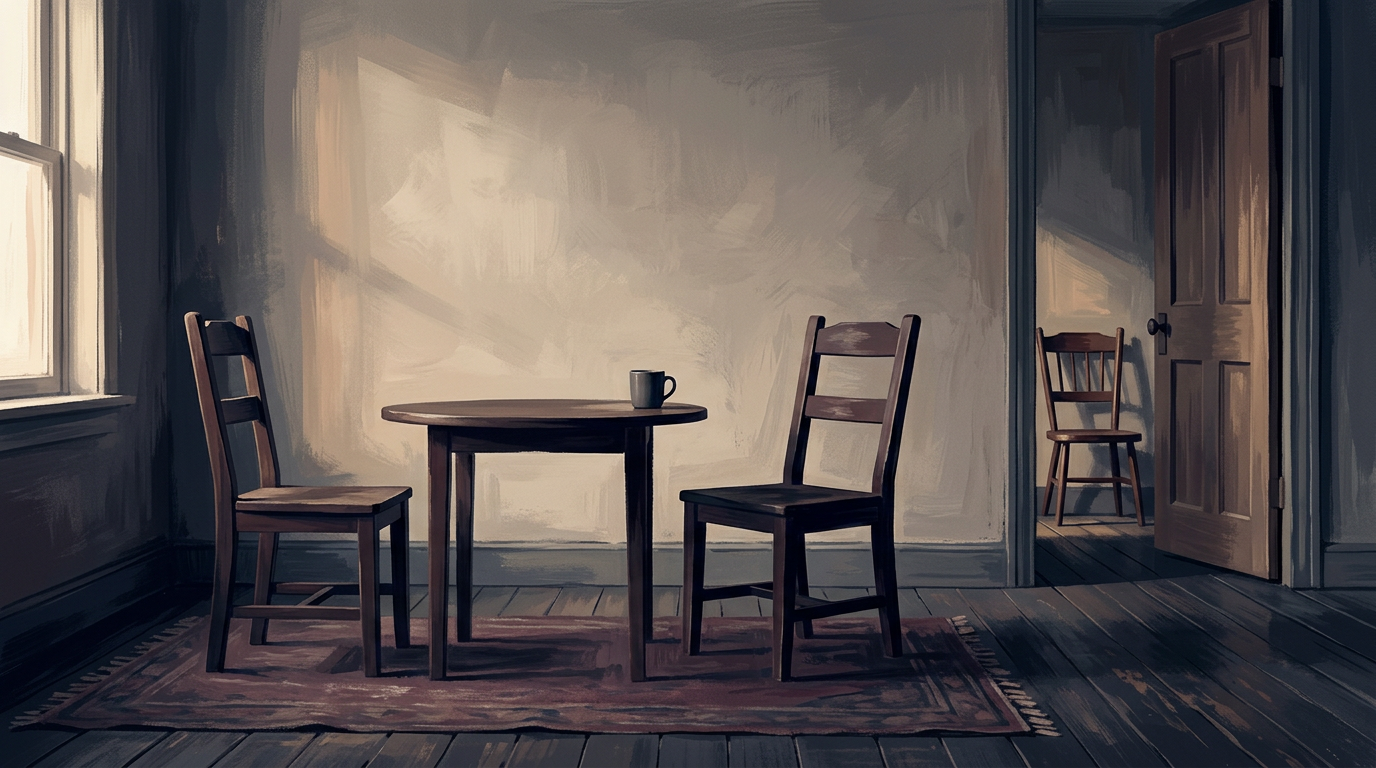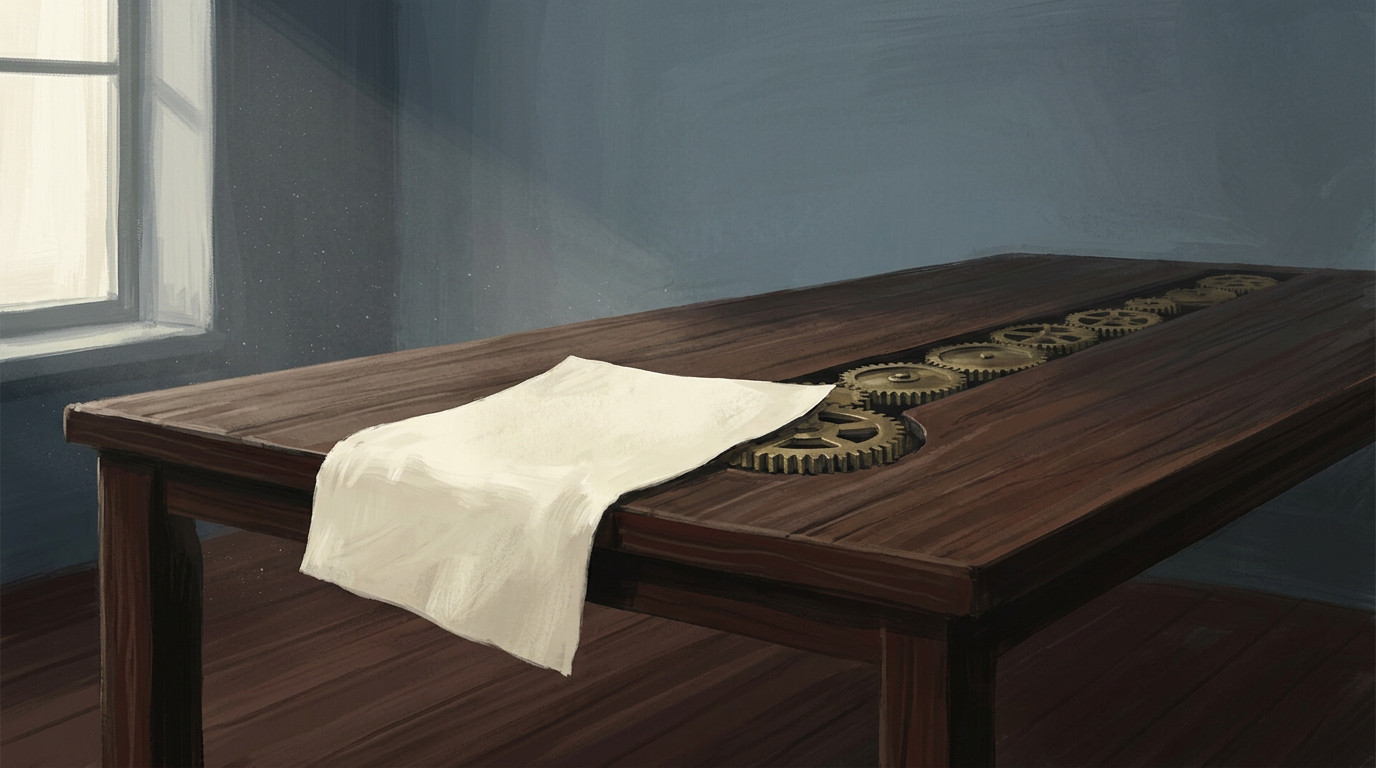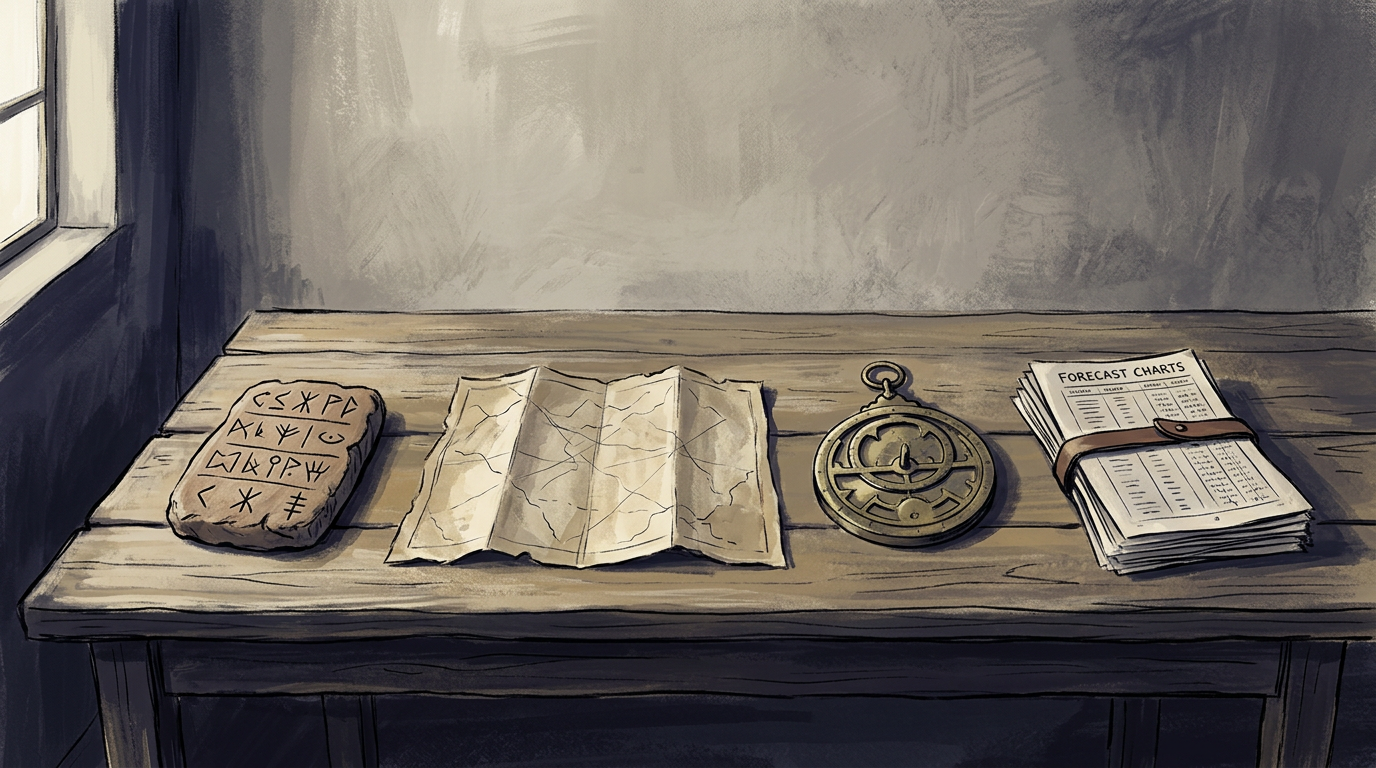
The act of puppetry is often framed as a minor divinity. To manipulate strings, shadows, or light is to perform a secular version of the Genesis myth, imbuing blank matter with a borrowed spirit. This process, as explored through the lens of the Brothers Quay, is less about performance and more about a physical transmission of energy — a transference where the artist, acting as a demiurge, fills a hollow vessel with their own life force.
Stephen and Timothy Quay, identical twins born in Philadelphia, have worked in this uncanny territory since the early 1970s, building a body of stop-motion animation that draws on the aesthetic debris of Central Europe — its faded calligraphy, its rusted mechanisms, its cabinets of curiosity. Their films do not merely tell stories; they document the resurrection of the inert. The result is a filmography that sits at the intersection of fine art, philosophy, and a deeply physical form of cinema, one in which the camera does not observe puppets so much as inhabit their airless, dust-laden worlds.
The puppet as philosophical problem
There is an inherent unease in the relationship between puppet and puppeteer. Puppets are frequently described as "creepy" precisely because they require human vitality to sustain their own; they are remainders of the human form that only achieve agency through intervention. The German writer Heinrich von Kleist explored this tension as early as 1810 in his essay "On the Marionette Theatre," arguing that the puppet's lack of self-consciousness grants it a grace unavailable to the living performer. The Quays operate in a related but darker register. Where Kleist saw elegance in the puppet's unconscious movement, the Quays foreground its materiality — the rust, the fraying thread, the cracked porcelain. Their puppets do not transcend their object-ness; they insist on it.
This insistence places the Quays in a lineage that runs through Czech and Polish animation traditions, where artists such as Jan Švankmajer and Walerian Borowczyk used stop-motion not as a children's medium but as a vehicle for surrealist inquiry. In those traditions, the animated object carries the weight of political and existential meaning: a world of things that move without permission, that refuse to stay inanimate. The Quays share this sensibility but strip away most narrative scaffolding, leaving the viewer with texture, rhythm, and an atmosphere of perpetual twilight.
Scavengers of a mythical Europe
The Quays are scavengers of a mythical, junk-strewn Middle Europe, repurposing discarded objects into dreamlike narratives. Their visual vocabulary — tarnished screws, doll parts, handwritten labels in languages the viewer may not read — evokes a continent of attics and apothecaries that may never have existed in precisely this form but feels archaeologically real. The effect is less nostalgia than haunting: these objects carry the residue of prior use, prior meaning, and the act of animating them becomes a kind of séance.
What distinguishes this approach from mere assemblage art is the element of time. Stop-motion animation unfolds frame by frame, each micro-adjustment of a puppet's limb or a scrap of fabric requiring the animator's direct, physical touch. The labor is immense and invisible in the finished work, yet it leaves a trace — the slight tremor of a hand-moved object, the imperfect arc of a gesture. In this sense, the Quays' films preserve the evidence of their own making. The demiurge's fingerprint remains on the clay.
The philosophical implication is uncomfortable. If a hollow vessel can be filled with borrowed spirit, the boundary between subject and object becomes porous. The puppet does not merely represent the human; it interrogates what it means to be animated at all — to move through a material world with the conviction that one's agency is self-generated rather than conferred. The Quays' cinema does not resolve this tension. It stages it, frame by painstaking frame, and leaves the question suspended in its own dust-filled light: whether the life we attribute to ourselves differs in kind, or only in degree, from the life we lend to things.
With reporting from Liberties Journal.
Source · Liberties Journal