For decades, the geopolitical architecture of the Indo-Pacific rested on a carefully maintained silence regarding Japan’s military capabilities. Since the end of the Second World War, Tokyo has navigated a delicate path of "proactive pacifism," maintaining a self-defense force while avoiding direct involvement in high-stakes combat simulations. That era appears to have ended. In a move that signals a profound shift in regional strategy, Japan has integrated its combat troops into U.S.-led military maneuvers, breaking a long-standing political and strategic barrier.
This integration is far from symbolic. By deploying soldiers, warships, aircraft, and missile systems into active conflict simulations, Tokyo is signaling a deeper, more functional alignment with the American military apparatus. The catalyst for this pivot is no secret: the intensifying friction over Taiwan and a broader concern that the regional balance of power is tilting. For Japan, the luxury of distance has been replaced by the necessity of readiness.
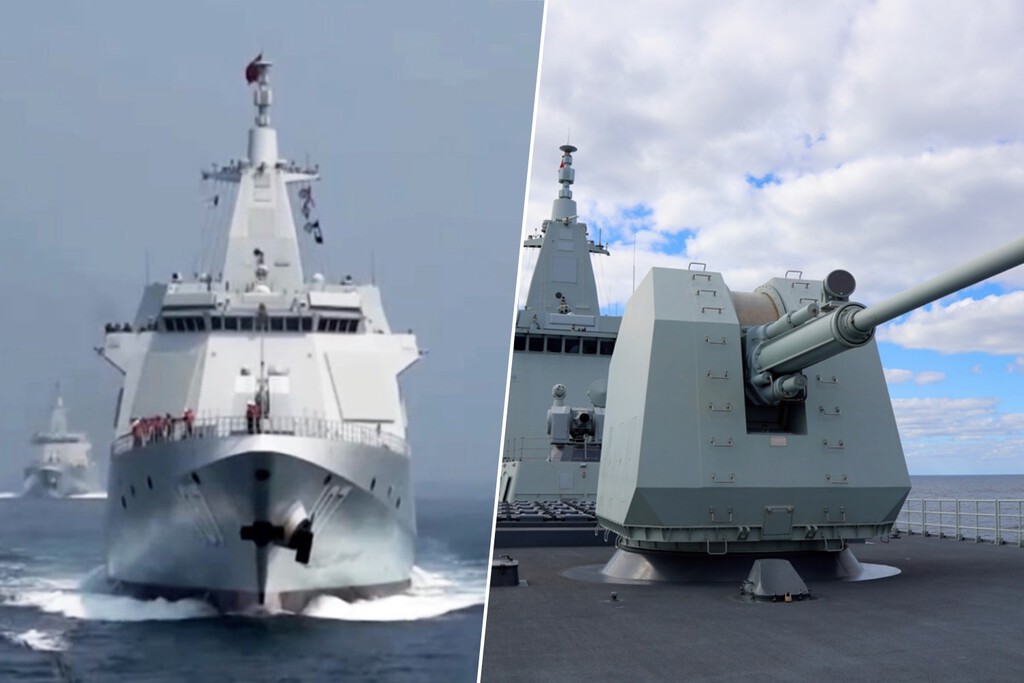
The response from Beijing was swift and measured in proximity. As Japan stepped further into the American security embrace, China responded by deploying its own warships closer to Japanese territory than in previous encounters. This tactical choreography serves as a reminder that in the Pacific, a change in posture—even one lasting only a few hours—can redefine how neighboring powers view one another for years to come. The "red lines" of the post-war era are being erased, replaced by a new, more volatile map of alignment.
With reporting from Xataka.
Source · Xataka