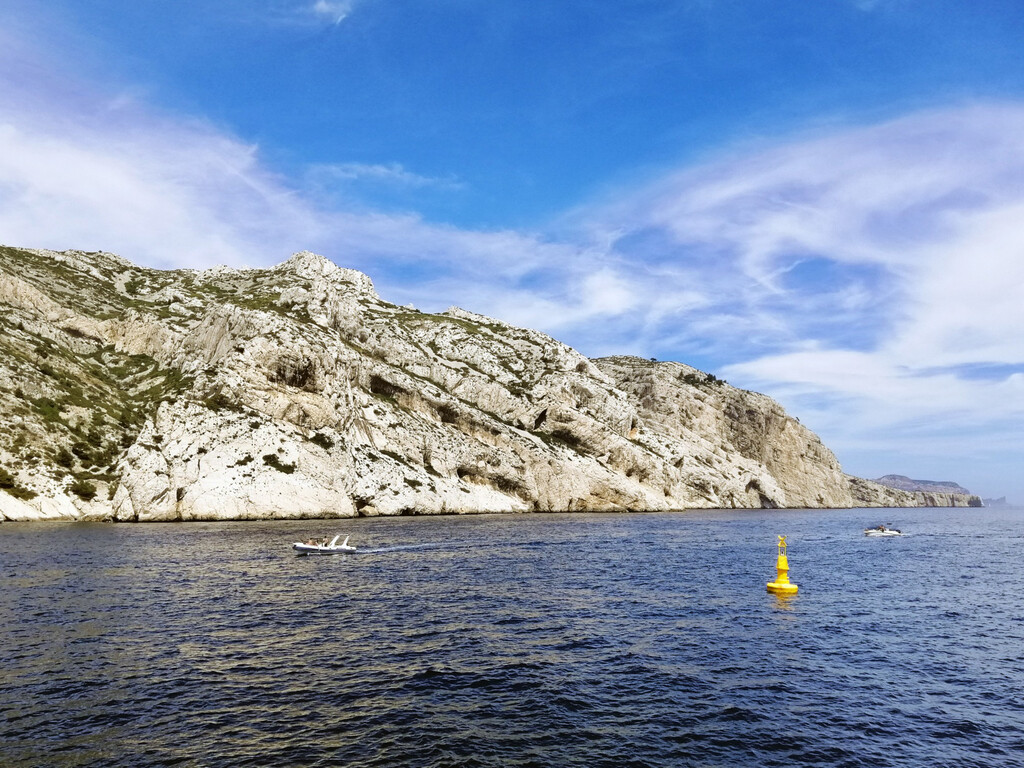
Roughly 5.96 million years ago, the Mediterranean Sea became a ghost of itself. During what geologists call the Messinian Salinity Crisis, the tectonic movement of the Strait of Gibraltar severed the basin from the Atlantic Ocean. Isolated and scorched, the waters evaporated, leaving behind a desolate expanse of salt flats kilometers thick. It was a planetary-scale scar that remained until the Zanclean age, when the Atlantic finally broke back through.
For years, the prevailing narrative of this reunion was one of cinematic violence. Known as the Zanclean Megaflood, the theory—popularized by a 2009 study in *Nature*—posited a sudden tectonic collapse that created a gargantuan waterfall at Gibraltar. According to this model, the Atlantic didn't just leak back in; it roared, carving a deep canyon and refilling the entire Mediterranean basin in a period ranging from a few months to a couple of years. It was an image of geological upheaval that felt more like a Hollywood set-piece than a slow earthly process.
However, recent scientific reassessments are beginning to introduce nuance to this "apocalyptic" vision. While the image of a massive breach remains a cornerstone of Mediterranean history, researchers are increasingly skeptical of the sheer speed and scale of the 2009 model. The geological record suggests that the transition may have been less of a singular, cataclysmic burst and more of a graduated series of events. As we refine our understanding of tectonic shifts and ancient sea levels, the great waterfall of Gibraltar is transitioning from a literal event into a more complex, and perhaps quieter, geological mystery.
With reporting from Xataka.
Source · Xataka