In Argentina, the rhythm of technological adoption is dictated by the quadrennial pulse of the World Cup. For many households, the tournament represents the definitive moment to modernize the living room, a cultural tradition where the pursuit of athletic glory is mirrored by a significant investment in high-end consumer electronics. This cycle has historically served as a reliable engine for the local television market, turning a sporting event into a primary driver of hardware evolution.
The most visible manifestation of this trend is the steady expansion of screen real estate. According to HS Jo, CEO and President of Samsung Latin America, the "standard" size for a primary home display has shifted dramatically over the last decade. In 2014, a 50-inch screen was considered the benchmark; by 2018, it grew to 55 inches, and reached 65 inches in 2022. As the 2026 World Cup approaches, the industry expects consumers to move toward 75-inch and larger formats, reflecting a broader shift in industrial design toward immersive, wall-spanning displays.
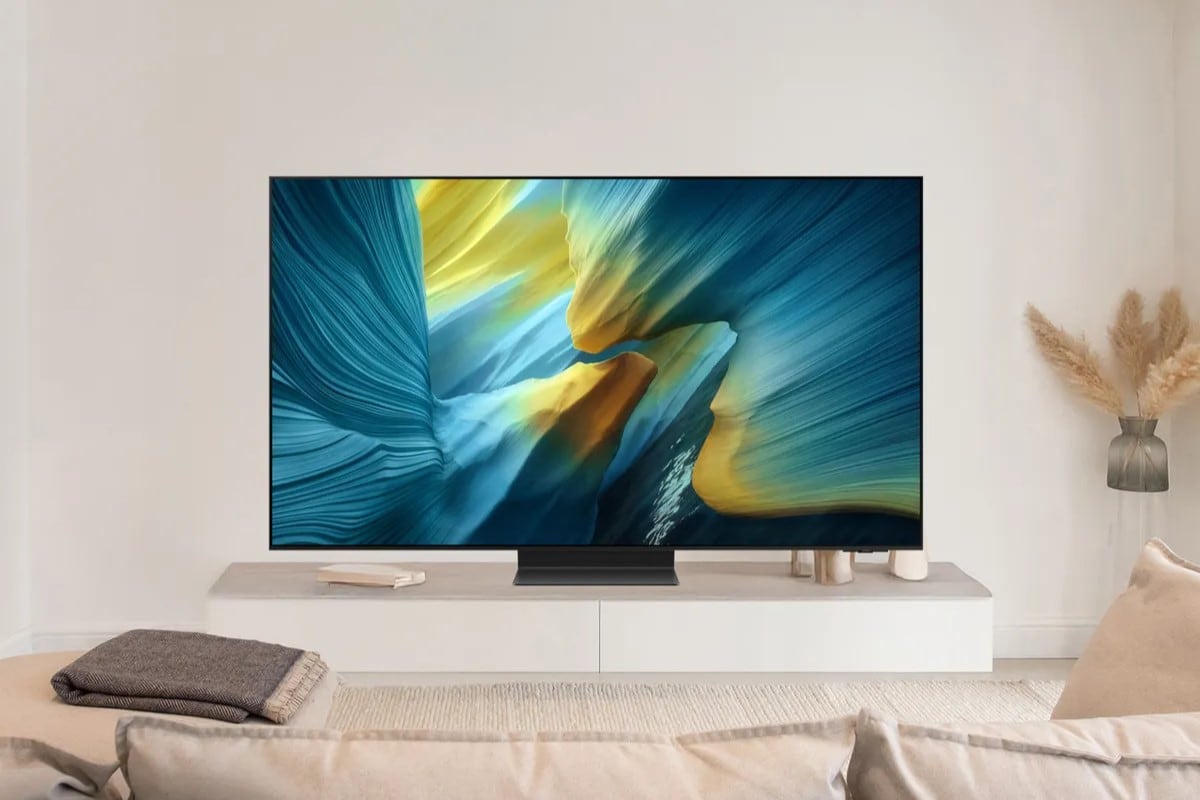
This year’s market entry of the Samsung OLED Vision AI 83 highlights the intersection of scale and computational power. It is no longer enough for a panel to be large; it must now be "intelligent." These newer units utilize AI-driven processing to upscale broadcasts and manage motion blur—critical features for the high-velocity movement of a football match. As the Argentine market prepares for the next tournament, the television has ceased to be a mere appliance, becoming instead a sophisticated piece of infrastructure designed to bridge the gap between the stadium and the home.
With reporting from La Nación.
Source · La Nación — Tecnología