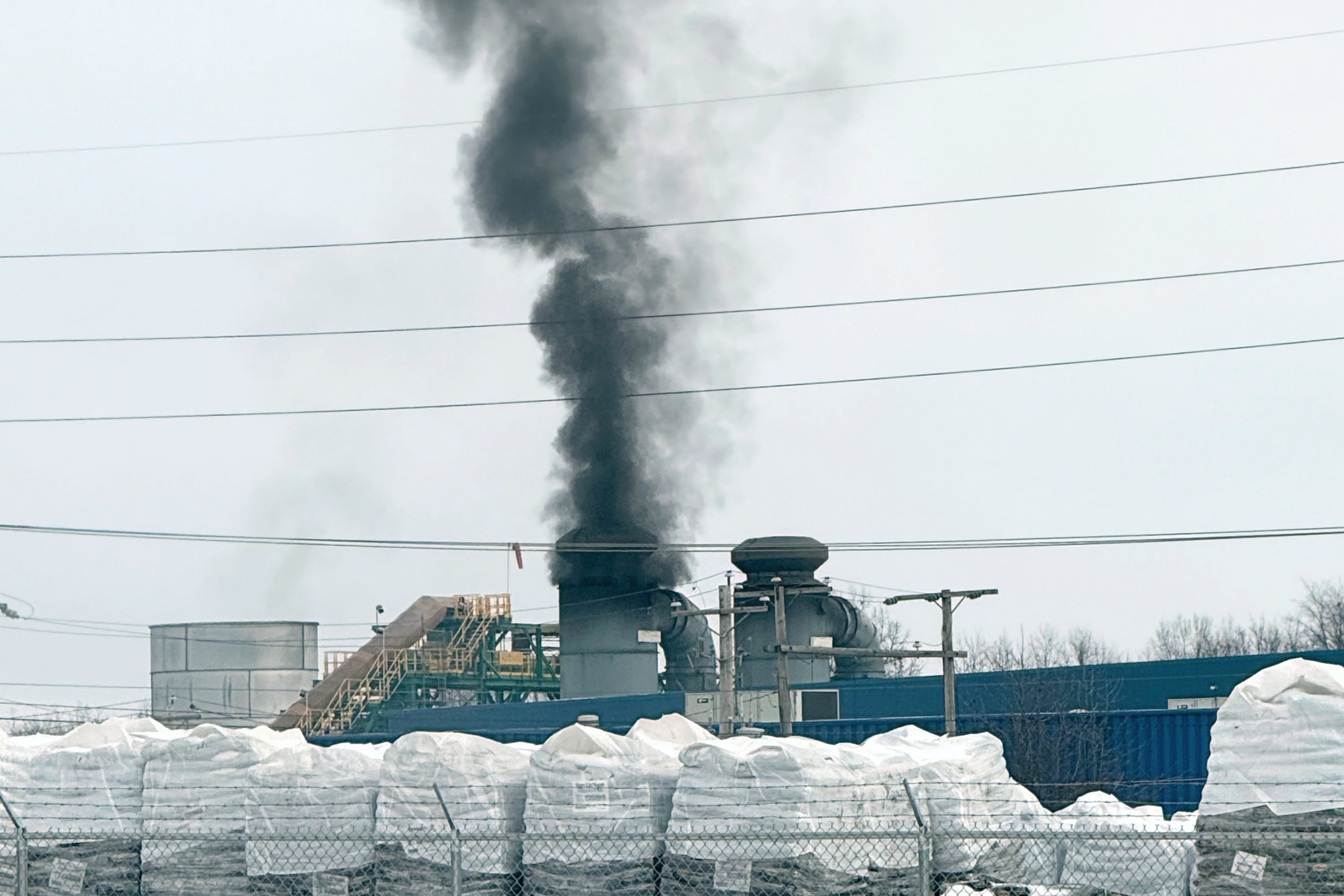
The promise of \"chemical recycling\" has long been the plastic industry’s favored answer to the global waste crisis. By using heat and chemicals to break down polymers into their basic molecular building blocks, companies like Freepoint Eco-Systems claim they can process materials that are otherwise unrecyclable. It is a vision of a closed-loop future, where plastic is not a pollutant but a perpetual resource.
Yet, the operational reality at Freepoint’s facility in central Ohio has provided a more complicated picture. The plant has recently drawn fire for belching smoke and violating environmental regulations, fueling concerns that the process is less a breakthrough in sustainability and more a sophisticated form of incineration. For local residents, the industrial output has been a visceral reminder of the gap between corporate messaging and physical impact.
These setbacks are now complicating Freepoint’s ambitions for a second, significantly larger factory in Arizona. As the company makes its case for expansion, it faces a growing coalition of environmental advocates who argue that the \"chemical recycling\" label obscures a legacy of industrial pollution. The debate highlights a fundamental tension in the green transition: the risk that new solutions to old problems may bring their own set of ecological costs.
With reporting from Inside Climate News.
Source · Inside Climate News