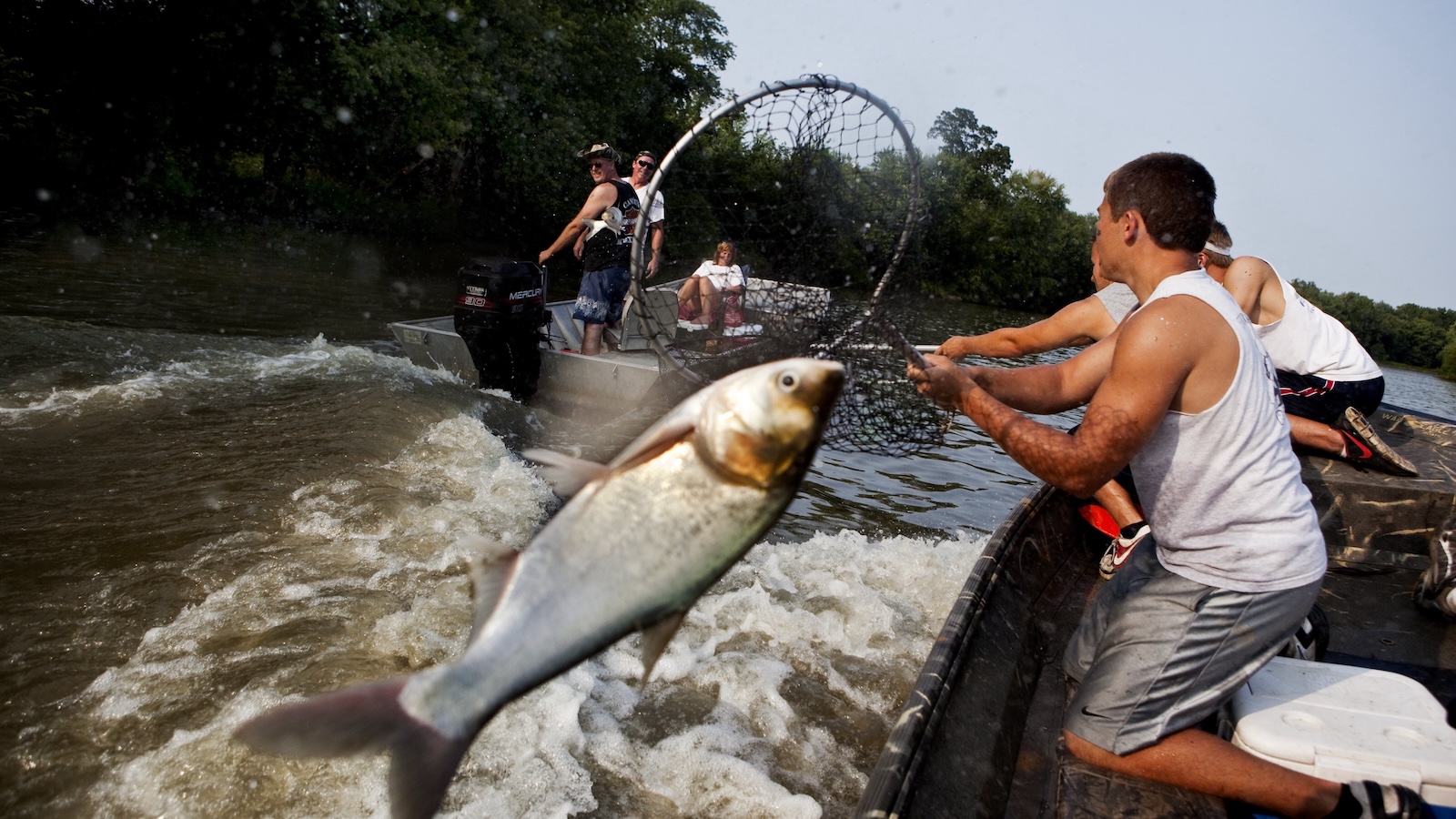
The silver carp, originally introduced to the United States roughly five decades ago to control algae in Southern wastewater treatment ponds, has spent the intervening years colonizing the Mississippi River basin with remarkable efficiency. The species — known for its prolific breeding and its dramatic tendency to leap from the water when startled by boat motors — now stands at the threshold of the Great Lakes, the largest surface freshwater system on Earth. A $1.15 billion engineering project designed to halt that advance has become one of the more unusual flashpoints in the ongoing political standoff between the Trump administration and Illinois Governor JB Pritzker.
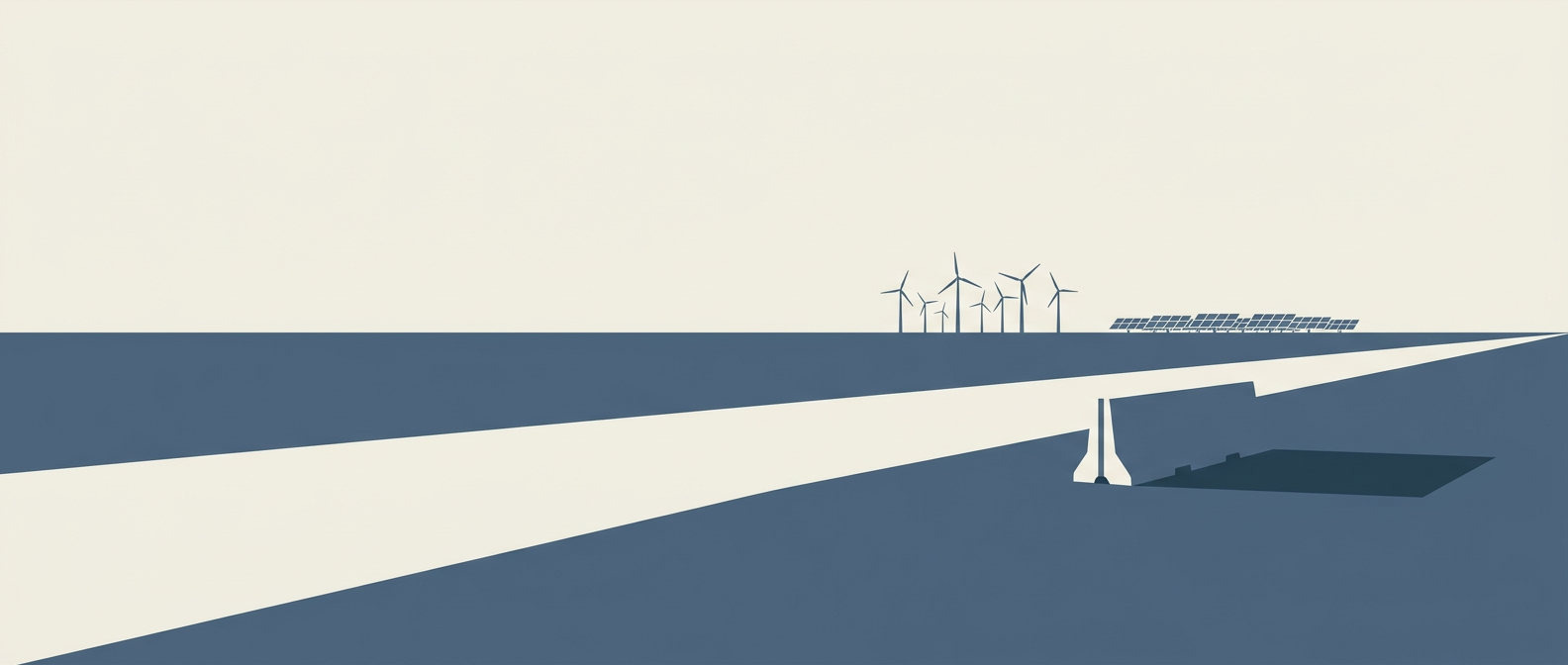
The project in question is the Brandon Road Interbasin Project, situated near Joliet in suburban Chicago. It represents what engineers and ecologists have described as a "last line of defense" — a complex suite of deterrents including an electric barrier, acoustic blasts, a "bubble curtain," and a specialized lock engineered to flush out fish that might otherwise hitchhike through the waterway on barge traffic. If invasive carp were to establish breeding populations in the Great Lakes, the consequences for the region's commercial and recreational fisheries — an economic engine worth billions annually — could be severe and largely irreversible.
Infrastructure as Political Terrain
The Trump administration recently announced it would strip Illinois of its management role in the project, transferring oversight from the Army Corps of Engineers' Rock Island District to its Detroit office in Michigan. Assistant Secretary of the Army for Civil Works Adam Telle framed the decision as a matter of necessity, accusing Illinois of using its influence to "play games" and characterizing the state as an unreliable partner. The administration said the move would allow the project to proceed more "aggressively."
For Governor Pritzker, the reassignment fits a familiar pattern. The Illinois governor has clashed repeatedly with the White House on matters ranging from immigration enforcement to federal funding, and the Brandon Road decision reads less as a technocratic adjustment than as another instrument in a broader campaign of political pressure. Federal infrastructure projects have long served as leverage in disputes between Washington and state capitals — funding delays, regulatory conditions, and management reshuffles all carry implicit signals about which governors enjoy favor and which do not. The carp barricade, however improbable the subject matter, is no exception.
The shift to Michigan also introduces a layer of interstate complexity. The Great Lakes are shared by eight U.S. states and two Canadian provinces, and the politics of their management have historically required delicate negotiation. Michigan has long been among the most vocal states demanding aggressive action against invasive carp, in part because its fishing and tourism industries face direct exposure. Moving project oversight to Detroit may satisfy Michigan's political interests, but it raises questions about coordination with Illinois agencies whose cooperation remains essential — the physical infrastructure, after all, sits on Illinois waterways.
Ecological Stakes Beyond the Politics
The biological urgency has not changed. Invasive carp species, including silver carp and bighead carp, are filter feeders that consume vast quantities of plankton, directly competing with native fish species at the base of the food chain. Their establishment in the Great Lakes would likely reshape aquatic ecosystems that have already been stressed by decades of pollution, habitat loss, and earlier waves of invasive species such as zebra mussels and sea lamprey. The Great Lakes region has spent billions over the past half-century attempting to manage those earlier invasions with mixed results.
The Brandon Road project has been in planning and authorization stages for years, and its timeline has already been subject to delays driven by cost disputes, engineering complexity, and disagreements over cost-sharing between federal and state governments. Whether a change in management accelerates or further complicates that timeline remains an open question — one that depends less on organizational charts than on whether the political actors involved view the project primarily as an ecological imperative or as a bargaining chip.
What is clear is that the carp continue their advance indifferent to jurisdictional boundaries. The tension now sits between two competing dynamics: a federal government asserting control in ways that carry unmistakable political overtones, and a state government whose cooperation remains practically necessary regardless of who holds nominal oversight. How that tension resolves — or whether it simply persists while construction timelines stretch further — will determine whether the Great Lakes' most ambitious ecological defense project delivers on its engineering promise or becomes a case study in how politics can complicate even the most straightforward imperatives.
With reporting from Grist.
Source · Grist