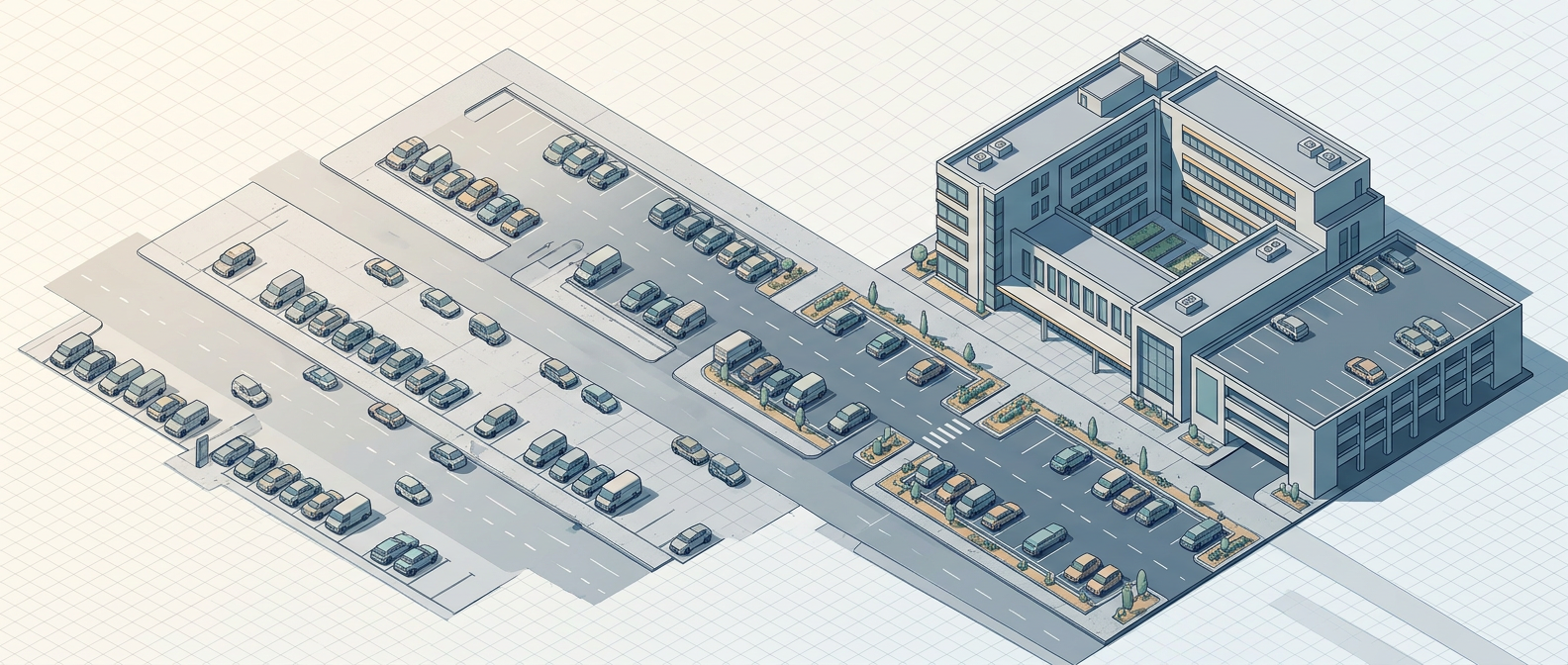
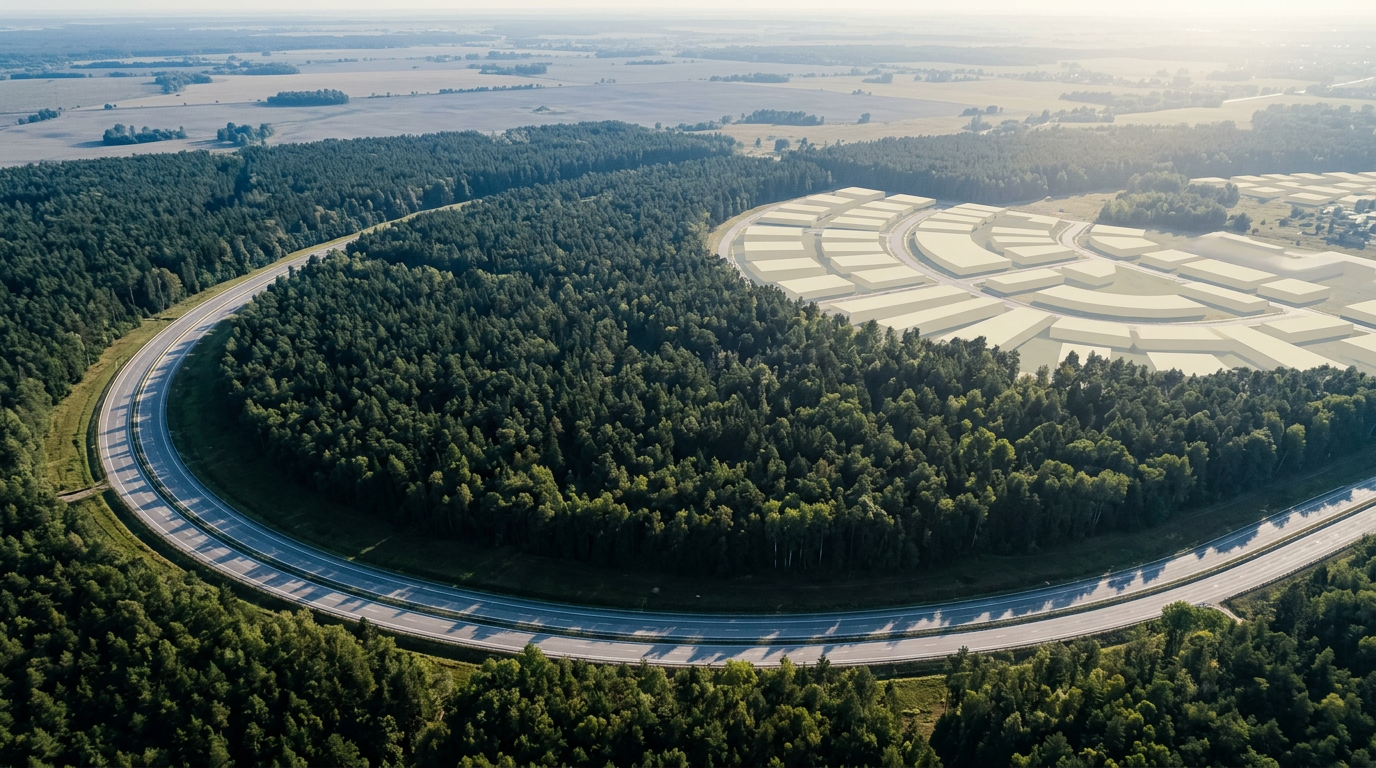
The transition to a carbon-free grid often hits a physical wall where infrastructure meets the suburbs. In Escondido, California, that wall proved insurmountable for AES Corp. The independent power producer recently withdrew its application for the "Seguro" battery storage system, a project intended to bolster the regional grid roughly 30 miles north of San Diego. The decision follows months of intense local pushback centered on the project's proximity to residential neighborhoods and a major hospital.
The withdrawal marks another case in which a utility-scale energy project, designed to support the very decarbonization goals that enjoy broad public approval, collapsed under the weight of localized opposition. It also raises a structural question for California's energy planners: if battery storage cannot be sited near the population centers it is meant to serve, where exactly can it go?
The siting dilemma at the heart of grid storage
Grid-scale battery storage — typically lithium-ion systems housed in large container arrays — has become a cornerstone of California's strategy to manage the intermittency of solar and wind generation. The state's grid operator has repeatedly relied on battery discharge during evening demand peaks, particularly as solar output drops after sunset. Without sufficient storage capacity distributed across the grid, the risk of curtailment — wasting renewable energy that cannot be absorbed in real time — grows in tandem with every new solar installation.
But the physical footprint of these facilities creates friction. A utility-scale battery project can occupy several acres, requires industrial-grade fire suppression infrastructure, and generates operational noise. The core safety concern raised by opponents in Escondido — "thermal runaway," a cascading chemical reaction inside lithium-ion cells that can produce intense heat and toxic fumes — is statistically uncommon but not without precedent. Battery fires at storage facilities in Arizona and New York in recent years drew national attention and fed a narrative of risk that project developers have struggled to counter at the local level.
The result is a pattern familiar from other infrastructure debates: broad support for the category of technology, paired with fierce resistance to any specific instance of it. The dynamic mirrors the headwinds faced by wind farms, transmission lines, and even housing developments across the United States. In energy policy, it is sometimes described as a variant of "not in my backyard" politics, though the label can obscure legitimate concerns about emergency response capacity and land-use compatibility.
Social license as infrastructure bottleneck
For AES Corp., one of the largest independent power producers in the United States, the Escondido withdrawal is a tactical retreat, not a strategic pivot. The company operates battery storage assets across multiple states and continues to develop projects elsewhere in California. But the episode underscores a growing mismatch between the pace at which state regulators and utilities want to deploy storage and the pace at which communities are willing to accept it.
California's regulatory framework has pushed aggressively for storage procurement, and the state's grid operator has signaled that tens of thousands of megawatts of additional capacity will be needed over the coming decades to meet legislated climate targets. Achieving that scale requires not only capital and manufacturing capacity but also a pipeline of permitted sites — a resource that is proving scarcer than the batteries themselves.
Some jurisdictions have responded by establishing clearer zoning guidelines for energy storage, attempting to reduce uncertainty for both developers and residents. Others have explored co-location strategies, placing batteries at existing substations or industrial sites where land-use conflicts are less acute. Neither approach eliminates opposition, but both aim to channel it into a more predictable process.
The tension in Escondido is unlikely to remain an isolated case. As storage deployment scales, the geography of suitable sites will narrow, pushing projects closer to the residential and commercial areas where electricity demand is highest. The engineering challenge of building safe, high-capacity battery systems is largely solved. The political challenge of placing them is not — and it may prove to be the harder constraint on California's grid transformation.
With reporting from Canary Media.
Source · Canary Media