On August 12, 2026, a total solar eclipse will sweep across parts of Europe, marking a rare celestial alignment that has not been visible in the region for decades. For observers in France, Spain, Iceland, and other countries along the path of totality, the event promises a few minutes of extraordinary astronomical spectacle — the moon sliding precisely between Earth and the sun, revealing the solar corona in full. But months before the sky darkens, a more terrestrial concern is already surfacing: the supply chain for certified eclipse-viewing hardware.
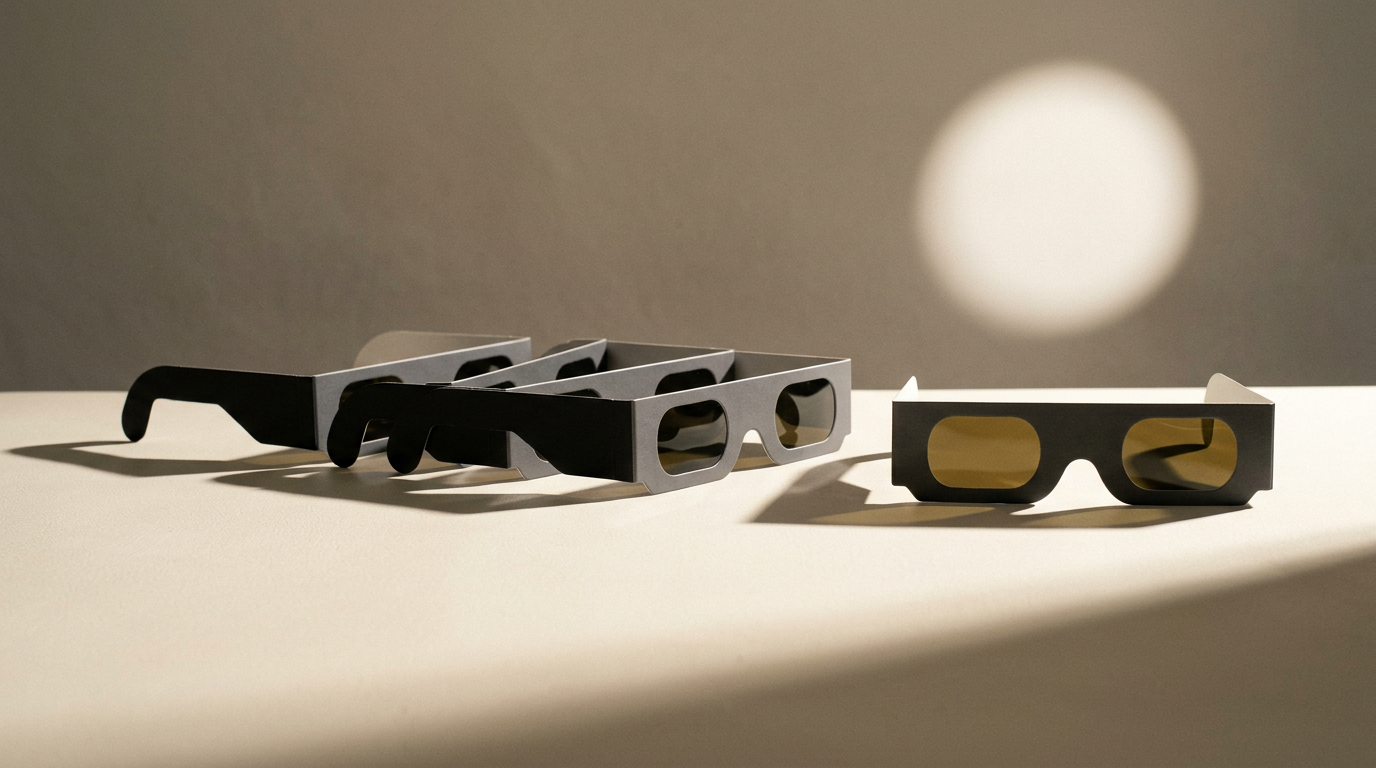
Experts are warning that the window for securing ISO-certified solar eclipse glasses is narrowing faster than casual observers might expect. The concern is not abstract. Viewing a solar eclipse — even a partial phase — without proper filtration can cause solar retinopathy, a form of permanent retinal damage that occurs when concentrated sunlight burns photoreceptor cells. Standard sunglasses, regardless of tint or UV rating, offer no meaningful protection. Only filters meeting the ISO 12312-2 standard, which blocks all but a fraction of visible and infrared light, are considered safe for direct solar observation.
A Familiar Pattern of Scarcity
The logistics of eclipse-viewing equipment follow a well-documented cycle. Demand for certified glasses is negligible in normal years, which means manufacturers produce them in limited quantities. When a major eclipse approaches a densely populated region, demand spikes sharply and supply struggles to keep pace. The result is predictable: shortages, price inflation, and — most dangerously — a flood of counterfeit products that mimic the appearance of certified filters without meeting the underlying optical standards.
This pattern played out visibly during the total solar eclipse that crossed the United States in August 2017. In the weeks before the event, reports emerged of fraudulent glasses sold through major online retailers, some bearing fake ISO certification marks. Consumer protection agencies issued warnings, and several vendors pulled products from shelves. A similar dynamic surrounded the April 2024 total eclipse over North America, where demand once again outpaced the capacity of legitimate manufacturers. The European market, which has not faced comparable demand pressure in recent memory, may be particularly vulnerable to the same bottleneck.
France's position along the eclipse path makes it a focal point for both domestic and international observers. Tourism infrastructure, astronomy associations, and municipal governments will all face the question of how to provide safe viewing options at scale. For a country that takes public health obligations seriously — and where liability frameworks around consumer safety are robust — the stakes extend beyond individual preparedness into institutional planning.
The Mundane Heart of Celestial Events
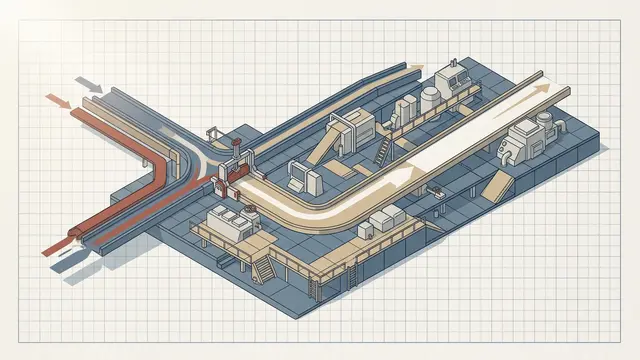
There is a recurring irony in eclipse logistics: the most awe-inspiring astronomical events depend, at the point of human experience, on the most prosaic industrial products. A pair of eclipse glasses is a simple object — cardboard frame, polymer solar filter — yet its certification, manufacture, distribution, and authentication involve a supply chain that spans optical engineering standards bodies, specialized manufacturers (most of them small), and retail channels that are poorly equipped to vet product authenticity under surge conditions.
For observers, the practical calculus is straightforward. Purchasing certified glasses from established vendors — astronomy organizations, museum shops, verified optical suppliers — well ahead of the event eliminates the risk of encountering counterfeit products or empty shelves. For institutions, the calculus is slightly more complex: bulk orders placed months in advance may be the only reliable way to secure inventory, given that manufacturers will face competing demand from multiple countries along the eclipse path.
The broader tension is one that recurs across many domains where rare events meet mass participation. Preparation that feels premature in April 2026 will look prudent by July, and essential by August. The eclipse itself will last only minutes. The consequences of inadequate preparation — whether economic, logistical, or medical — will last considerably longer. Whether European supply chains and regulatory bodies absorb the lesson of previous eclipses in time to prevent a repeat remains an open question, and one that the coming months will answer in practice rather than theory.
With reporting from Numerama.
Source · Numerama