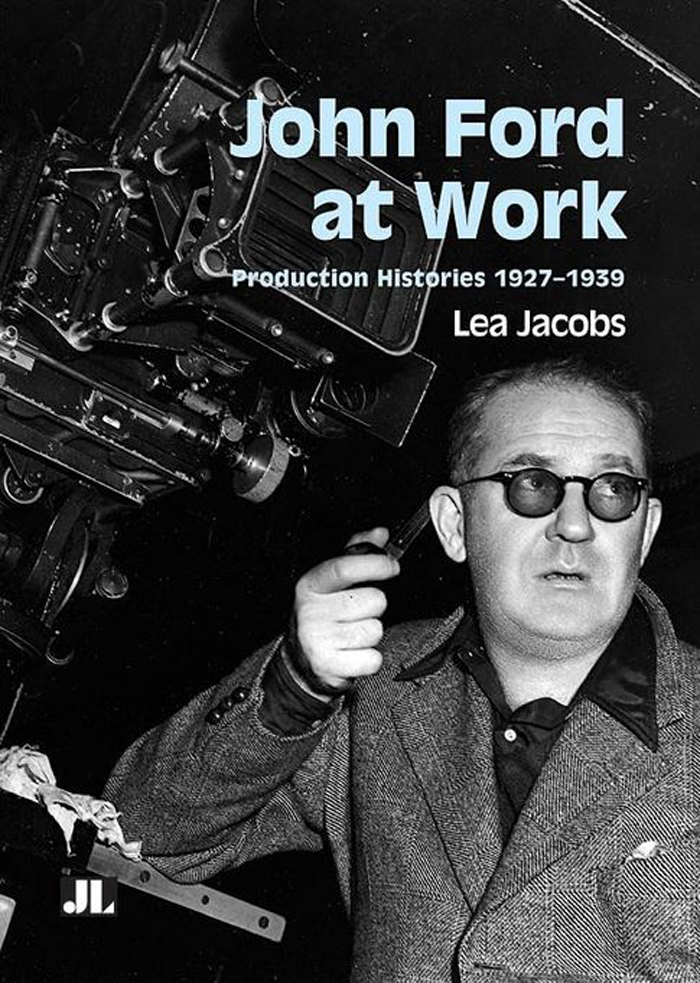
The cinematic legacy of John Ford is often discussed in the hushed tones of high art, yet his mastery was forged within the rigid, clanking machinery of the Hollywood studio system. In her new book, *John Ford at Work: Production Histories from 1927 to 1939*, Lea Jacobs shifts the focus from the myth of the lone auteur to the complex realities of the production line. By examining the period between the late silent era and the release of *Stagecoach*, Jacobs provides a granular look at how Ford navigated the transition to sound and the evolving economics of the studio era.
The work emerges from the scholarly tradition at the University of Wisconsin-Madison, where film history is treated as a confluence of three distinct streams: industrial economics, technological evolution, and aesthetic analysis. Rather than viewing Ford’s stylistic choices in a vacuum, Jacobs draws on archival production records to show how the constraints of the studio—from budget allocations to the introduction of new sound technologies—directly informed the visual language that would define mid-century American cinema.
This approach offers a necessary corrective to traditional film biography. By detailing the day-to-day friction between a director’s vision and a studio’s requirements, Jacobs reveals a Ford who was as much a pragmatic technician as he was a poet of the Western. It is a study of how art survives, and often thrives, because of the systems built to contain it.
With reporting from David Bordwell Blog.
Source · David Bordwell Blog