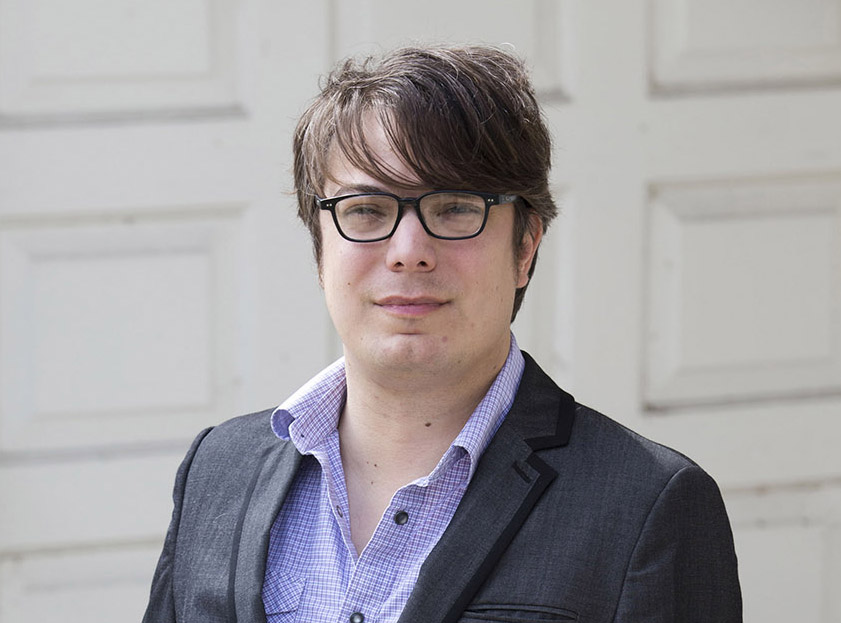
The philosophical community is mourning the sudden loss of Dale Dorsey, a thinker whose work rigorously interrogated the foundations of how we live and what we owe to ourselves. Dorsey, who had recently joined the faculty at the University of Oxford’s Somerville College in 2025, died this year at the age of 50. His transition to Oxford followed a long and influential sixteen-year tenure at the University of Kansas, where he established himself as a central figure in contemporary moral philosophy.
Dorsey’s intellectual legacy is defined by a prolific output that tackled the complexities of "welfarism" and the architecture of human flourishing. In works such as *The Basic Minimum: A Welfarist Approach* (2012) and *A Theory of Prudence* (2021), he explored the rational requirements of well-being with a precision that was both historically informed—drawing on the work of Francis Hutcheson—and analytically modern. His 2016 volume, *The Limits of Moral Authority*, was particularly noted for challenging the entrenched assumption that moral requirements must always override personal interest, carving out a nuanced space for individual agency within ethical systems.
Beyond the rigor of his monographs, Dorsey was remembered by colleagues as a philosopher of immense curiosity and wit. His career, which began with degrees from Drake University, Tufts, and UC San Diego, was marked by a rare combination of intellectual depth and personal warmth. At the time of his passing, he was preparing a new work, *On Fellowship*, a title that reflects the spirit of open-mindedness and humor he brought to the discipline. His departure leaves a significant void in the study of what it means to live a good life.
With reporting from *Daily Nous*.
Source · Daily Nous