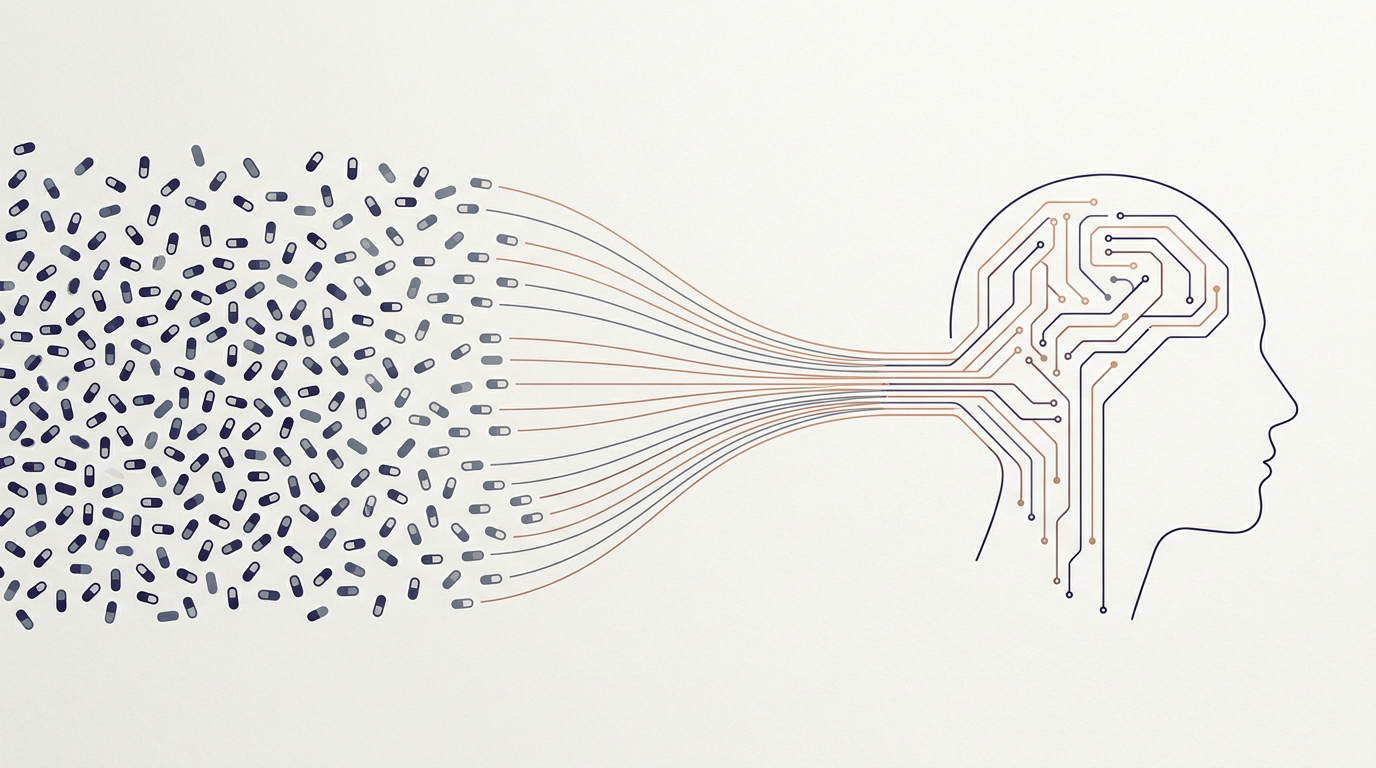
The landscape of psychiatric treatment, long dominated by the systemic administration of selective serotonin reuptake inhibitors (SSRIs), is undergoing a subtle but profound reconfiguration. According to reporting from The New York Times, the Food and Drug Administration has recently granted approval for an at-home brain stimulation headset designed to deliver mild electrical currents to the brain. This regulatory milestone represents more than a mere technological iteration; it marks the arrival of neuro-modulation in the domestic sphere, effectively decoupling the administration of complex psychiatric therapy from the clinical confines of hospitals and specialized outpatient centers.
For decades, the standard of care for depression and related mood disorders has been predicated on the pharmacological management of neurotransmitters. While efficacious for a significant subset of the population, the pill-centric paradigm has faced persistent criticism regarding its systemic side effects, the variability of patient response, and the often-lengthy trial-and-error process involved in finding the correct dosage. The introduction of accessible, FDA-sanctioned electrical stimulation devices suggests that the industry is beginning to pivot toward a more localized, biophysical approach to mental health, potentially challenging the hegemony of traditional psychopharmacology.
The Historical Constraints of Pharmacological Dominance
To understand the significance of this shift, one must consider the historical trajectory of psychiatry over the last half-century. Since the mid-1980s, the psychiatric field has been heavily defined by the development and marketing of SSRIs, which revolutionized the treatment of depression by providing a relatively safe, scalable, and manageable way to address mood regulation. This approach, while highly successful in terms of public health outcomes and accessibility, essentially treated the brain as a chemical ecosystem that could be balanced through systemic infusion. The inherent limitation of this model, however, is its lack of specificity; pharmacological agents circulate throughout the entire body, leading to the well-documented profile of side effects that often result in patient non-compliance.
Structural factors have further entrenched this reliance on pills. The economic incentives of the healthcare system, particularly in the United States, are optimized for the distribution of pharmaceuticals. Clinical pathways, insurance reimbursement structures, and the training of general practitioners are all deeply integrated into a model where a prescription is the primary mechanism of intervention. Moving toward neuro-modulation requires not only a technological leap but a fundamental restructuring of how healthcare systems value and reimburse non-drug therapies. This transition is not merely about the hardware; it is about shifting the burden of treatment from a passive, systemic chemical intake to a more active, targeted, and localized engagement with the brain's electrical circuitry.
Mechanisms of Change and the Shift Toward Targeted Modulation
At the core of the move toward brain stimulation is the concept of neuro-plasticity and the ability to influence neural networks through external energy input rather than chemical modulation. By utilizing weak electric currents—often referred to as transcranial direct current stimulation—these devices aim to modulate the excitability of specific cortical regions associated with mood regulation. Unlike SSRIs, which require weeks or even months to achieve a therapeutic effect as they alter brain chemistry, electrical stimulation offers the possibility of more immediate, localized intervention. This mechanism changes the fundamental nature of the patient-provider relationship, moving it from a monitoring-based model to one that resembles a form of bio-feedback or physical therapy.
This shift is also driven by the increasing sophistication of neuro-imaging and diagnostic tools that allow researchers to map the specific neural circuits involved in depression with unprecedented clarity. As our understanding of the brain's connectivity improves, the desire to move away from 'blunt force' chemical tools becomes more pronounced. If a specific circuit is identified as underactive or dysregulated, the logical goal is to target that circuit directly. This technological evolution mirrors the broader trend in precision medicine, where the goal is to minimize systemic impact while maximizing therapeutic precision. However, the mechanism also introduces new complexities, such as the need for accurate patient self-application and the potential for long-term physiological adaptation that is not yet fully understood by the clinical community.
Stakeholder Implications and Systemic Tensions
For regulators, the approval of these devices creates a challenging precedent. The FDA must now navigate the balance between fostering innovation in mental health and ensuring that home-use devices are safe, effective, and not subject to misuse or placebo-driven over-reliance. Competitors in the pharmaceutical sector may view this as a potential threat to their market share, yet many large companies are already diversifying their portfolios to include digital therapeutics and neuro-tech. The tension here lies in the integration of these technologies into existing care pathways; if a patient is using a headset at home, the role of the psychiatrist shifts from a prescriber to a technical supervisor or data analyst, requiring a significant evolution in clinical training and practice.
Consumers, meanwhile, are presented with a new level of agency, but also a new level of responsibility. The shift to at-home care implies that the patient becomes the primary operator of their treatment protocol. This democratizes access to advanced therapy but also raises concerns about equity and the digital divide. If effective treatment requires expensive hardware and reliable access to high-quality digital health interfaces, the gap in mental health outcomes between different socioeconomic groups could widen. Furthermore, the role of insurance providers remains a significant variable; without robust coverage, these devices may become luxury goods rather than standard-of-care medical interventions.
The Unresolved Questions of Long-term Efficacy
Despite the enthusiasm surrounding the potential of neuro-modulation, significant uncertainties remain. The most critical question concerns the long-term durability of the effects produced by these devices. While initial clinical trials may demonstrate positive outcomes over a period of weeks, the psychiatric community lacks extensive longitudinal data on how the brain responds to consistent, long-term electrical stimulation. Furthermore, the potential for 'home-brew' modifications or the use of unverified, off-market devices poses a risk to patient safety that is difficult to police in a decentralized, at-home setting. The scientific community must now grapple with how to standardize these protocols to ensure consistent results across a diverse, non-clinical patient population.
Looking forward, the integration of these devices into the broader psychiatric toolkit will likely be incremental rather than disruptive. The goal of the medical community will be to determine which patient profiles are best suited for neuro-electrical intervention versus traditional pharmacology, or potentially, how the two can be used in tandem to enhance outcomes. As the data accumulates, the regulatory and clinical standards will inevitably evolve, but the fundamental challenge of defining success in mental health—moving beyond symptom management toward actual neural regulation—remains the central objective for the next generation of psychiatric research.
As the medical community continues to navigate the complexities of these new neuro-technological tools, the long-term impact on the pharmaceutical-heavy status quo remains an open question. The transition toward localized stimulation is clearly underway, yet the integration of such interventions into the daily lives of patients requires a level of oversight and validation that is still in its nascent stages. The future of psychiatric care will likely depend on how effectively these two approaches—the chemical and the electrical—can be harmonized to serve the diverse needs of the patient population.
With reporting from The New York Times
Source · The New York Times — Science