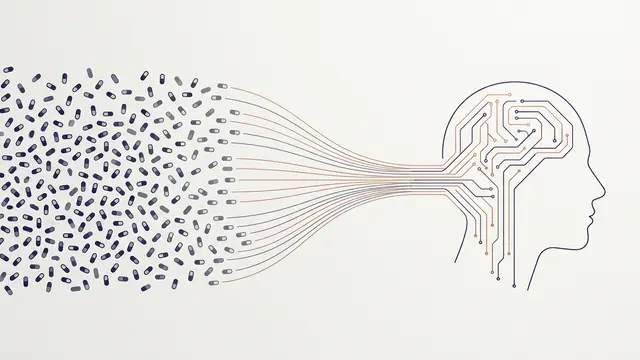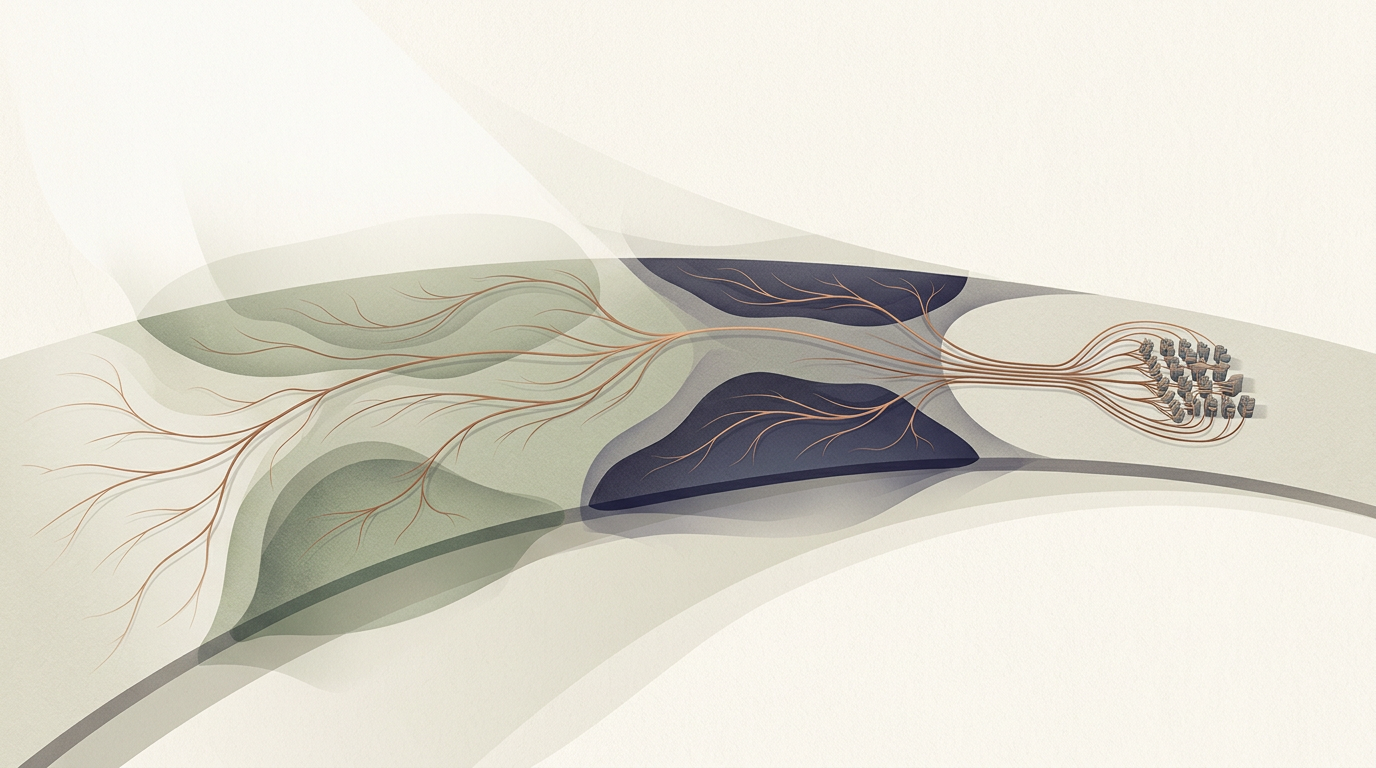
For decades, the prevailing consensus in neurobiology held that the millions of olfactory receptors lining the nasal cavity were distributed in a largely stochastic, or random, fashion. This perceived lack of order was often cited as a primary reason for the difficulty in mapping the sense of smell compared to the more straightforward topography of vision or hearing. However, two recent studies have effectively dismantled this view, demonstrating that these receptors are arranged according to a distinct, precise spatial logic that governs how odors are initially detected and encoded before being transmitted to the olfactory bulb.
According to reporting by The New York Times, researchers have identified that specific zones within the nasal epithelium correspond to distinct classes of odorants, suggesting an underlying architecture that is far more sophisticated than previously understood. This finding marks a significant departure from the traditional model of olfactory reception, providing a foundational framework that could reshape our understanding of how the brain translates chemical inputs into recognizable scents. By establishing that the nose acts as a structured sensor array rather than a chaotic filter, these findings offer a new path for investigating the complexities of human perception and the evolution of sensory systems.
The Structural Logic of the Nasal Cavity
The assumption that olfactory receptors were randomly distributed was not merely a failure of observation, but a reflection of the sheer complexity of the olfactory system. Unlike the photoreceptors in the retina, which are fixed in a rigid grid to process light, olfactory neurons are constantly regenerating, a process that led many scientists to believe that order was impossible to maintain. The new evidence suggests that while individual neurons may be replaced, the underlying spatial program that dictates their placement remains robust and consistent across individuals. This implies that the nose is not just a passive gateway for air, but an active, pre-processing organ that organizes data before it ever reaches the brain.
This spatial organization likely serves an evolutionary purpose, allowing the system to prioritize certain chemical signals that are critical for survival, such as the detection of toxins, food sources, or pheromones. By clustering receptors that respond to similar chemical structures in specific regions, the nasal cavity may be optimizing the signal-to-noise ratio in an environment saturated with thousands of different volatile compounds. This structural arrangement acts as a biological filter, effectively grouping related chemical information into manageable spatial patterns that the olfactory bulb can then decode with greater efficiency. The discovery of this map suggests that the brain’s ability to interpret smell is significantly bolstered by the preparatory work done at the point of initial contact.
Mechanisms of Chemical Encoding
The mechanism behind this spatial precision appears to rely on a complex interplay of genetic signaling and developmental cues that guide neurons to their designated locations during both initial growth and subsequent regeneration. If the receptors were truly random, the brain would require an infinitely more complex computational process to identify and categorize odors. By creating a topographical map, the body simplifies the task of sensory processing, effectively offloading some of the analytical burden from the central nervous system to the peripheral sensory organ. This is a common theme in biological systems, where efficiency is gained through localized, specialized hardware.
Consider the implications for how we perceive complex scents, such as the aroma of a coffee bean or a blooming flower, which are composed of hundreds of individual volatile molecules. In the traditional model, the brain would have to integrate scattered inputs from across the entire nasal cavity to form a coherent picture of the scent. With a structured map, the brain can look for specific patterns of activity across defined zones, much like how a digital camera uses an array of pixels to capture an image. This spatial encoding allows for a more rapid and accurate identification of odors, providing a biological basis for the remarkable sensitivity and range of human olfaction. The study of these zones provides a new mechanism for how the brain might distinguish between similar chemical compounds that would otherwise be indistinguishable if the receptors were scattered without a pattern.
Implications for Sensory Research and Diagnostics
The existence of a precise olfactory map has profound implications for researchers working in neuroscience, endocrinology, and even artificial intelligence. For regulators and public health officials, understanding the architecture of smell could lead to better diagnostics for olfactory disorders, which are often precursors to neurodegenerative diseases like Parkinson's or Alzheimer's. If we can map the structure of the nose, we can potentially develop non-invasive tests that identify damage to specific receptor zones, providing early warning signs for conditions that currently lack clear, early-stage biomarkers. This shifts the focus from the brain's processing of scent to the integrity of the peripheral sensor array itself.
For the private sector, particularly in industries ranging from food science to fragrance development, this discovery offers a potential roadmap for creating more effective synthetic scents and flavorings. If we can understand how the nose organizes chemical information, we can better predict how specific molecular structures will be perceived by the human system. This could lead to the development of more efficient olfactory sensors, or 'electronic noses,' that mimic the biological efficiency of the human nose. By leveraging the same spatial mapping principles found in nature, developers could create sensors that are far more sensitive and capable of discriminating between complex mixtures than current technology allows.
Outlook and Open Questions
While the discovery of a spatial map is a landmark achievement, it raises as many questions as it answers. We still do not fully understand how this map is maintained throughout a lifetime of neuronal turnover, or how individual variations in this map might influence an individual's unique sense of smell. Furthermore, the degree to which this map is plastic—capable of changing in response to environmental exposure or learning—remains a subject of intense interest. If the map is fixed, it suggests a hard-wired system; if it is dynamic, it suggests a system capable of adapting to the specific chemical landscape of an individual's environment.
Future research will likely focus on the genetic pathways that govern this spatial distribution and whether these patterns are universal across all humans or if they vary significantly based on genetic background or developmental history. As these studies progress, we may also uncover how this spatial logic interacts with the brain's higher-order processing centers to create the subjective experience of smell. The transition from a view of the nose as a chaotic, random array to a highly organized sensory organ is just the beginning of a broader reassessment of how our chemical senses shape our engagement with the world. The mapping of the nose is a foundational step in demystifying one of the most enigmatic human senses.
The implications of this research extend far beyond the laboratory, touching upon how we understand the very architecture of human perception and the limits of biological engineering. As the scientific community continues to map the precise coordinates of our olfactory system, the question remains whether this newfound order will lead to a more profound understanding of the brain's own internal maps and how they interact with the external world. With reporting from The New York Times
Source · The New York Times — Science