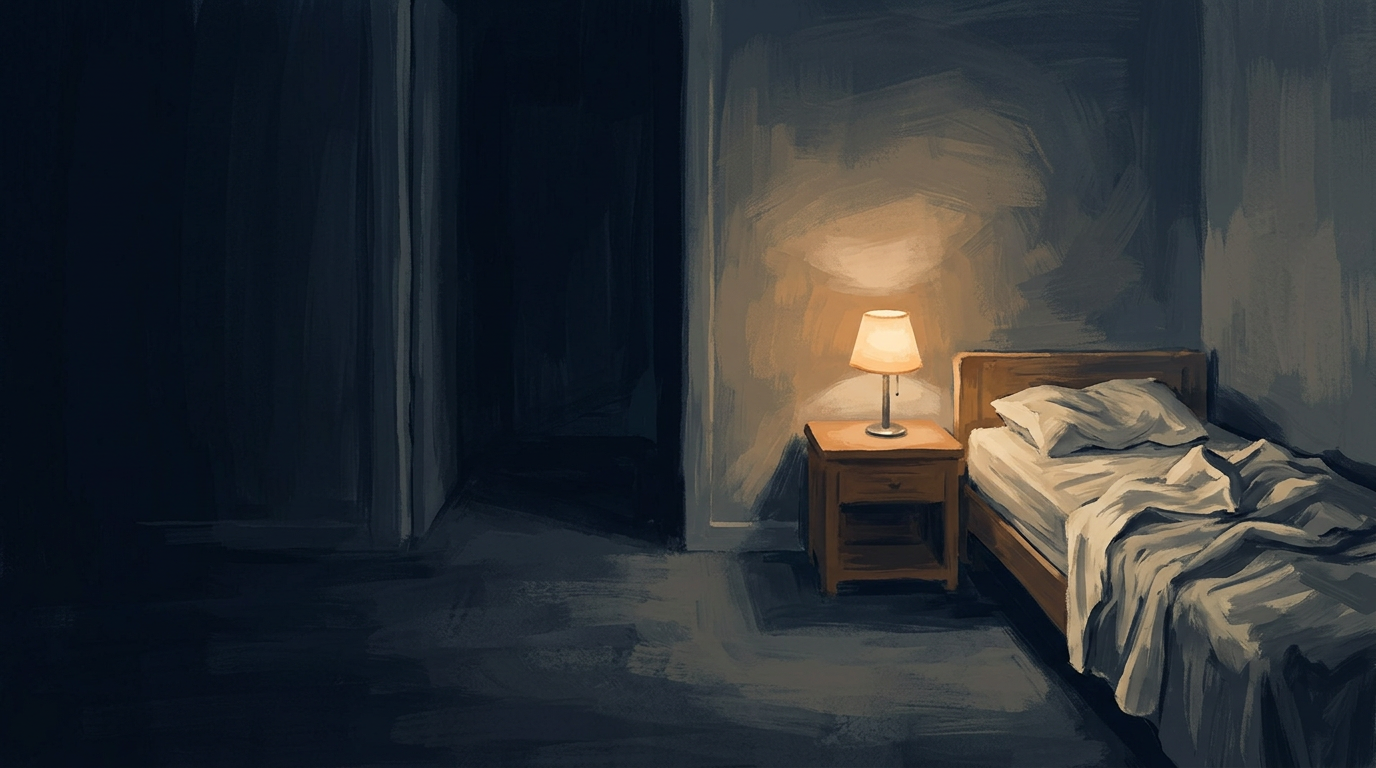
The phenomenon of nocturnal anxiety is a familiar experience for many, characterized by a sudden, intense surge of worry that strikes precisely when the body is meant to be at rest. According to reporting from Fast Company, this experience—often marked by ruminations on career stability, personal finances, or existential threats—is grounded in a complex interplay between neurobiology and the environment. As the day’s external distractions fade, the brain’s capacity for rational oversight appears to diminish, leaving individuals vulnerable to a heightened state of emotional distress.
This is not simply a matter of poor sleep hygiene; it is a structural challenge for the modern brain. As experts note, the lack of consolidated sleep significantly impairs cognitive functions, including attention and impulse control, creating a feedback loop where anxiety prevents sleep, and the resulting fatigue exacerbates the anxiety. Understanding this cycle requires looking beyond the immediate symptoms to the evolutionary and behavioral mechanisms that govern our nighttime cognition.
The Evolutionary Basis of Midnight Fear
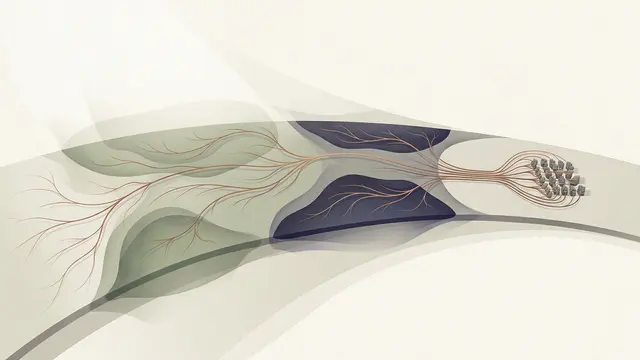
From a biological perspective, the brain is an incredibly efficient processor that prioritizes information based on environmental demands. During the day, the prefrontal cortex—the area responsible for critical thinking and executive function—is occupied with tasks, social interactions, and sensory input. When these competing demands are removed at night, the brain naturally shifts its focus to unresolved stressors. This is not a malfunction, but rather an adaptive, albeit inconvenient, feature of human cognition. The brain essentially uses the quiet of the night to process remaining data, which often manifests as the surfacing of suppressed worries.
Furthermore, there is a distinct biological component to nighttime vulnerability. Neuropsychological research suggests that our brains are more attuned to perceived threats during the dark hours, a remnant of evolutionary pressures where predators posed a significant risk. The amygdala, the brain’s fear center, exhibits higher activity during these times, leading to a state of hyper-vigilance. This biological predisposition, combined with the lack of external stimulation, creates an environment where negative thoughts are amplified, and the capacity for rational, calm assessment is severely curtailed.
The Mechanism of Negative Bias
Modern research into the “Mind After Midnight” hypothesis suggests that the human brain becomes increasingly prone to negative, emotional, and less rational thinking as the night progresses. This shift is linked to circadian rhythms that influence our cognitive state. In the late hours, the brain’s ability to regulate emotional responses is weakened, which explains why a minor social faux pas or a manageable financial issue can suddenly feel like an insurmountable crisis. The absence of the prefrontal cortex’s moderating influence allows these thoughts to snowball, unchecked by the logical frameworks we typically employ during daylight hours.
This mechanism is further complicated by the modern habit of constant connectivity. Because we are accustomed to high levels of stimulation throughout the day, the sudden silence of the night can feel unnatural or even threatening. When we attempt to suppress these intrusive thoughts, we often trigger a rebound effect, where the effort to stop thinking about a stressor inadvertently makes it more prominent. This creates a psychological trap where the individual is locked into a cycle of rumination, unable to disengage from the very thoughts that are preventing the restorative sleep necessary to resolve them.
Implications for Stakeholders and Public Health
For public health professionals and employers, the implications of chronic nighttime anxiety are significant. The erosion of sleep quality has direct consequences for productivity, safety, and long-term mental health. When a substantial portion of the workforce experiences fragmented sleep, the aggregate impact on cognitive performance and emotional regulation is profound. Regulators and health organizations are increasingly recognizing sleep health as a pillar of wellness, yet the cultural pressure to remain productive and connected often undermines these efforts.
For the individual, the challenge lies in developing strategies that bridge the gap between the chaotic, hyper-stimulated day and the quiet of the night. This involves a shift from reactive management—such as attempting to solve problems while lying in bed—to proactive cognitive transitions. Techniques like mindfulness, structured journaling, and the intentional creation of a low-stimulation sleep environment are essential tools for reclaiming the night. However, the tension remains between the biological necessity of rest and the societal demand for constant availability, a conflict that will likely continue to define the discourse around modern mental health.
The Future of Sleep and Cognitive Regulation
As our understanding of the neurological underpinnings of nighttime anxiety grows, the question remains how society will adapt to these findings. Can we design environments—both physical and digital—that better support the natural circadian needs of the brain? The debate over the role of technology, such as the impact of blue light and the accessibility of information, is only the beginning of a broader conversation about how we manage our cognitive resources in an era of infinite stimulation.
Looking ahead, the focus may shift toward more sophisticated interventions that assist the brain in transitioning from the active, analytical state of the day to the restorative state of the night. Whether through behavioral shifts, environmental modifications, or a re-evaluation of our relationship with nighttime productivity, the goal is to mitigate the impact of the "Mind After Midnight" phenomenon. As research continues to clarify the link between circadian rhythms and emotional stability, the challenge will be to integrate these insights into the fabric of daily life, ensuring that the quiet of the night remains a period of recovery rather than a crucible for anxiety.
As the intersection of neurobiology and modern lifestyle continues to evolve, the question of how we protect our cognitive health during the hours of darkness remains open. The path forward likely requires a fundamental recalibration of our expectations regarding productivity and the role of rest in maintaining long-term mental well-being.
With reporting from Fast Company
Source · Fast Company