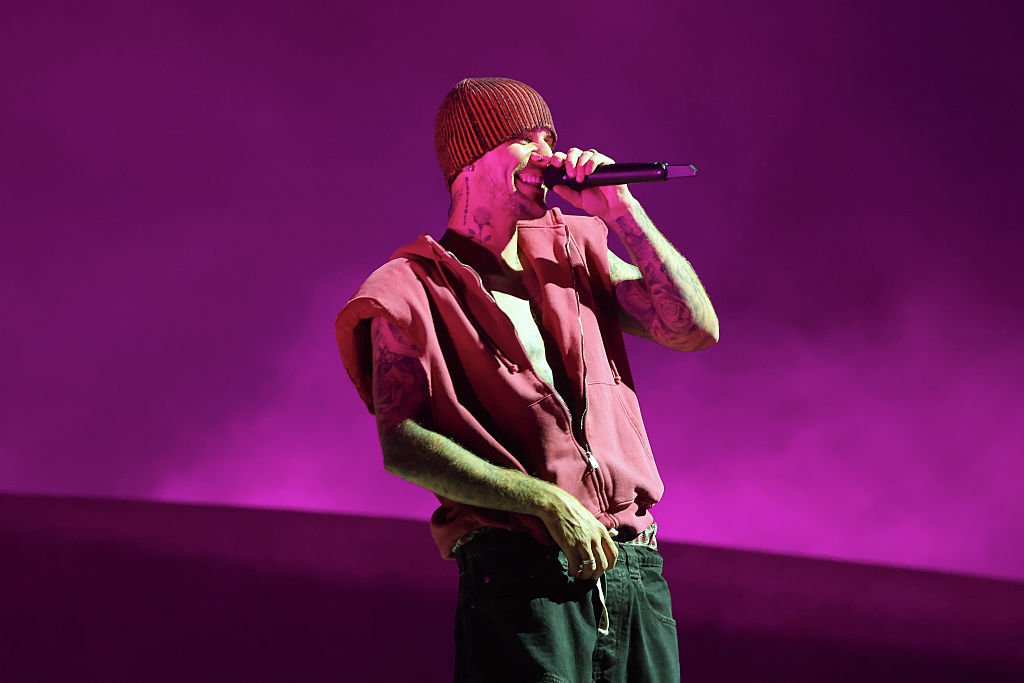
The concentration of capital in the modern attention economy often defies traditional scale. Justin Bieber’s reported $10 million payout for two weekends at Coachella 2026, as noted by *Rolling Stone*, serves as a stark metric of this reality. While high-profile festival headliners have long commanded seven-figure sums, the scale of Bieber’s fee moves beyond mere luxury into the realm of national-level finance.
To put the figure in perspective, $10 million represents approximately 18 percent of the annual Gross Domestic Product of Tuvalu. The Pacific island nation, which supports a population of roughly 9,000 people, has a 2024 GDP estimated at just $56 million. In effect, the cultural output of a single entertainer over two weekends rivals the total economic activity of an entire sovereign state over several months.
This comparison highlights a widening gap between the localized economies of small nations and the borderless, hyper-concentrated wealth generated by global entertainment platforms. As these platforms grow, the \"celebrity-as-conglomerate\" model continues to challenge our understanding of economic proportions, where a single performance can outweigh the collective labor and resources of an entire population.
With reporting from Exame Inovação.
Source · Exame Inovação