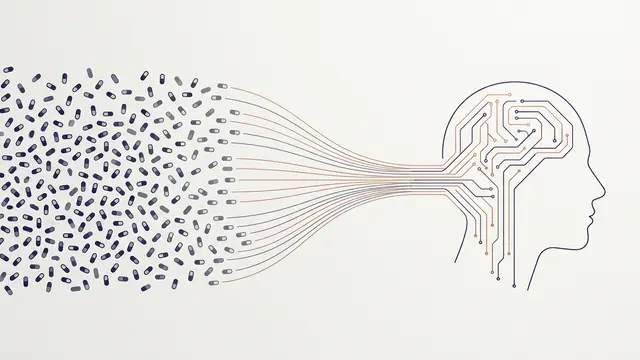
In recent years, the clinical landscape of metabolic health has undergone a profound transformation, driven primarily by the widespread adoption of GLP-1 receptor agonists. According to reporting from The New York Times, the medical community is now pivotally engaged in studying a phenomenon previously relegated to anecdotal patient accounts: 'food noise.' This term, which describes the persistent, intrusive mental preoccupation with eating, has traditionally been difficult to quantify or treat through conventional behavioral interventions. With these pharmacological agents effectively muting this internal buzz, researchers are finally positioned to isolate the neurological mechanisms that govern compulsive eating patterns.
The implications of this shift extend far beyond weight management, suggesting that obesity may be fundamentally reclassified as a dysregulation of reward circuitry rather than a simple failure of willpower. By observing the cessation of these persistent cravings in patients treated with GLP-1s, the scientific community is beginning to map the specific pathways in the brain that trigger the drive to consume. This editorial analysis explores how this newfound ability to 'switch off' food noise provides a unique window into human neurobiology, potentially altering how we approach addiction, compulsive behavior, and the broader intersection of pharmacology and psychology.
The Neurobiological Shift in Appetite Regulation
For decades, obesity research was largely dominated by the 'calories in, calories out' model, a framework that prioritized metabolic output and physical activity. This approach often overlooked the upstream neurological signals that dictate the desire to eat in the first place. The prevailing assumption was that appetite was a largely conscious decision-making process, heavily influenced by environment and personal choice. However, the efficacy of GLP-1 agonists—which act on receptors in the brain to signal satiety—has challenged this reductionist view, highlighting that for many, the drive to eat is a biological imperative that operates independently of hunger.
This shift in perspective mirrors broader trends in psychiatry, where the biological underpinnings of behavior are increasingly prioritized over purely cognitive-behavioral models. By dampening the signaling pathways that produce intrusive thoughts about food, these medications act as a probe into the brain's reward system. Researchers are now observing that when this 'noise' is silenced, patients report a significant reduction in the cognitive load associated with daily decision-making. This suggests that the brain's reward circuitry is not just reacting to food, but actively anticipating and demanding it, creating a feedback loop that is difficult to break through traditional dieting.
Mechanisms of Cognitive Quietude
The mechanism by which GLP-1s interact with the brain's reward centers is complex and still being fully elucidated. These drugs appear to modulate the mesolimbic dopamine system, which is central to the brain's reward and reinforcement processes. When this system is hyper-activated, individuals may experience a heightened sensitivity to food cues, leading to the persistent mental preoccupation known as food noise. By modulating these signals, GLP-1s effectively lower the 'gain' on the desire for food, allowing for a more neutral relationship with dietary choices.
This phenomenon provides a concrete example of how pharmacological intervention can reveal the underlying architecture of human behavior. In many ways, the study of food noise is analogous to the study of addiction, where the brain becomes conditioned to seek out specific stimuli. If the drive to eat is indeed a form of conditioned neurobiological signaling, then the success of GLP-1s in silencing this drive suggests that we have been misidentifying the root cause of obesity. Instead of viewing it as a lack of discipline, we are increasingly seeing it as a state of neurological over-stimulation that requires specific, targeted biological intervention to normalize.
Stakeholder Implications and Market Dynamics
The implications of this research for stakeholders—ranging from pharmaceutical developers to public health policymakers—are substantial. For regulators and the healthcare industry, the definition of obesity as a neurobiological condition could lead to a significant expansion in the scope of insurance coverage and clinical guidelines. If obesity is recognized as a disorder of the brain's reward system, the argument for treating it with long-term, specialized medication becomes much stronger, potentially shifting the focus away from short-term aesthetic outcomes toward long-term neurological stability.
For competitors in the pharmaceutical space, the race is now on to develop next-generation therapies that can further refine these effects without the side effects associated with current GLP-1 treatments. The ability to target specific neurological pathways involved in cravings, rather than generalized satiety, represents a significant commercial and scientific opportunity. Meanwhile, for consumers, this shift offers a path toward destigmatization. By framing the struggle with weight as a matter of biological signaling, the social narrative surrounding obesity may finally move away from moral judgment and toward a more nuanced, science-based understanding of human physiology.
The Uncertain Horizon of Neuro-Metabolic Research
Despite the excitement surrounding these findings, several critical questions remain. We still do not fully understand the long-term neurological consequences of chronically modulating these reward pathways. Could silencing food noise inadvertently affect other reward-seeking behaviors, such as motivation, creativity, or emotional regulation? Furthermore, the variability in patient response remains a significant challenge; while some individuals report a total cessation of food noise, others experience only moderate changes, suggesting that the underlying neurobiology of appetite is highly heterogeneous.
As we look to the future, the research agenda must focus on identifying the biomarkers that predict who will respond best to these therapies. We must also consider the societal impact of widespread pharmacological modification of appetite. If we possess the tools to effectively 'tune' our internal drives, we must navigate the ethical and practical implications of such interventions. The current moment is one of immense scientific discovery, but it is also a time for careful consideration of the boundaries between medical necessity and the alteration of fundamental human experiences.
Ultimately, the discovery that GLP-1s can silence the persistent internal chatter of food noise has opened a new frontier in our understanding of the human brain. As the scientific community continues to map the intersection of metabolic health and cognitive architecture, the distinction between physiological and psychological drivers of behavior will continue to blur. Whether this leads to a new era of precision medicine or raises complex questions about the nature of human agency, the ongoing investigation into food noise remains a vital area of inquiry for the coming decade.
With reporting from The New York Times
Source · The New York Times — Science