The global energy landscape is undergoing a profound structural transformation, moving away from the era of hyper-optimized, efficiency-focused supply chains toward a defensive posture prioritized by resilience. According to reporting from Project Syndicate, the post-pandemic realization that lean operational models are ill-equipped to handle systemic shocks has been compounded by the reality that energy infrastructure is now a central target in modern geopolitical conflicts. For decades, the global economy operated on a "just-in-time" philosophy, where the minimization of inventory and the reliance on interconnected, frictionless trade routes allowed for unprecedented price stability and growth. That era, however, is increasingly being viewed as a historical anomaly rather than a sustainable long-term model.
As energy systems become central to the strategic calculus of nation-states, the shift toward a "just-in-case" approach is no longer merely a corporate strategy for risk mitigation but a national security imperative. The vulnerability of pipelines, refineries, and power grids to both physical sabotage and cyber-attacks has exposed the fragility of the global energy architecture. This article explores the necessity of re-evaluating energy security through a lens of systemic resilience, where redundancy, diversification, and physical hardening of assets replace the pursuit of marginal cost reductions as the primary driver of operational policy.
The Erosion of the Just-in-Time Paradigm
The reliance on "just-in-time" supply chains was predicated on a world of relative geopolitical stability and the assumption that market forces would always prioritize the most efficient delivery of resources. For much of the late 20th and early 21st centuries, this model succeeded in driving down costs and fueling global industrial expansion. However, the COVID-19 pandemic served as a critical stress test that revealed the inherent weaknesses of this lean architecture. When global logistics networks fractured, the lack of buffer stocks and diversified supply routes led to widespread shortages and price volatility that rippled across every sector of the economy.
Following the pandemic, the geopolitical landscape further deteriorated, with major energy-producing and consuming nations increasingly viewing energy as a tool of statecraft rather than a commodity subject to pure market dynamics. The weaponization of energy flows has forced a fundamental rethink of what constitutes a secure system. It is no longer sufficient to secure the cheapest source of supply; policymakers and corporate leaders must now account for the security of the transit routes, the political stability of the suppliers, and the physical integrity of the infrastructure itself. This transition to a defensive posture reflects a broader retreat from the globalization of energy markets toward a more regionalized, fragmented, and guarded approach to resource management.
Infrastructure as a Strategic Battlefield
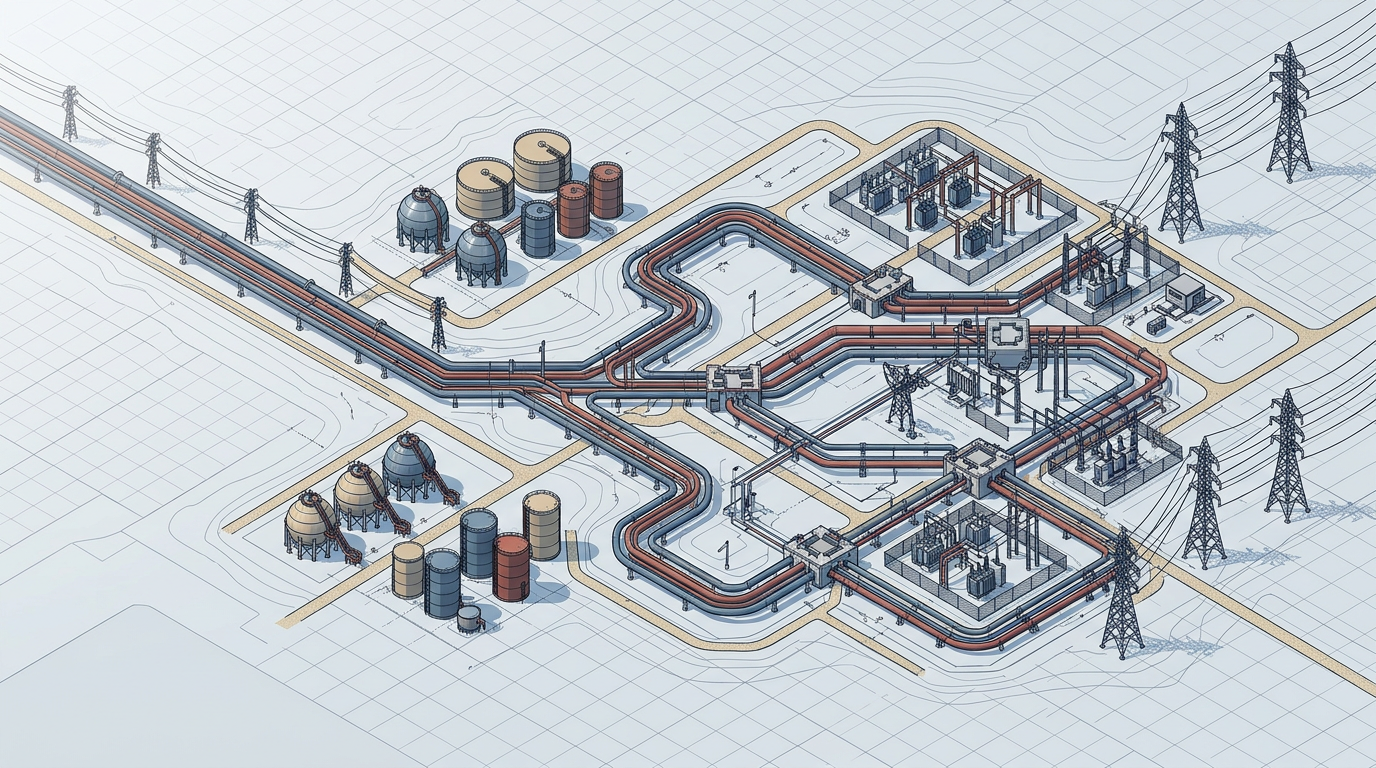
Modern energy infrastructure is uniquely vulnerable to the changing nature of conflict, where the distinction between combatants and non-combatants, or between military and civilian targets, is increasingly blurred. Pipelines, offshore platforms, and liquified natural gas (LNG) terminals represent high-value, high-consequence assets that are notoriously difficult to protect in their entirety. The shift to "just-in-case" logic requires a massive investment in redundancy, meaning that energy providers must now maintain excess capacity and diversified storage facilities to withstand disruptions that would have previously been considered improbable or manageable.
This shift also introduces complex incentive dynamics. While the private sector is tasked with securing these assets, the costs of building a truly resilient, redundant energy system are significant and often conflict with shareholder demands for short-term profitability. Furthermore, the reliance on digital systems to manage grid operations and pipeline pressures has expanded the surface area for cyber-attacks, creating a scenario where a single breach can have cascading effects on regional stability. The mechanism of resilience, therefore, must involve not only physical hardening but also the development of decentralized, modular energy systems that can operate in isolation if a primary node is compromised.
Stakeholders and the Burden of Resilience
The burden of this transition falls unevenly across stakeholders. For regulators, the challenge lies in mandating security standards without stifling the innovation required to transition to cleaner, more sustainable energy sources. For energy companies, the tension is between the capital-intensive nature of hardening infrastructure and the competitive pressures of a global market that still demands low-cost energy. Consumers, meanwhile, must navigate the reality that the cost of energy security will inevitably be reflected in higher prices, as the efficiency gains of the past are traded for the stability of the future.
Geopolitically, this shift creates a divide between nations capable of investing in deep resilience and those that remain tethered to vulnerable, centralized systems. Developing nations, in particular, may find themselves at a disadvantage as they struggle to balance the immediate need for affordable energy with the long-term requirement for secure, redundant infrastructure. The international community faces a parallel challenge: coordinating energy security policies in a way that prevents a "race to the bottom" or, conversely, a protectionist spiral that further disrupts global markets.
Outlook and Persistent Uncertainties
The move toward a resilience-first model is still in its infancy, and the effectiveness of these strategies remains untested against the full range of potential threats. As nations and corporations invest in hardening their assets, the question of how to maintain international cooperation in an increasingly defensive climate remains open. Will this focus on domestic security lead to a more stable global energy market, or will the pursuit of individual resilience create new, unforeseen vulnerabilities in the global system?
Furthermore, the evolution of technology—specifically in the realms of AI-driven threat detection and modular, small-scale power generation—will play a defining role in how this resilience is achieved. Whether these advancements will favor the defender or the aggressor is a subject of ongoing debate among defense analysts and energy experts. As the world continues to navigate the intersection of energy policy and national security, the necessity of balancing efficiency with preparedness will remain a primary challenge for the foreseeable future.
As global energy systems continue to adapt to the realities of a more volatile geopolitical environment, the tension between the legacy of efficiency and the mandate for security will define the next chapter of energy policy. The transition away from the just-in-time model is not a temporary adjustment but a fundamental recalibration of how societies value and protect their most critical resources. The long-term implications of this shift remain an open question for markets and states alike.
With reporting from Project Syndicate
Source · Project Syndicate


