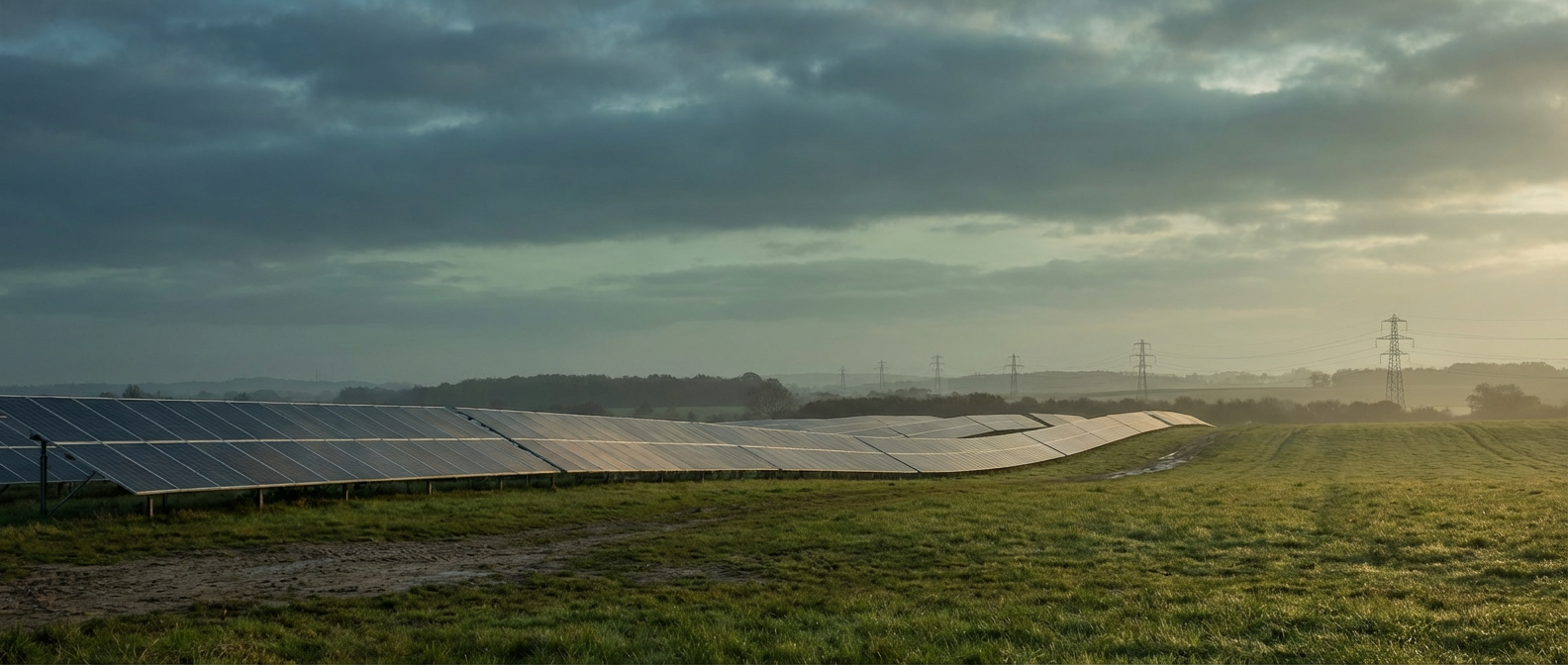
In a significant shift for state-level energy policy, Virginia has enacted legislation that effectively strips local jurisdictions of their authority to prohibit large-scale solar farm developments. This legislative intervention arrives as the state grapples with a paradoxical energy landscape: while the demand for electricity is reaching unprecedented levels, primarily fueled by the rapid expansion of data centers, the deployment of renewable infrastructure has been systematically throttled by restrictive local zoning ordinances. According to reporting from Canary Media, nearly two-thirds of Virginia’s counties had previously either outright banned or severely restricted the construction of utility-scale solar arrays, creating a bottleneck that threatened the state’s broader energy security.
The new mandate, championed by Governor Abigail Spanberger, signals a decisive pivot toward centralized energy planning, prioritizing regional grid stability over the tradition of local land-use autonomy. By overriding municipal zoning restrictions that have historically served as the primary tool for community opposition, the state is attempting to reconcile its ambitious climate goals with the immediate, pragmatic requirements of a modern digital economy. This article examines the structural implications of such preemption, exploring how the friction between local governance and state-wide infrastructure mandates is being redefined in the face of the energy transition.
The Anatomy of Local Resistance
For years, the proliferation of solar development in Virginia has been met with a sophisticated form of local resistance. Often termed "NIMBYism" (Not In My Backyard), this opposition has manifested through complex zoning codes, moratoriums, and conditional use permit requirements that effectively render large-scale solar projects economically unviable. These local hurdles are not merely expressions of aesthetic preference; they are deeply rooted in concerns regarding property values, agricultural preservation, and the perceived industrialization of rural landscapes. When counties exercise their zoning authority to block solar, they are often responding to a constituency that views the energy transition as a threat to their local identity and land-use traditions.
However, the structural context of this conflict has shifted dramatically with the emergence of the data center industry as a dominant economic force in Northern Virginia and beyond. These facilities are massive consumers of electricity, and their presence has placed immense pressure on the state’s power grid. When local governments block solar development, they are not just stopping a single project; they are inadvertently contributing to a state-wide supply-demand imbalance that drives up energy costs for all consumers. The state’s intervention is, therefore, a recognition that energy infrastructure has become a matter of critical public interest, transcending the boundaries of individual counties.
The Mechanism of State Preemption
State preemption of local zoning is a powerful, if controversial, tool. By establishing that solar energy production is a vital state interest, the new law effectively removes the power of local governments to veto projects that meet clearly defined state-wide standards. This mechanism is designed to create a streamlined, predictable regulatory environment for developers who have long struggled with the uncertainty of local permitting processes. When a developer can no longer be stopped by a local board of supervisors, the risk profile of renewable projects decreases, potentially lowering the cost of capital and accelerating the pace of deployment.
Yet, this shift in power dynamics creates a new set of challenges regarding democratic accountability. If local residents feel that their concerns are being bypassed by a state-level bureaucracy, the intensity of their opposition may escalate, potentially leading to legal challenges or political backlash. The mechanism of preemption assumes that the state can effectively balance the competing interests of industrial growth and rural preservation through standardized regulations. Whether a one-size-fits-all approach can sufficiently address the nuanced concerns of diverse communities across Virginia remains a central point of tension in the implementation of this new policy framework.
Implications for Stakeholders and Grid Stability
For energy regulators, the primary objective is to ensure that the grid remains reliable and affordable as the energy mix shifts toward renewables. By facilitating the construction of solar farms, the state is essentially attempting to lower the marginal cost of electricity by integrating more low-cost, emission-free generation. For the data center industry, this policy provides a much-needed assurance that their expansion in Virginia will not be halted by a lack of available power. However, this alignment between the state and industrial interests may leave residential consumers and rural communities feeling marginalized, as they bear the physical impact of the infrastructure without necessarily seeing the direct economic benefits of the digital growth it supports.
Competitors in the energy space, including traditional utility companies and natural gas providers, will also be forced to adapt to a landscape where solar is no longer easily blocked. The ability to deploy solar at scale without the constant threat of local moratoriums changes the competitive landscape for baseload and peaking power generation. Regulators will now be tasked with ensuring that this rapid influx of intermittent solar power is managed effectively within the existing grid infrastructure, requiring significant investments in transmission and storage technologies to avoid curtailment and maintain stability.
The Path Forward and Remaining Uncertainties
Despite the legislative clarity provided by the new law, many questions remain regarding the practical application of these rules. How will the state define the specific criteria for project approval to ensure that environmental and community impacts are adequately mitigated? Furthermore, the potential for litigation between local governments and the state, or between community groups and developers, remains high. The legal precedent established by this move will likely be tested in the coming years, as counties seek to find alternative ways to exercise influence over the land-use decisions that affect their jurisdictions.
Beyond the legalities, the long-term success of this policy will depend on the state’s ability to foster a collaborative relationship with the communities hosting these projects. If the transition is viewed as a top-down imposition rather than a shared endeavor, the resulting social friction could undermine the very stability the law seeks to promote. As Virginia navigates the complexities of integrating massive new sources of clean energy, the balance between state-wide development mandates and local community agency will continue to be a defining theme in the state’s energy policy evolution.
As the implementation of this law progresses, the interplay between state-level economic necessity and local governance will remain a critical area of observation, suggesting that the debate over land use and energy infrastructure is far from settled.
With reporting from Canary Media
Source · Canary Media


