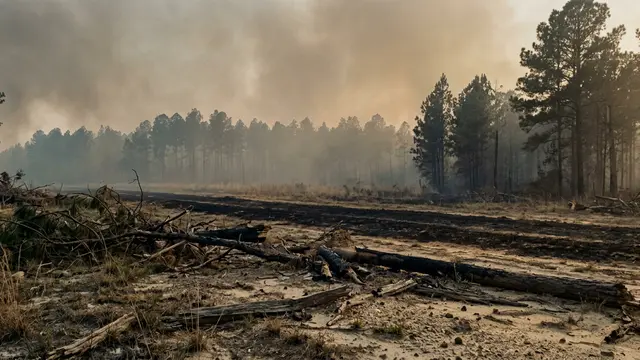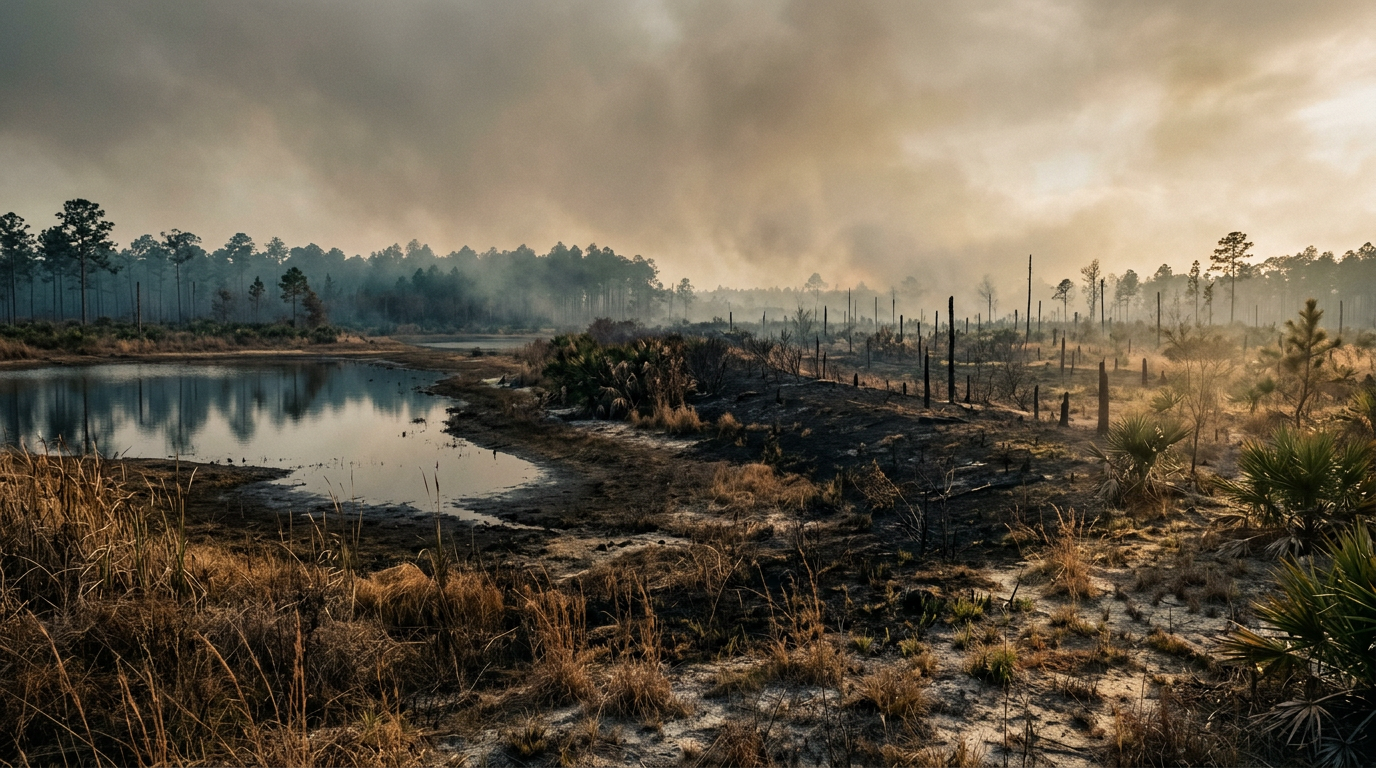
The Southeastern United States, a region historically characterized by its temperate, humid climate, is increasingly defined by the intersection of prolonged drought and explosive wildfire activity. According to reporting from Inside Climate News, tens of thousands of acres across Georgia and Florida have been scorched by major blazes, forcing evacuations and causing significant property damage. This surge in fire activity is not an isolated anomaly but the latest manifestation of a regional climate shift that defies traditional meteorological expectations.
These events underscore a fundamental transformation in the environmental risk profile of the American South. Where once the primary climate concerns were seasonal hurricanes and flooding, the region is now grappling with the volatile combination of low humidity, parched vegetation, and high-velocity winds. This shift suggests that the mechanisms of climate change are not merely increasing the intensity of known threats but are actively introducing new, persistent hazards that local infrastructure and emergency response systems were not originally designed to mitigate.
The Structural Shift in Southeastern Climate Patterns
The perception of the Southeastern United States as a climate-resilient region is rapidly eroding under the pressure of systemic meteorological changes. Historically, the Southeast benefited from a reliable moisture cycle driven by the Gulf of Mexico and the Atlantic Ocean. However, recent data points to a decoupling of these moisture patterns, leading to extended periods of drought that dry out forest floors and lower the moisture content in vegetation. When these dry conditions coincide with seasonal wind patterns, the resulting environment acts as a "tinderbox," capable of turning minor ignitions into catastrophic, multi-acre wildfires.
This phenomenon highlights the vulnerability of ecosystems that have not evolved to withstand frequent, high-intensity fire cycles. Unlike the Western United States, where wildfire management is a long-standing component of land-use policy, the Southeast is largely unprepared for the logistical and financial burden of sustained fire suppression. The historical reliance on high humidity to suppress natural fire starts is failing, creating a structural deficit in the region's ability to manage its natural landscape. As these drought patterns become more frequent, the traditional distinction between "fire-prone" regions of the West and "humid" regions of the East is becoming increasingly irrelevant.
Mechanisms of Escalation and Fire Behavior
To understand the current crisis, one must examine the specific mechanisms through which drought influences fire behavior. Drought does not simply kill vegetation; it alters the chemical and physical composition of the landscape. As soil moisture levels drop, plants undergo physiological stress, leading to the accumulation of dead biomass—the primary fuel for wildfires. This accumulation occurs across vast, contiguous tracts of land, allowing fires to spread with a speed and intensity that overwhelms conventional containment strategies. The synergy between low humidity and high wind speeds further complicates suppression efforts, as these factors facilitate the rapid transport of embers, leading to spot fires that can jump wide natural and man-made barriers.
Furthermore, the interaction between human development and these shifting climate conditions creates a dangerous feedback loop. The expansion of residential areas into forested regions—the wildland-urban interface—places significant amounts of property and infrastructure directly in the path of these fires. When drought conditions are present, the susceptibility of these communities increases exponentially. The challenge for fire management agencies is no longer just about controlling the fire itself, but about protecting a sprawling, vulnerable infrastructure that was built under the assumption of a much wetter, more stable climate. The reliance on legacy fire-suppression methods, which often prioritize rapid containment, is being tested as fires become larger and more complex to manage.
Implications for Stakeholders and Policy
The implications of this new climate reality extend far beyond the immediate environmental impact. For insurance providers, the increasing frequency and severity of Southeastern wildfires represent a significant recalculation of risk. As losses mount, the availability and affordability of property insurance in these regions will likely face downward pressure, potentially triggering a broader reassessment of real estate values in high-risk zones. This creates a tension between local economic development goals and the necessity of implementing stricter land-use regulations that account for fire risk.
Regulators and policymakers are now tasked with the difficult challenge of balancing short-term emergency response requirements with long-term climate adaptation strategies. This includes rethinking forest management practices, such as controlled burns and fuel reduction initiatives, which have historically been underutilized in the Southeast compared to the West. Additionally, the burden on state and municipal emergency management agencies is reaching a breaking point. These entities must now secure the resources to fight fires year-round, rather than focusing on seasonal preparedness, necessitating a fundamental shift in how public funds are allocated for disaster mitigation and regional resilience efforts.
Open Questions and the Outlook for Regional Resilience
What remains uncertain is the degree to which these drought patterns are indicative of a permanent shift in regional climate dynamics versus a temporary, though severe, cycle. If these conditions persist, the Southeastern United States may be forced to adopt a comprehensive wildfire management framework similar to those found in California or the Pacific Northwest. This would require a significant investment in technology, specialized personnel, and cross-state coordination to manage the risks posed by fires that do not respect state boundaries. The question of whether local governments have the political and financial capital to initiate such a transformation remains open.
Furthermore, the integration of climate modeling into local zoning and development policies is currently in its infancy. As the region continues to experience population growth and urban expansion, the conflict between development and environmental risk will only intensify. Observers should monitor whether upcoming legislative sessions in states like Georgia and Florida begin to prioritize climate-resilient infrastructure over traditional growth-oriented policies. The ability of these states to adapt their regulatory frameworks to account for this new reality will likely determine the long-term economic and social stability of the region in the face of ongoing environmental change.
The accelerating frequency of these events suggests that the environmental conditions of the Southeastern United States are undergoing a profound transition. As the region grapples with the immediate consequences of these fires, the broader challenge of adapting to a more volatile climate remains. Whether through policy reform, infrastructure investment, or a fundamental change in land-use practices, the path forward will require a sober evaluation of the risks that now define the region. With reporting from Inside Climate News
Source · Inside Climate News