In the crushing depths of the world’s oceans, where tectonic plates collide and slide beneath one another in a process known as subduction, a slow-motion alchemy takes place. These zones have long been known to host significant concentrations of precious metals, yet the precise mechanics of how gold migrates and accumulates in these specific geological hotspots have remained largely opaque to science.
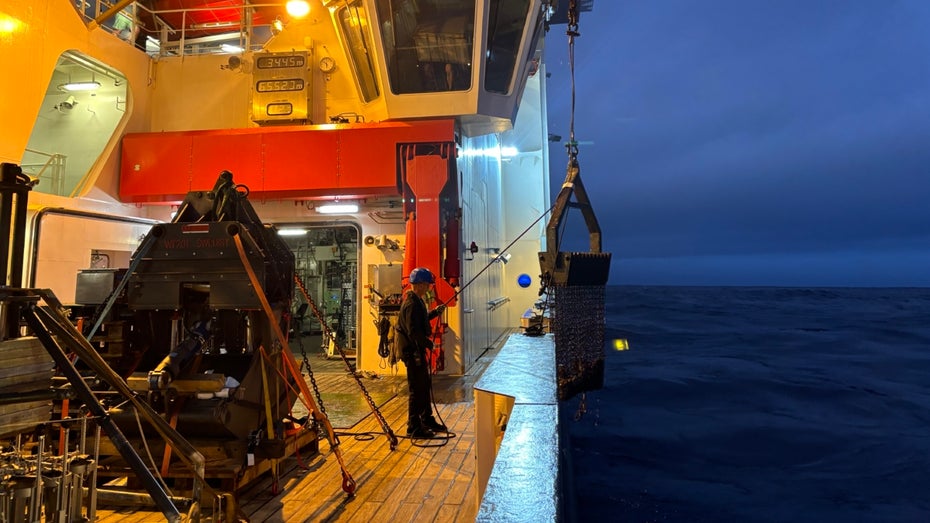
Researchers from the Geomar Helmholtz Centre for Ocean Research Kiel have now provided a clearer view of this subterranean transport system. By analyzing volcanic glass samples recovered from the seabed, the team was able to trace the elemental signature of fluids moving through the Earth's crust. These glass fragments, formed when magma is rapidly cooled by seawater, serve as chemical time capsules, preserving the state of the mantle's chemistry at the moment of eruption.
The findings suggest that the unique thermal and chemical environment of subduction zones acts as a natural refinery. As the sinking plate releases water and gases, it triggers melting in the overlying mantle, creating a pathway for gold to be transported upward and concentrated in the crust. This discovery not only refines our understanding of the planet’s mineral cycles but also highlights the complex interplay between plate tectonics and the distribution of the Earth's most coveted resources.
With reporting from [t3n].
Source · t3n