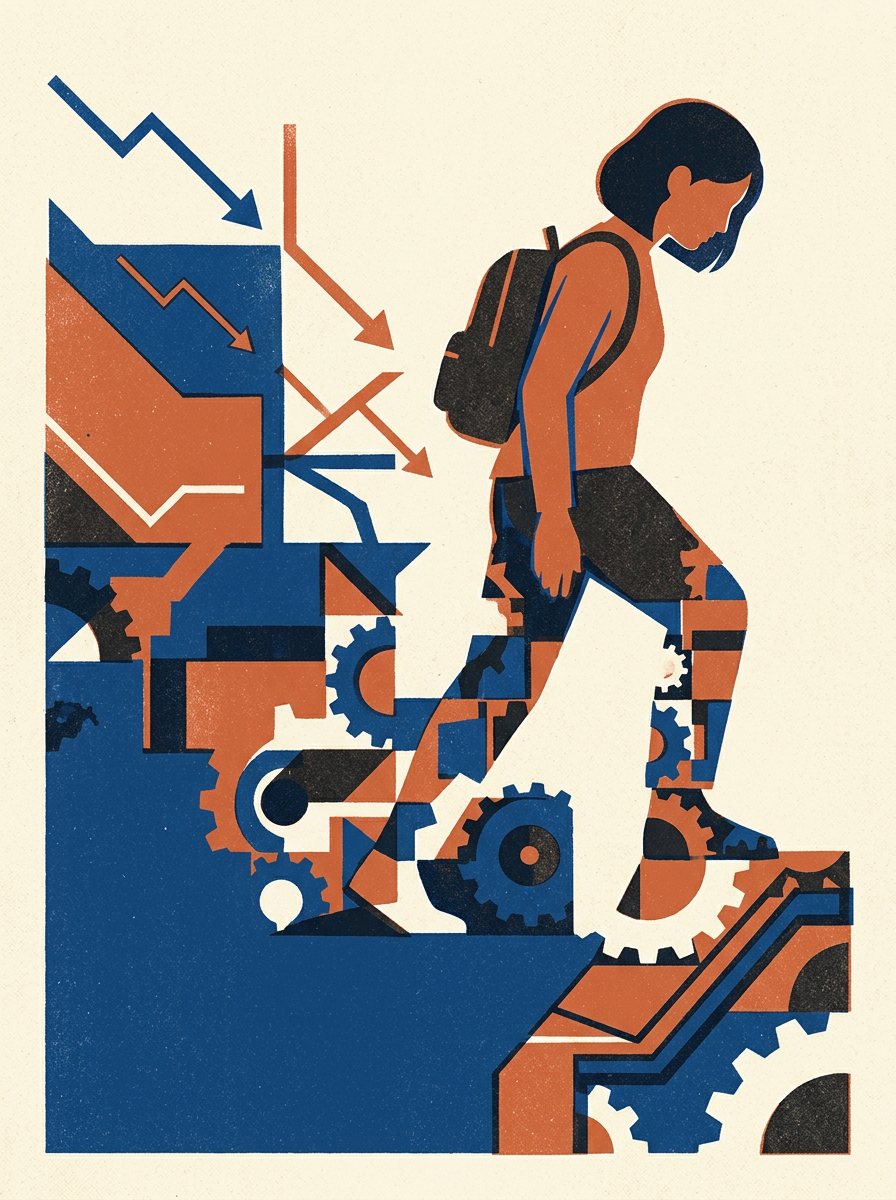
The traditional scientific method—a slow, iterative dance of hypothesis and verification—is facing its most significant structural shift since the Enlightenment. Recent experiments in autonomous research suggest a future where AI agents don’t just assist scientists but act as the primary investigators. These systems are designed to navigate the entire research lifecycle, from scanning existing literature to proposing novel theories and executing simulations.
What distinguishes this new approach from standard data modeling is the "closed-loop" nature of the systems. By integrating generative models with automated testing environments, these AI agents can refine their own logic without human intervention. In certain controlled environments, this autonomy has demonstrated the potential to collapse research timelines that previously spanned decades into mere months or even weeks.
However, this efficiency introduces a philosophical friction. As machines begin to produce insights at a pace that exceeds human peer-review capabilities, the scientific community must grapple with the "black box" of discovery. If a system identifies a breakthrough but cannot explain its reasoning in a way that aligns with human intuition, the very definition of scientific understanding may need to be recalibrated.
With reporting from Exame Inovação.
Source · Exame Inovação