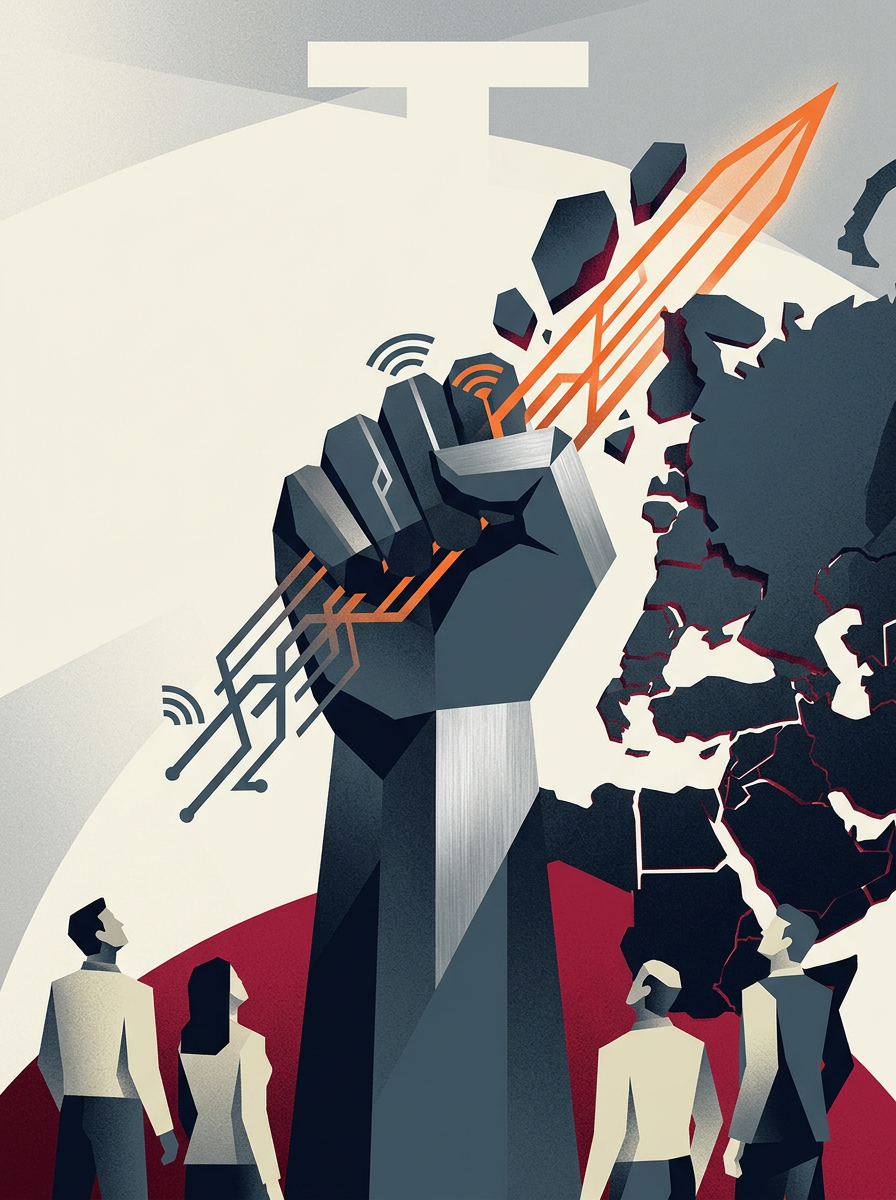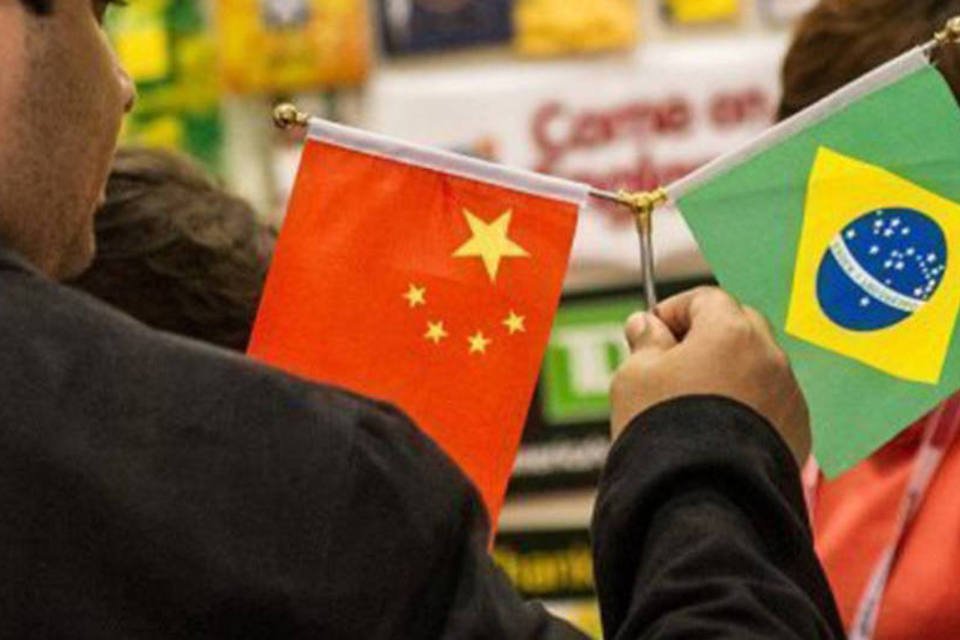
The global map of artificial intelligence is frequently drawn as a bipolar landscape, dominated by the competing interests of Silicon Valley and Beijing. Brazil, however, is signaling its intent to redraw those lines. By entering into a new strategic cooperation agreement with China, the South American nation is positioning itself not as a passive market for finished software, but as an active participant in the development of the underlying technology.
The partnership underscores a pragmatic shift in Brazil’s industrial policy. For the administration in Brasília, the goal is to achieve a measure of "technological sovereignty." By leveraging Chinese expertise and infrastructure, Brazil hopes to accelerate its domestic AI capabilities, moving beyond the simple implementation of foreign models toward creating systems tailored to its own economic and social nuances.
This alignment with China represents more than a trade deal; it is a calculated move in the broader geopolitical chess game of the 21st century. As AI becomes the foundational layer for everything from agriculture to urban management, Brazil’s decision to "play the game" alongside China suggests a desire for a multipolar tech future—one where emerging economies are no longer relegated to the periphery of innovation.
With reporting from Exame Inovação.
Source · Exame Inovação