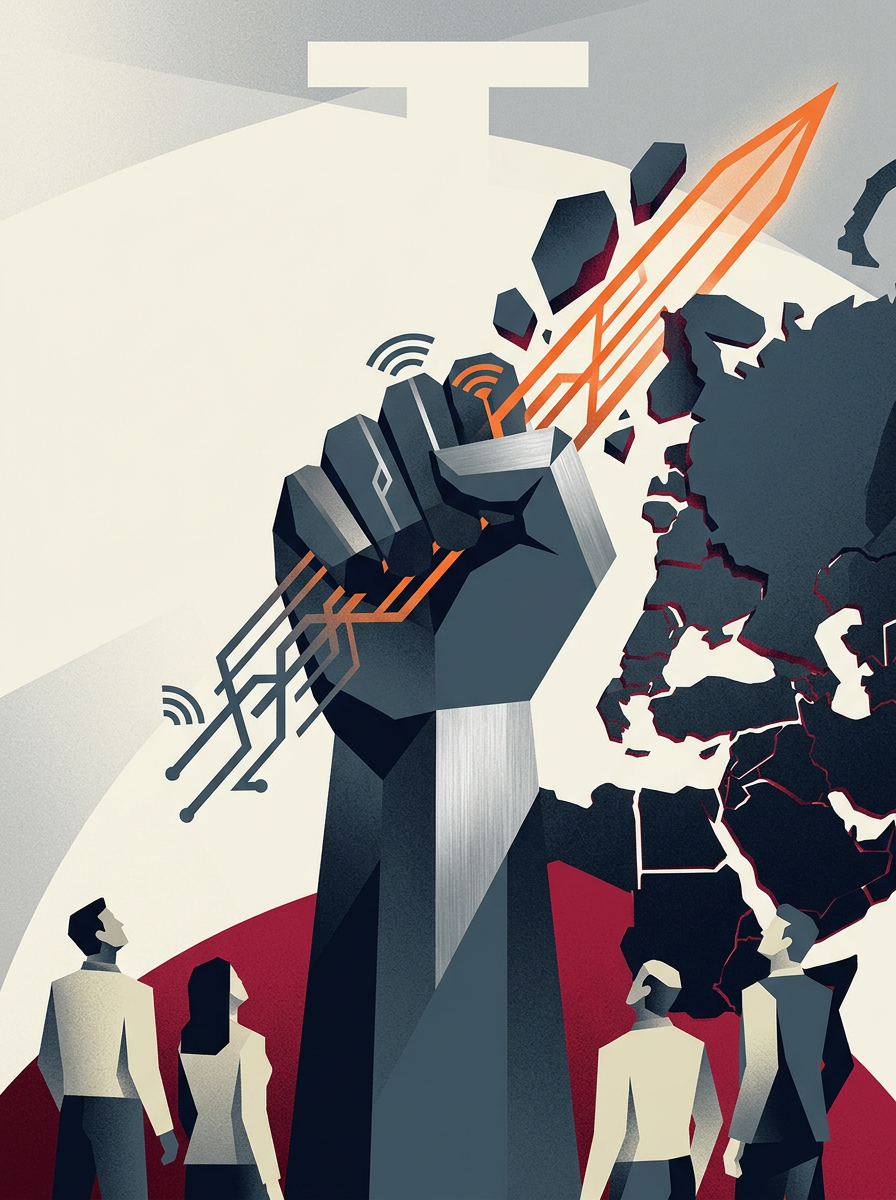
The traditional architecture of the internet—a neat hierarchy of links and keywords—is undergoing a quiet, algorithmic erosion. As Google and its rivals integrate AI Overviews into the top of search results, the incentive to click through to a source website is vanishing. New data suggests that organic click-through rates have plummeted by 61% on queries where AI summaries are present, signaling the end of the search engine optimization playbook as we have known it for two decades.
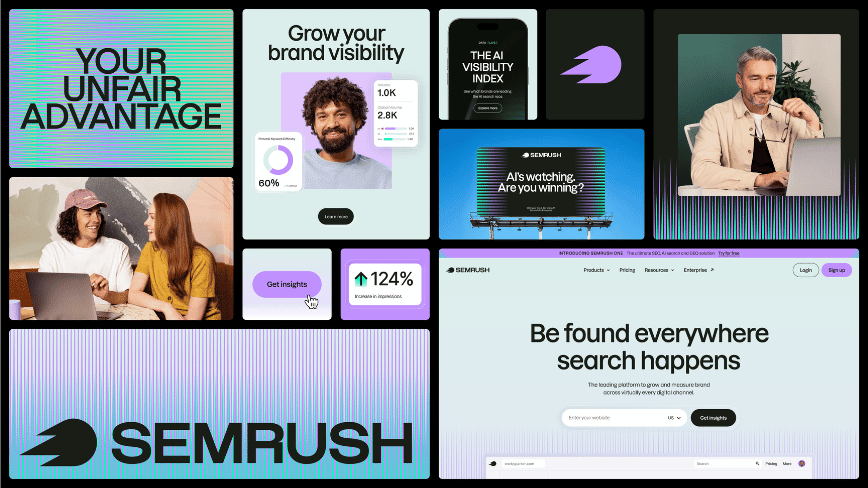
In response, the search analytics firm Semrush has unveiled its "Brand Visibility Framework," introducing a discipline it calls Agentic Search Optimization (ASO). Rather than focusing strictly on page rankings, the framework analyzes how brands are surfaced across AI-generated answers and autonomous agents. By drawing on a dataset of 213 million prompts across various large language models, the tool attempts to map the "share of voice" a company holds within the black boxes of generative AI.
This shift reflects a broader transition from a web of destinations to a web of synthesis. In this new environment, the "agent" becomes the primary consumer of information, distilling vast amounts of data into a single, authoritative response. For brands, the challenge is no longer just being found by a human user, but being cited, understood, and recommended by the models that now act as the internet’s primary gatekeepers.
With reporting from The Next Web.
Source · The Next Web