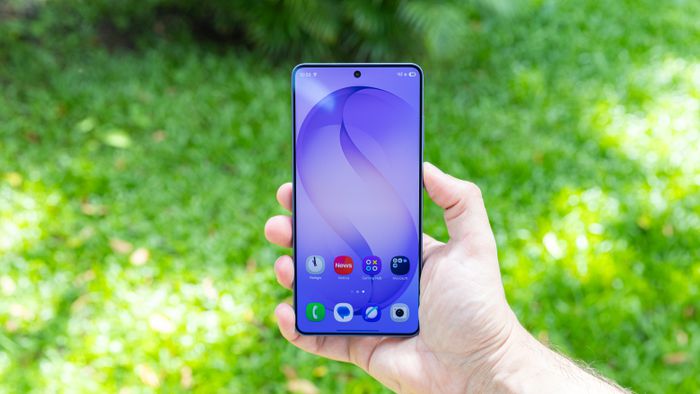
Samsung’s software strategy is increasingly pivoting from aesthetic refinement to deep algorithmic integration. Early builds of One UI 9, the company’s forthcoming interface based on Android 17, indicate a push to make "Galaxy AI" less of a standalone suite and more of a pervasive logic underlying the operating system. Leaked iterations show a system that attempts to anticipate user intent, particularly within creative and organizational workflows.
The most significant shifts appear in the Photo Assist tool, which is reportedly being updated to automatically analyze images and suggest specific generative prompts for editing, rather than waiting for manual input. Similarly, the Audio Eraser utility has been decoupled into its own dedicated menu, allowing users to toggle noise suppression across nearly any video-capable application. These changes suggest Samsung is moving toward a model where the OS acts as an active agent, mediating how users interact with both system tools and third-party content.
Beyond the intelligence layer, the interface is receiving a functional overhaul aimed at clarity. The Quick Panel features enlarged controls for brightness and volume, emphasizing immediate accessibility, while the DeX desktop environment has been streamlined with new taskbar management features. As Samsung prepares for a projected July debut, the trajectory is clear: the smartphone is evolving from a mere portal for applications into a predictive engine designed to reduce the friction of digital life.
With reporting from Canaltech.
Source · Canaltech