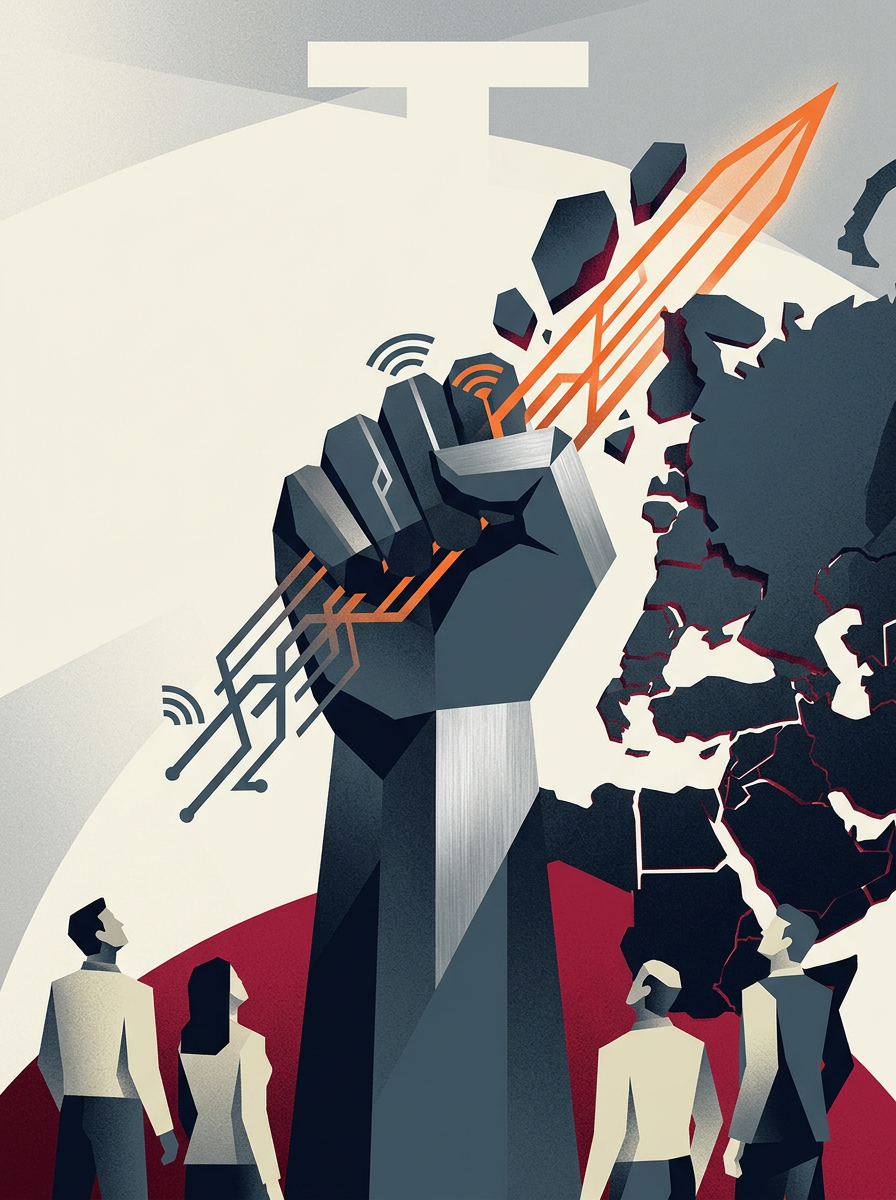
The modern enterprise is undergoing a quiet but profound demographic shift. Non-human identities—autonomous AI agents capable of executing tasks and accessing sensitive systems—are increasingly outnumbering human employees. While these agents promise a new era of productivity, they are also inadvertently opening a vast and complex attack surface. By treating agents as first-class citizens with broad permissions, companies are often granting the "keys to the kingdom" to entities that can be manipulated or compromised.
According to the Deloitte AI Institute’s 2026 State of AI report, the gap between corporate ambition and technical oversight is widening. While nearly 74% of companies plan to deploy agentic AI within the next two years, only 21% report having a mature model for governing these autonomous actors. This disconnect has left executives grappling with concerns over data privacy, intellectual property, and regulatory compliance, as traditional security perimeters fail to account for the unique behaviors and vulnerabilities of agentic software.
To mitigate these risks, organizations are beginning to look toward a centralized "control plane" for AI governance. This shared layer is designed to govern who can run which agents, dictate their specific permissions, and observe their operations in real-time across the enterprise. Without such a robust framework, the rapid proliferation of agents risks creating permanent blind spots in corporate security, turning a powerful tool for efficiency into a systemic liability.
With reporting from MIT Technology Review.
Source · MIT Technology Review