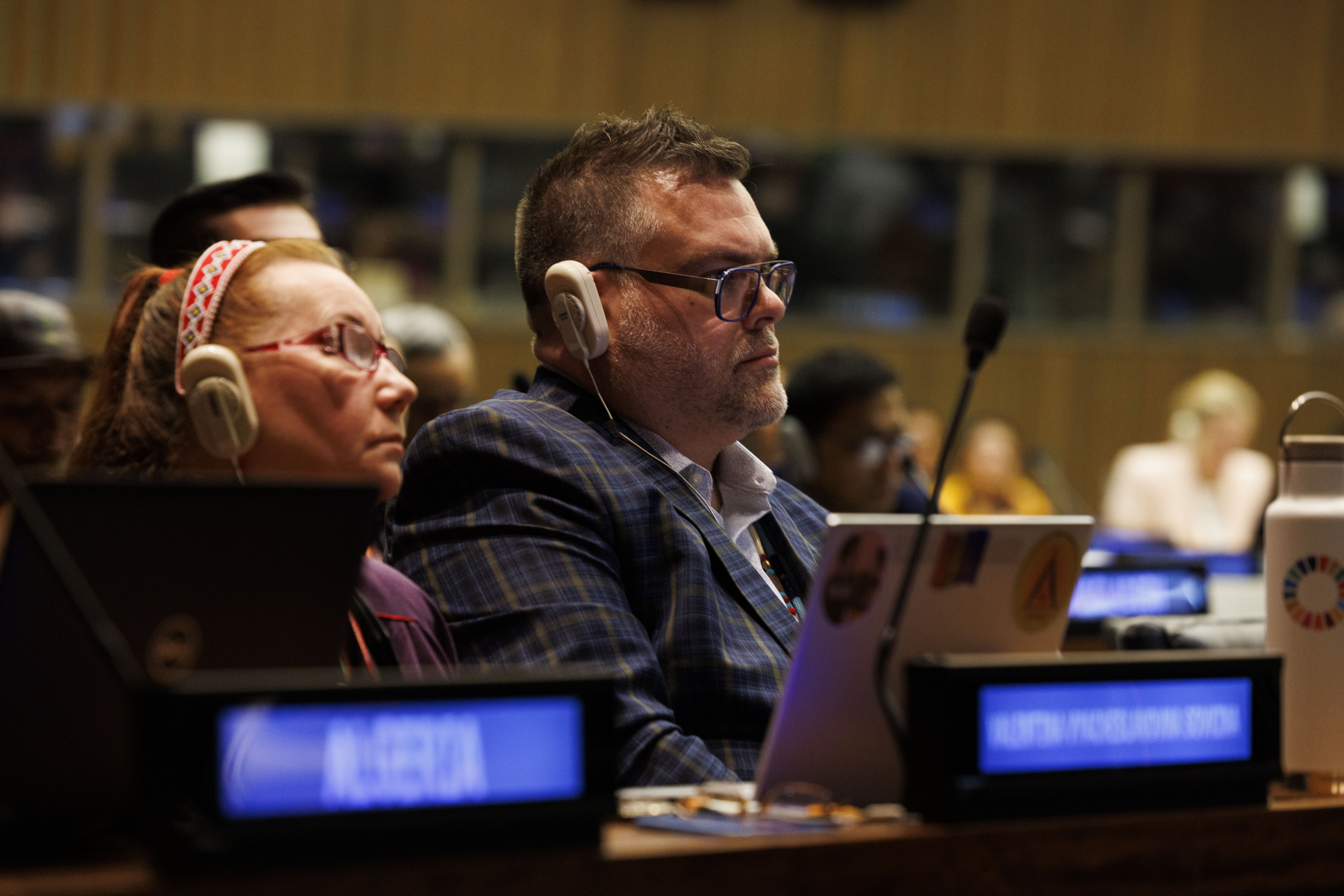
As hundreds of delegates convene at the United Nations for the Permanent Forum on Indigenous Issues, the atmosphere is defined by a sense of precariousness. This year’s theme—Indigenous health in the context of conflict—serves as a somber acknowledgment of how war and militarization compound the existing pressures of climate change. For these communities, health is rarely viewed as a clinical abstraction; rather, it is a condition inextricably linked to land sovereignty. When ecosystems are degraded by conflict or displacement, the collective well-being of the people dissolves with them.
The paradox of the modern era is that the very technologies intended to "save" the planet or advance the human project are driving a new wave of extraction. The boom in artificial intelligence and the global pivot toward green energy have intensified the demand for critical minerals, much of which lie beneath ancestral Indigenous territories. Advocates argue that without strict safeguards, the transition to a low-carbon economy risks replicating the exploitative patterns of the fossil fuel era, where Indigenous rights are frequently sacrificed for the sake of industrial progress.
Beyond the physical extraction, systemic barriers persist in the halls of global governance. Delegates from the Global South have faced increasing difficulty securing visas to attend the forum, even as they call for a fundamental shift in how climate resources are managed. The central demand is one of direct agency: moving climate financing away from state or foreign intermediaries and placing it directly into the hands of Indigenous communities. In the view of the forum’s participants, true climate resilience cannot be achieved through top-down mandates, but through the protection of the people who have long served as the world’s primary stewards.
With reporting from Grist.
Source · Grist