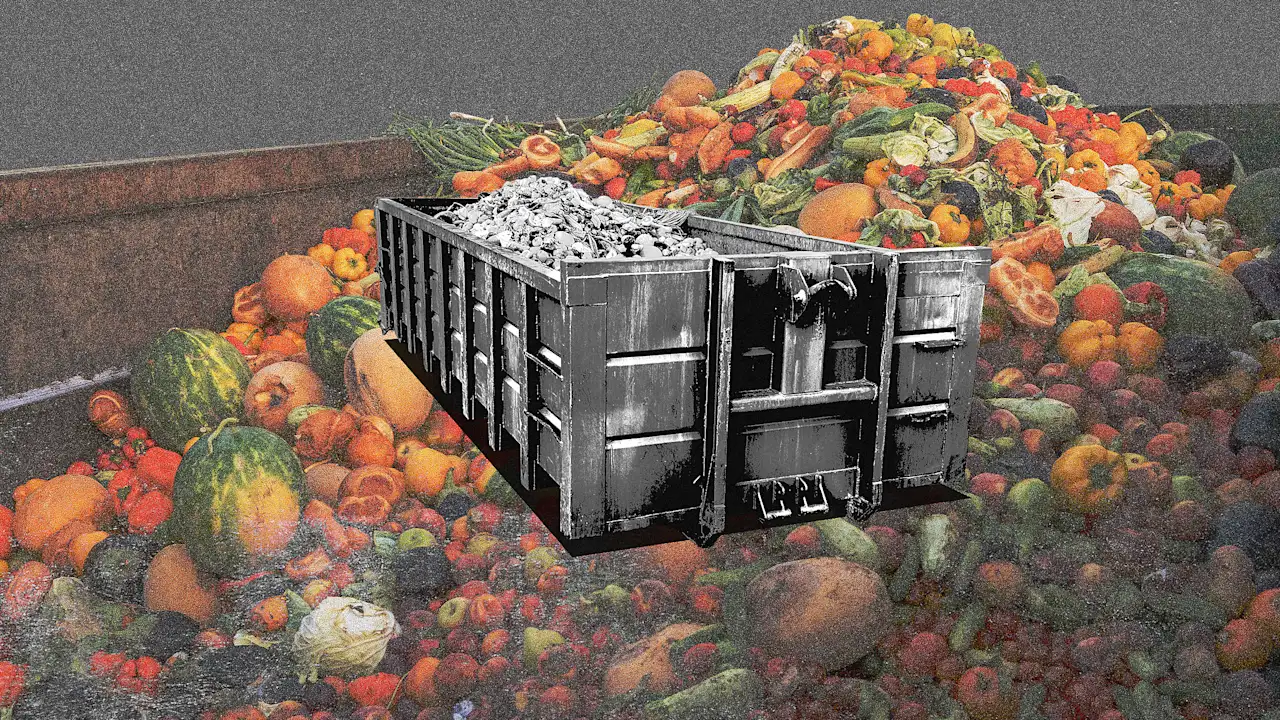
In the backrooms of American grocery stores, the management of fresh produce has long remained a practice of educated guesswork. While packaged goods are easily tracked via barcodes and automated replenishment systems, the world of perishables—the strawberries, the beef, the salmon fillets—is far more chaotic. Each year, U.S. grocers discard approximately four million tons of food, a $27 billion inefficiency born largely from the difficulty of matching supply to the volatile rhythms of consumer demand.
For decades, this was a manual labor. Store managers often relied on printed spreadsheets and ink pens to estimate inventory, a process that failed to account for the physical realities of fresh food. Produce sold by weight can literally evaporate as it loses water content; organic apples are frequently misidentified as conventional ones at self-checkout; and spoiled goods are often tossed without being recorded. This lack of precision creates a feedback loop of over-ordering and decay.
Afresh, a startup founded by Stanford MBA graduates Matt Schwartz and Nathan Fenner, aims to replace these analog habits with predictive intelligence. By analyzing hundreds of billions of data points, the company’s software helps stores reduce waste by as much as 25%. The firm recently announced $34 million in new funding, co-led by Just Climate and High Sage Ventures, to scale its operations. In an industry defined by razor-thin margins and massive environmental footprints, the transition from the clipboard to the algorithm is becoming a necessity rather than a luxury.
With reporting from Fast Company.
Source · Fast Company